
Field notes on consumption intelligence
Formulation, ingredients, labeling, and supply chain, written for the teams turning an idea on screen into a product on shelf.
- Articles
- 322
- Topics
- 11
- Writers
- 16
Food and Beverage Software: A Complete Buyer's Guide


How Nutrient Analysis Programs Work and What to Look For

The Pie: Cocoa Came Down. Candy Didn't.
Find your way in
Start with what's popular, or jump straight to a topic.
Trending
 Recipes
Cooking at Home vs. Eating Out. What’s Better?
6 min read1.1Mviews Insights
Journey Foods' 2027 Food Trends: What We Are Watching Next
6 min read1Mviews Ingredients
The Evolution of Food: How Modern Ingredients Compare to the Past
2 min read653Kviews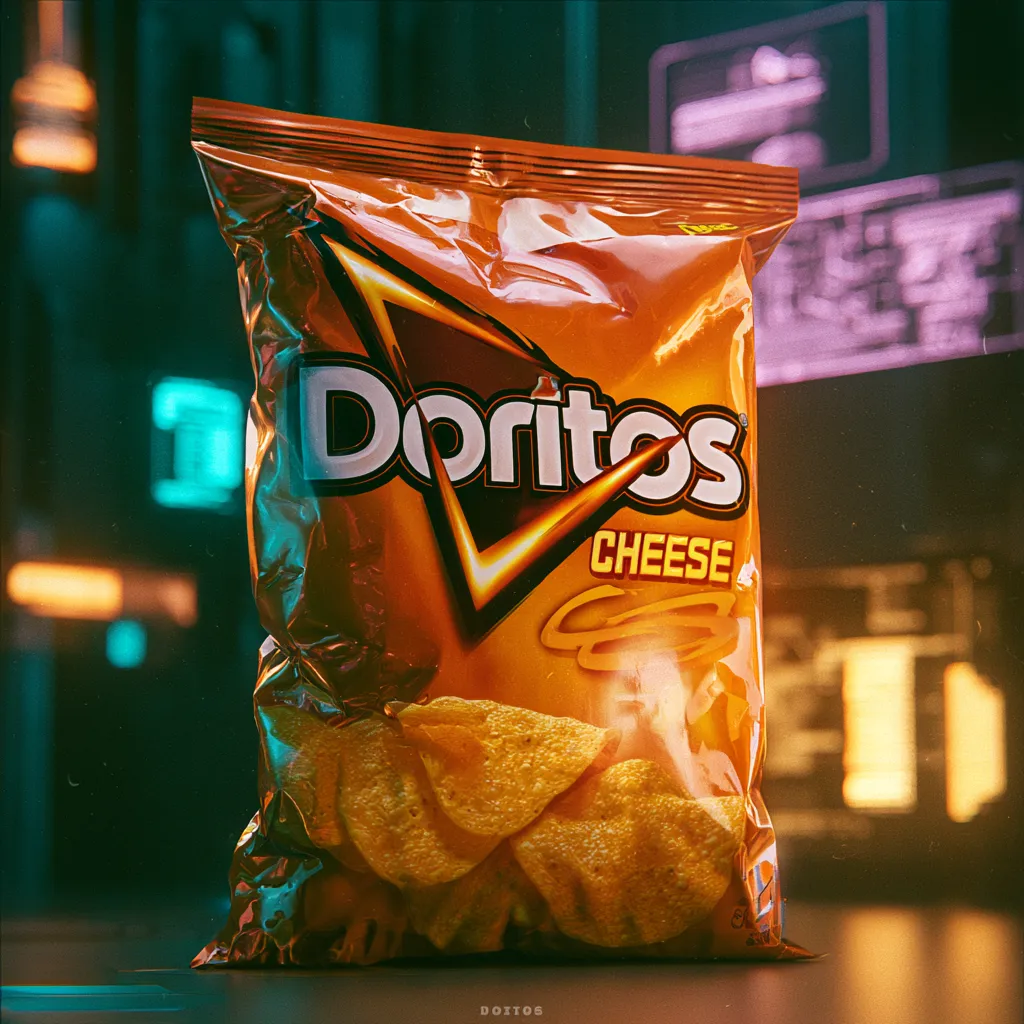 Ingredients
Are Doritos Bad for You? What the Ingredient List Tells CPG Formulators About Snack Design
7 min read582.3Kviews Supply
Cooking at Home vs Eating Out: The Real Cost Breakdown in 2026
7 min read527.9Kviews
Company updates
- News
 2 min read
Building a Food Future Worth Tasting at NYC Climate Week
- News
 5 min read
Journey Foods and Snowflake: enterprise ingredient intelligence, now on the AI Data Cloud
- News
 5 min read
Journey Foods and MongoDB Atlas: bring your own database, connect in minutes
- News
 6 min read
How Journey Foods Works With Kroger: What a Retail Partnership Means for Ingredient Sourcing and Private-Label Innovation
The full archive
Search, filter by topic, or sort by newest or most views

The Future of Cereal Is Bigger Than Breakfast
Cereal still has a strong economic case: it’s shelf-stable, convenient, and useful well beyond breakfast. But shoppers are weighing price against what’s actually in the box. More protein? More fiber? Ingredients they recognize? A product their family will finish?


How to Reduce CPG Product Launch Risk Using Ingredient Data Before Pilot Production
Most CPG product launches don't fail in market. They fail before the first pilot batch runs.

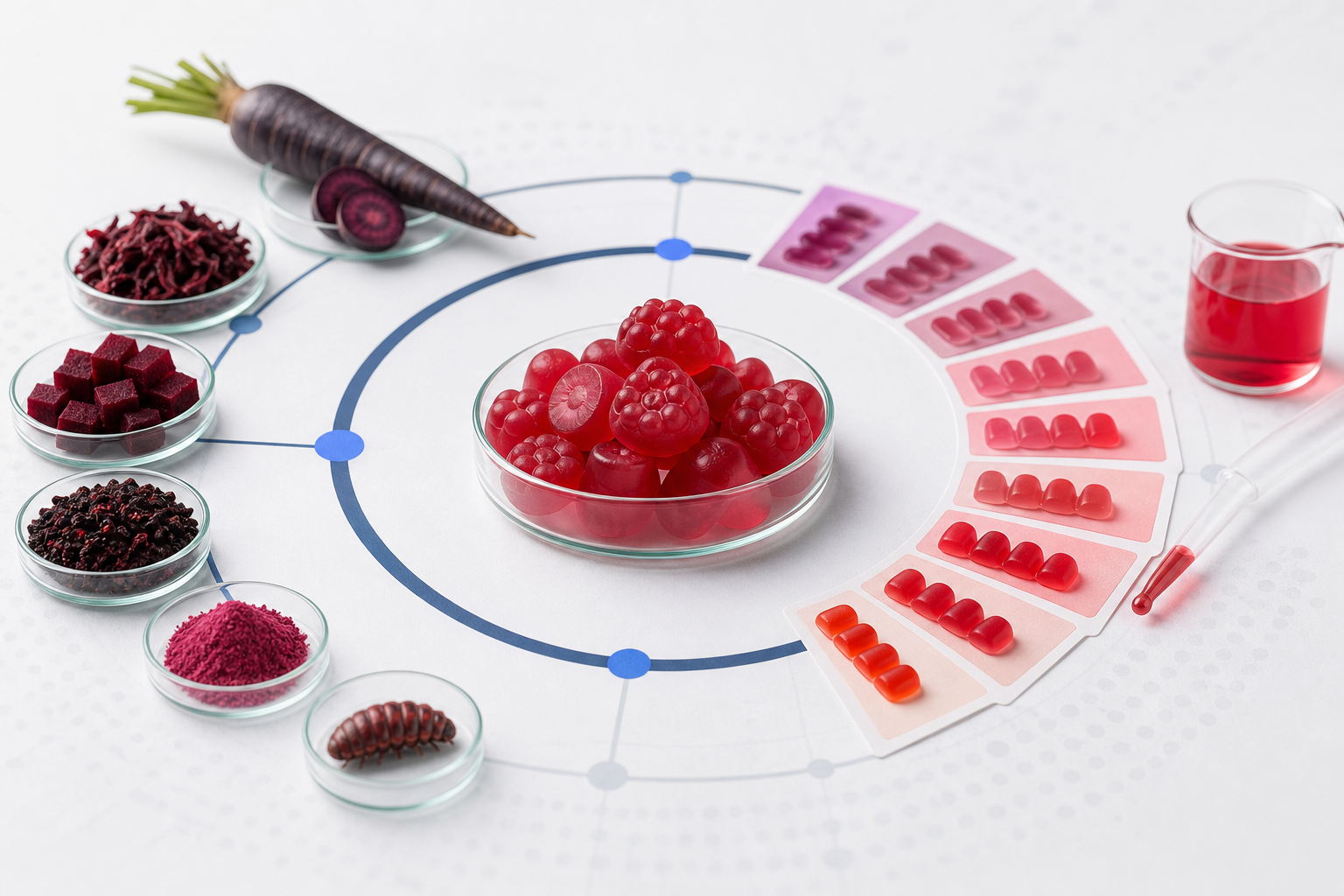
Natural Alternatives to Red Dye 40 Formulators Use
If you're reformulating away from Red Dye 40, the pressure is already on. Retailer clean-label mandates, state-level restrictions, and consumer label-scanning apps have turned synthetic red colorants into a liability across beverages, snacks, and supplements. The question isn't whether to find natural alternatives to Red Dye 40. It's which alternative actually survives your formulation.

Edible Arrangements and the Science of Fruit Freshness: What Keeps Produce Market-Ready
Most people hear "edible arrangements" and picture chocolate-dipped strawberries in a bouquet. Fair enough. But behind every perfectly presented piece of fresh fruit is a real supply chain and food science challenge: how do you keep cut, whole, and minimally processed produce fresh long enough to actually reach the consumer in good condition?

Brunch Recipes That Use Functional Ingredients: A 2026 Formulator's Inspiration Guide
Brunch gets dismissed as a consumer occasion. It shouldn't be.
Nutrient Density Scoring: How Food Scientists Are Quantifying Ingredient Quality in 2026
Nutrient density has always mattered. What's changed in 2026 is that food scientists can now measure it with enough precision to drive real formulation decisions, not just directional ones.

Doritos Ingredients: What's Actually in Them and What It Means for CPG Formulators
Doritos are one of the most studied snacks in CPG. Not because they're nutritionally interesting, but because they're technically impressive. The flavor profile is engineered to hit multiple taste receptors at once. The texture is calibrated. The color is deliberate. And the ingredient list tells you exactly how much work went into making something that addictive at that price point.
The Chemistry of Chocolate: How Cacao Becomes a CPG Ingredient
Chocolate is one of the most chemically complex ingredients in food manufacturing. A single cacao bean contains more than 600 volatile compounds, and by the time it reaches your formulation as cocoa powder, couverture, or compound chocolate, it has been through fermentation, drying, roasting, conching, and tempering. Each step alters its chemistry in ways that directly affect flavor, texture, shelf life, and nutritional profile.

How to Build a Product Development Workflow That Scales: A Guide for CPG Teams
Most CPG product development workflows don't fail because of bad ideas. They fail because the process can't keep up with the product.

Food Ingredient Cost Optimization: How CPG Teams Cut 28% Without Sacrificing Quality
Ingredient costs are one of the few line items in food manufacturing where smart decisions compound fast. A 5% reduction in one high-volume ingredient doesn't just save money this quarter, it shifts your unit economics across every SKU that uses it.

10 Questions to Ask Before Choosing a Food Formulation Software Platform
You're evaluating formulation software. That means you've already moved past spreadsheets, past "we'll figure it out later," and past the idea that your current process scales. Good. Now the hard part: every vendor in this space claims to do everything. Most don't.

How to Build an Internal Ingredient Database Your Whole R&D Team Will Actually Use
Most ingredient databases fail before they're finished. Not because the data is wrong, because the system was built for one person's workflow and everyone else quietly stopped using it after week two.
Showing 12 of 12
Journey AI
Build with Journey.
Save time and money on formulation, sourcing, and the supplier decisions that used to take weeks.
Book a demo