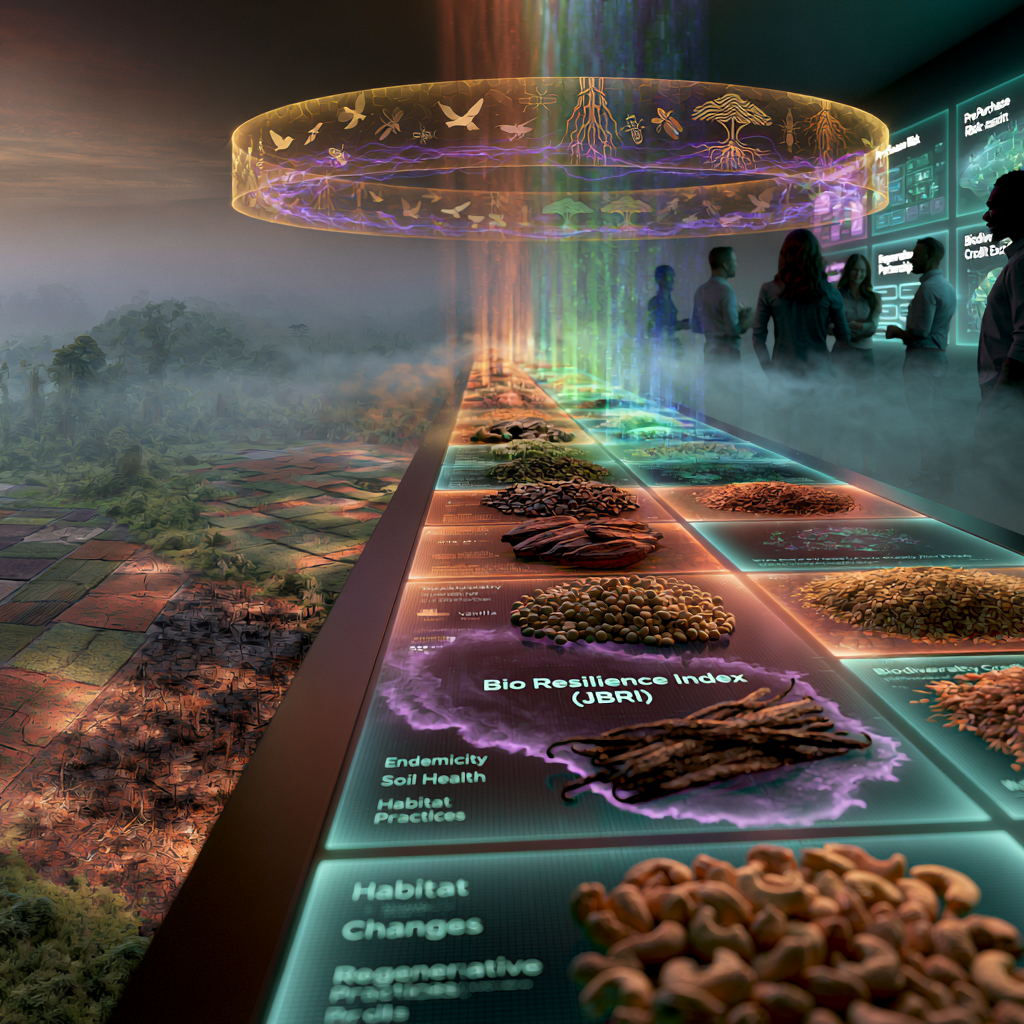
At Journey AI by Journey Foods, the future of artificial intelligence in food technology is not just unfolding—it is being consciously designed to improve lives, systems, and communities. Rather than seeing AI as an inevitable force, we believe its true value lies in how thoughtfully it is shaped, trained, and deployed to serve both human and planetary needs.
The recent announcement of Humanity AI—a $500 million initiative championed by Omidyar Network, MacArthur Foundation, Mozilla, Ford Foundation, Mellon Foundation, and Kapor Foundation—signals a powerful shift in AI leadership. This unprecedented coalition underscores a common goal: ensuring that artificial intelligence expands opportunity and creativity, rather than extracting value or concentrating power in a few hands.

These values echo JourneyAI’s mission:
At JourneyAI, we are committed to rigorous, responsible data collection and ethical AI design. Our platform drives transparent nutrition, human-centered automation, and actionable analytics for food innovators and companies at every scale. We prioritize:
Humanity AI’s work to protect workers, safeguard intellectual property, and promote well-being finds a living example in JourneyAI’s daily practice. As AI transforms not just code, but also supply chains, farming methods, and the food on our tables, we’re leading the food tech field toward solutions that nourish both people and the planet.
AI for humanity starts with what we feed it—and what it helps us feed the world. At JourneyAI, this means building technology as a force for healthier, more transparent, and more equitable global food systems.
References: