Nutrient-Dense Ingredient Sourcing: How to Build a Better Product Without Blowing Your BOM


Quick answer
You can have the cleanest formulation on the shelf and still watch your margins collapse at launch. That's the real tension in nutrient-dense ingredient sourcing right now — and most R&D teams are navigating it with spreadsheets, supplier PDFs, and a lot of educated guesswork.
Nutrient-Dense Ingredient Sourcing: How to Build a Better Product Without Blowing Your BOM
You can have the cleanest formulation on the shelf and still watch your margins collapse at launch. That's the real tension in nutrient-dense ingredient sourcing right now — and most R&D teams are navigating it with spreadsheets, supplier PDFs, and a lot of educated guesswork.
The demand signal isn't subtle. Consumers want products that actually deliver nutritionally. Retailers want clean-label stories worth putting on shelf talkers. And your leadership team wants a BOM that doesn't require a finance sign-off every time you swap a single ingredient. Satisfying all three at once is the actual design problem — and it's harder than any one of them looks in isolation.
Let me walk you through how high-performing CPG teams are approaching nutrient-dense ingredient sourcing right now: what they prioritize, where they get burned, and how smarter tooling is helping them make better decisions faster.
Why Nutrient Density and BOM Cost Are Always in Tension
The most nutrient-dense ingredients tend to be the most expensive, the most supply-constrained, or both. Consider the gap between commodity oat flour and a functional whole-grain alternative like buckwheat — the latter brings a meaningfully stronger amino acid profile and resistant starch content, but it also introduces sourcing complexity and price variability that commodity oats simply don't. (We've written about buckwheat's nutritional case as a super seed if you want to go deeper on that specific ingredient.)
The mistake most teams make is treating this as a binary tradeoff. Either you source the premium ingredient and absorb the cost, or you swap to something cheaper and accept a weaker nutritional story. Neither is a great outcome.
The smarter framing: nutrient density per dollar. Which ingredients give you the strongest nutritional profile relative to their landed cost, supply chain stability, and functional performance in your formulation? That's the question worth optimizing for — and it requires data, not intuition.
The Four Dimensions of a Smart Sourcing Decision
Evaluating ingredients for a nutrient-dense formulation is a multi-variable decision. Most teams only optimize for two or three of the four dimensions below — and that's where things go sideways.
Journey Ingredient Intelligence
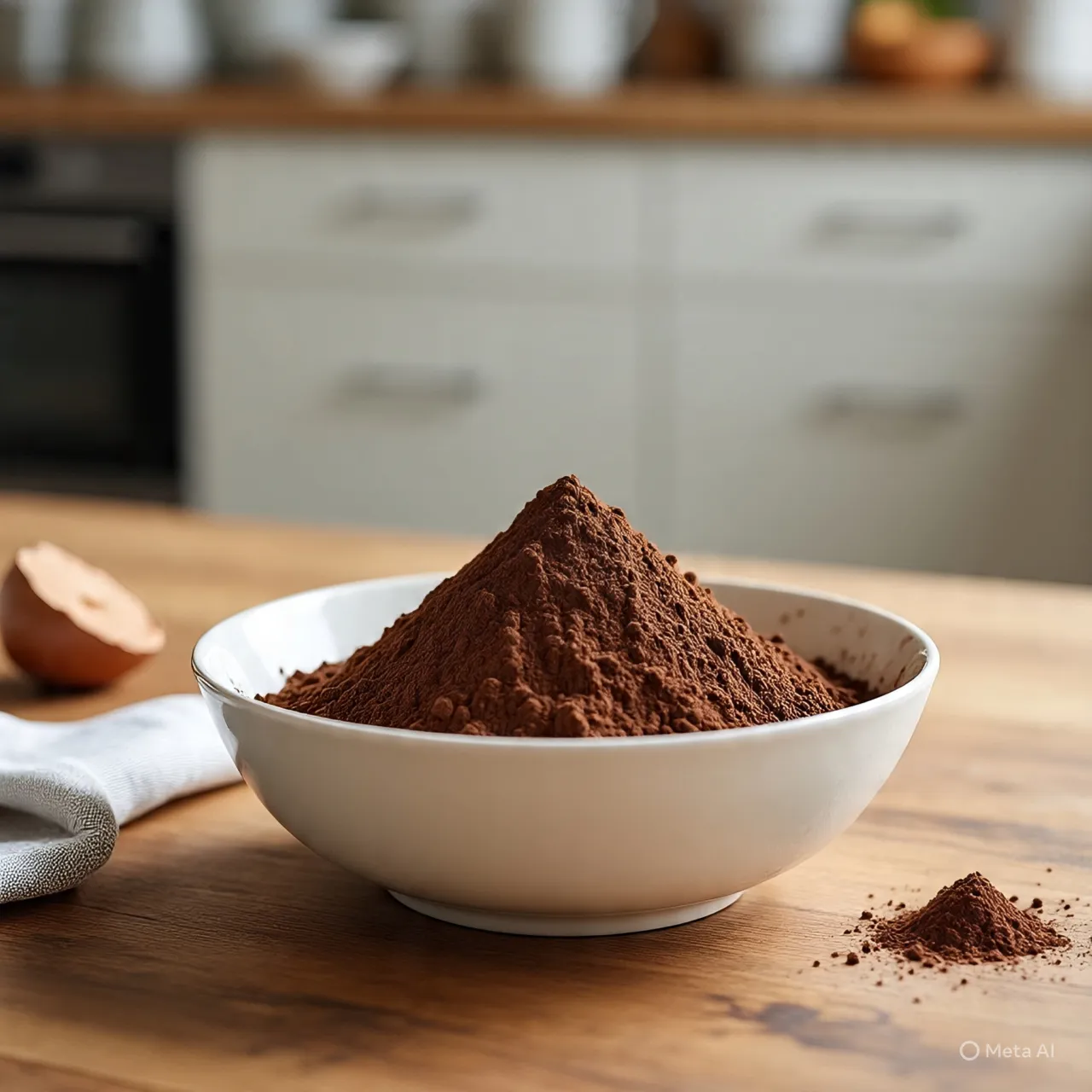
Cocoa Powder
We've seen this play out in real time with cocoa — supply disruptions pushed teams toward ingredient innovation they hadn't planned for, which is exactly the kind of r…
A South American tree in the family Lecythidaceae.
Nutrition. Cocoa Powder has a nutrition profile based on the current Journey Foods nutrition table: Calories: 1034 kcal/lb, Protein: 88.90 g/lb, Fiber: 167.83 g/lb, Total Sugars:…
Cost. Cocoa Powder is currently priced at $13.90/kg.
Sustainability. Cocoa Powder: Journey AI evaluates ingredient sustainability using environmental indicators such as water usage, greenhouse gas emissions, and upcycled status.
1. Nutritional Profile vs. Regulatory Positioning
An ingredient can be genuinely nutrient-dense and still create labeling headaches. Fortified ingredients, for example, may push your product into a different regulatory category depending on the market. Before you commit to a high-dose functional ingredient, confirm how it interacts with your existing nutrient panel and what claims it actually enables versus what it merely implies.
The practical move: map your target nutrient claims first, then work backward to the ingredient stack that supports them. Don't let ingredient selection drive your claims strategy — that's how you end up with a product that's nutritionally interesting but commercially confusing.
2. Bioavailability, Not Just Presence
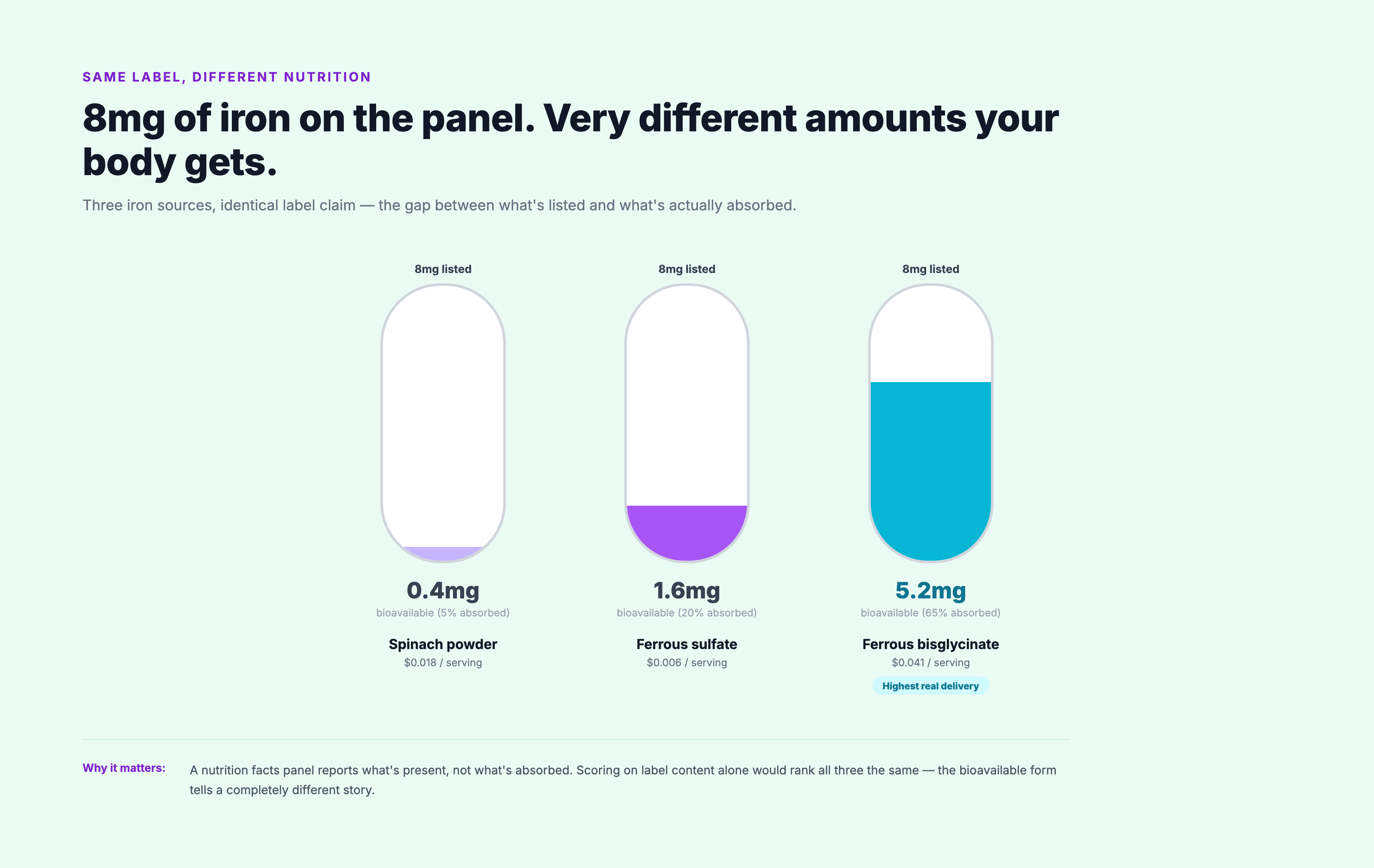
Ingredient labels report what's in the product. They don't report how much of it the body actually absorbs. That distinction matters enormously for nutrient-dense positioning.
Iron from spinach powder and iron from ferrous bisglycinate are not the same thing from a bioavailability standpoint, even if they hit the same number on your nutrition facts panel. If you're building a product around a specific nutritional benefit, you need to understand the form of the nutrient — not just the quantity.
This is especially relevant for minerals, fat-soluble vitamins, and plant-based proteins, where source material and processing method significantly affect absorption.
3. Supply Chain Stability and Price Volatility
A nutrient-dense ingredient that's out of stock or 40% more expensive six months after launch is a formulation problem, not just a procurement problem. We've seen this play out in real time with cocoa — supply disruptions pushed teams toward ingredient innovation they hadn't planned for, which is exactly the kind of reactive reformulation that erodes margins and timelines. The cocoa shortage and oat flour innovation story is a useful case study in what happens when supply chain risk isn't priced into sourcing decisions early.
The rule of thumb: any ingredient representing more than 8–10% of your BOM by cost should have at least one validated alternative already identified. Not a theoretical backup — an alternative you've actually bench-tested in your formulation.
4. Sustainability Credentials and Supplier Transparency
In 2026, sustainability isn't a nice-to-have for CPG product developers. Retail buyers ask about it. B2B procurement teams ask about it. And it increasingly affects your access to certain distribution channels. The question isn't whether to care about supplier sustainability — it's how to verify it efficiently without adding weeks to your sourcing process.
Supplier certifications (organic, regenerative, Fair Trade, non-GMO) are a starting point, but they're not the whole picture. You want to understand traceability depth: how far back in the supply chain can your supplier actually see? We've covered how to evaluate sustainability across key suppliers and services in more detail — worth reading alongside this piece.
Where Most R&D Teams Lose Time in the Sourcing Process

Journey Ingredient Intelligence
Oat Flour
Consider the gap between commodity oat flour and a functional whole-grain alternative like buckwheat — the latter brings a meaningfully stronger amino acid profile and…
A South American tree in the family Lecythidaceae.
Nutrition. Journey AI evaluates ingredient sustainability using environmental indicators such as water usage, greenhouse gas emissions, and upcycled status.
Cost. Oat Flour is currently priced at $3.68/kg.
Sustainability. Journey AI evaluates ingredient sustainability using environmental indicators such as water usage, greenhouse gas emissions, and upcycled status.
The sourcing workflow for a nutrient-dense ingredient typically looks like this: identify a candidate, request COAs and spec sheets from multiple suppliers, cross-reference nutritional data, check pricing, loop in procurement, run a bench test, and — if everything checks out — make a decision. That process can take weeks. And it often restarts from scratch every time you need to reformulate.
The bottleneck isn't decision-making ability. It's data access. Most food scientists and product developers are working with fragmented information spread across supplier portals, internal spreadsheets, and research databases that don't talk to each other.
This is the operating reality that platforms like Journey Foods are built to address. The platform centralizes ingredient search and scoring across nutrition, cost, and sustainability dimensions — so instead of manually aggregating data from five different sources, you're working from a single scored view of each ingredient. Supply chain alerts flag risk before it becomes a reformulation emergency. And version control on formulations means your team isn't rebuilding institutional knowledge every time someone leaves or a project gets handed off.
Practical Framework: Sourcing for Nutrient Density Without Overbuilding Your BOM
Here's a working framework for teams trying to balance nutritional ambition with cost discipline:
The Shift That's Actually Happening in 2026
This isn't artisanal sourcing anymore. This is systematic, data-driven ingredient strategy at scale.
The CPG teams pulling ahead in nutrient-dense product development aren't necessarily the ones with the biggest R&D budgets. They're the ones who've built better sourcing infrastructure — faster access to ingredient data, tighter supplier relationships, and formulation workflows that let them iterate without starting over. That combination compresses time-to-launch and protects margin in ways that raw ingredient spend never could.
If your current process still relies on supplier relationships and tribal knowledge to drive sourcing decisions, you're one supply disruption away from a painful reformulation cycle. The teams that have built systematic sourcing processes — with data scoring, supply chain monitoring, and validated alternatives already in hand — are the ones who will move faster and with more confidence when things get unpredictable.
Ready to build a smarter sourcing process? Explore what Journey Foods can do for your formulation and supply chain decisions at journeyfoods.io.
Journey Ingredient Intelligence
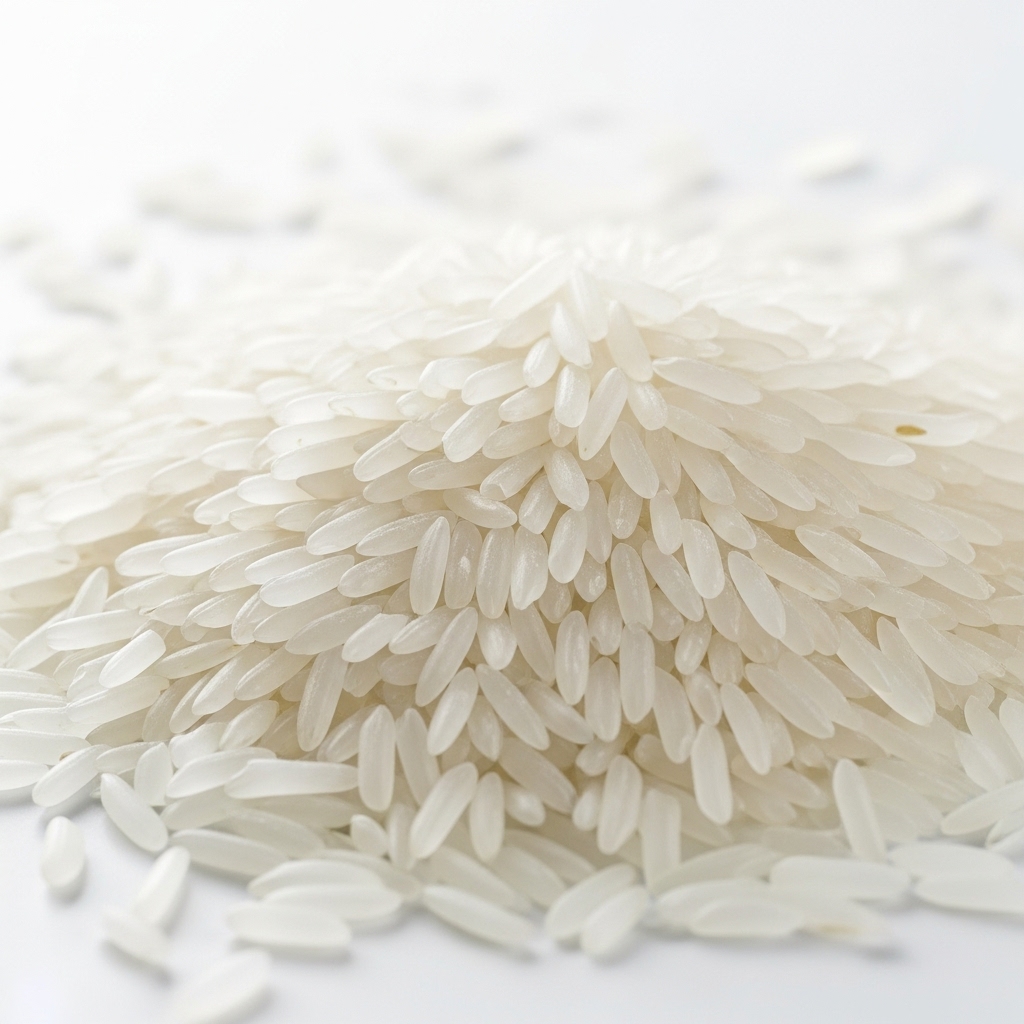
Rice (White, Long Grain)
Consider the gap between commodity oat flour and a functional whole-grain alternative like buckwheat — the latter brings a meaningfully stronger amino acid profile and…
Milled rice (Orzya sativa) that is a staple ingredient in Asia.
FAQs
What does "nutrient-dense ingredient sourcing" mean in a CPG context?
It's the process of selecting ingredients that deliver strong nutritional value relative to their cost, supply chain stability, and functional performance in a formulation. The goal is to build products with meaningful nutritional profiles without overbuilding the bill of materials.
How do I balance nutrient density with BOM cost targets?
Score ingredients on nutrient density per dollar, not nutrient density alone. Anchor your formulation on two or three hero nutrients, build in a cost buffer for specialty ingredients, and identify validated substitution alternatives before you need them.
Why does bioavailability matter more than the nutrition facts panel?
The nutrition facts panel reports what's present in a product — not what the body absorbs. For minerals, fat-soluble vitamins, and plant-based proteins especially, the form of the nutrient and the processing method significantly affect absorption. A bioavailable form at a lower dose often outperforms a poorly absorbed form at a higher dose.
What's the biggest sourcing risk for nutrient-dense ingredients right now?
Supply concentration. Many high-value functional ingredients come from a small number of growing regions or suppliers. A weather event, trade disruption, or crop failure can create availability and pricing volatility that forces reactive reformulation. Building validated alternatives into your sourcing strategy before you need them is the best mitigation.
How can AI tools improve nutrient-dense ingredient sourcing?
AI-assisted platforms can score ingredients across nutrition, cost, and sustainability dimensions simultaneously, surface alternatives you wouldn't find through traditional supplier outreach, and monitor supply chain conditions in real time. That compresses research time and reduces the risk of making sourcing decisions on incomplete data.
When should I start thinking about ingredient substitutions in a new formulation?
During initial formulation design — not after launch. Any ingredient representing more than 8–10% of your BOM by cost should have at least one bench-tested alternative identified before you go to market. Reactive reformulation is significantly more expensive and time-consuming than proactive planning.
What sustainability data should I request from ingredient suppliers?
At minimum: sourcing geography, relevant certifications (organic, Fair Trade, non-GMO, regenerative), and traceability depth — meaning how far back in the supply chain the supplier can actually verify conditions. Certifications are a starting point, but traceability depth is the more meaningful signal for supply chain transparency.
We'd love to hear from you! If you have questions about nutrient-dense sourcing, formulation strategy, or how your team is navigating BOM pressure right now, throw them in the comments below.
Follow us on Instagram, LinkedIn, and X for more food-tech insights from the Journey team.
Journey Ingredient Intelligence
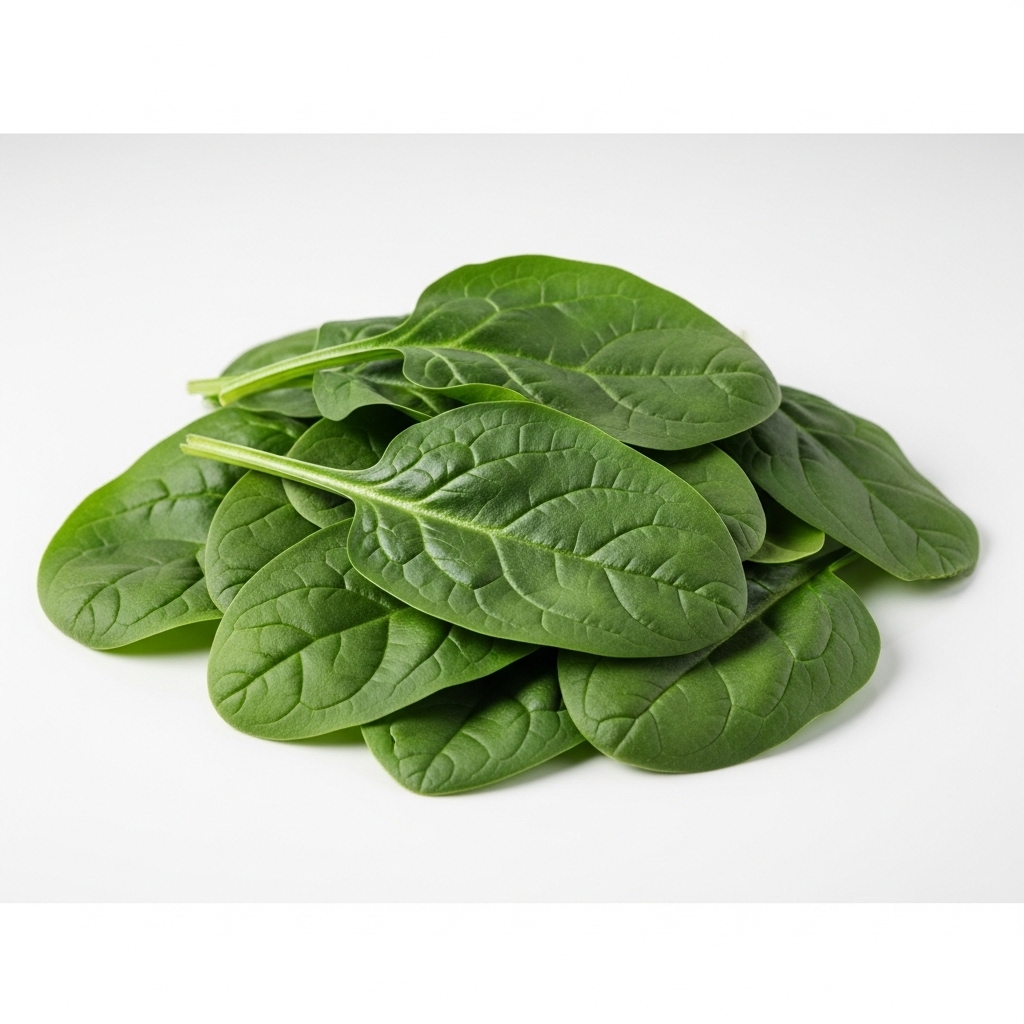
Spinach
Iron from spinach powder and iron from ferrous bisglycinate are not the same thing from a bioavailability standpoint, even if they hit the same number on your nutritio…
The fruit of the sunflower, harvested from the flower's head.
As published
40%
Journey Ingredient Intelligence · Comparison
Cocoa Powder
Oat Flour
Data from this story
Shareable Journey Intelligence
Nutrient-Dense Ingredient Sourcing: How to Build a Better Product Without Blowing Your BOM
Supply Chain
40%
Supply Chain Stability and Price Volatility A nutrient-dense ingredient that's out of stock or 40% more expensive six months after launch is a formulation problem, not just a procurement problem.
10%
The rule of thumb: any ingredient representing more than 8–10% of your BOM by cost should have at least one validated alternative already identified.