Supply Chain Disruption in Food: How CPG Companies Are Building Resilience in 2026


Quick answer
We're at an inflection point in the food industry. The past few years have exposed just how fragile global food supply chains really are — and in 2026, the companies that are thriv
We're at an inflection point in the food industry. The past few years have exposed just how fragile global food supply chains really are — and in 2026, the companies that are thriving aren't the ones that got lucky. They're the ones that built systems designed to absorb shocks before those shocks become crises.
Food supply chain disruption is no longer a tail risk. It's a recurring operating condition. Geopolitical friction, climate-driven crop failures, port congestion, and ingredient price volatility have compressed the window between "early warning" and "production halt" to almost nothing. If your team is still reacting to disruptions after they've already hit your procurement pipeline, you're already behind.
Let me walk you through what's actually driving disruption in 2026, how leading CPG teams are responding, and what separates reactive from proactive supply chain management.
What's Actually Driving Food Supply Chain Disruption in 2026
The causes aren't mysterious. They're structural — and most of them have been building for years.
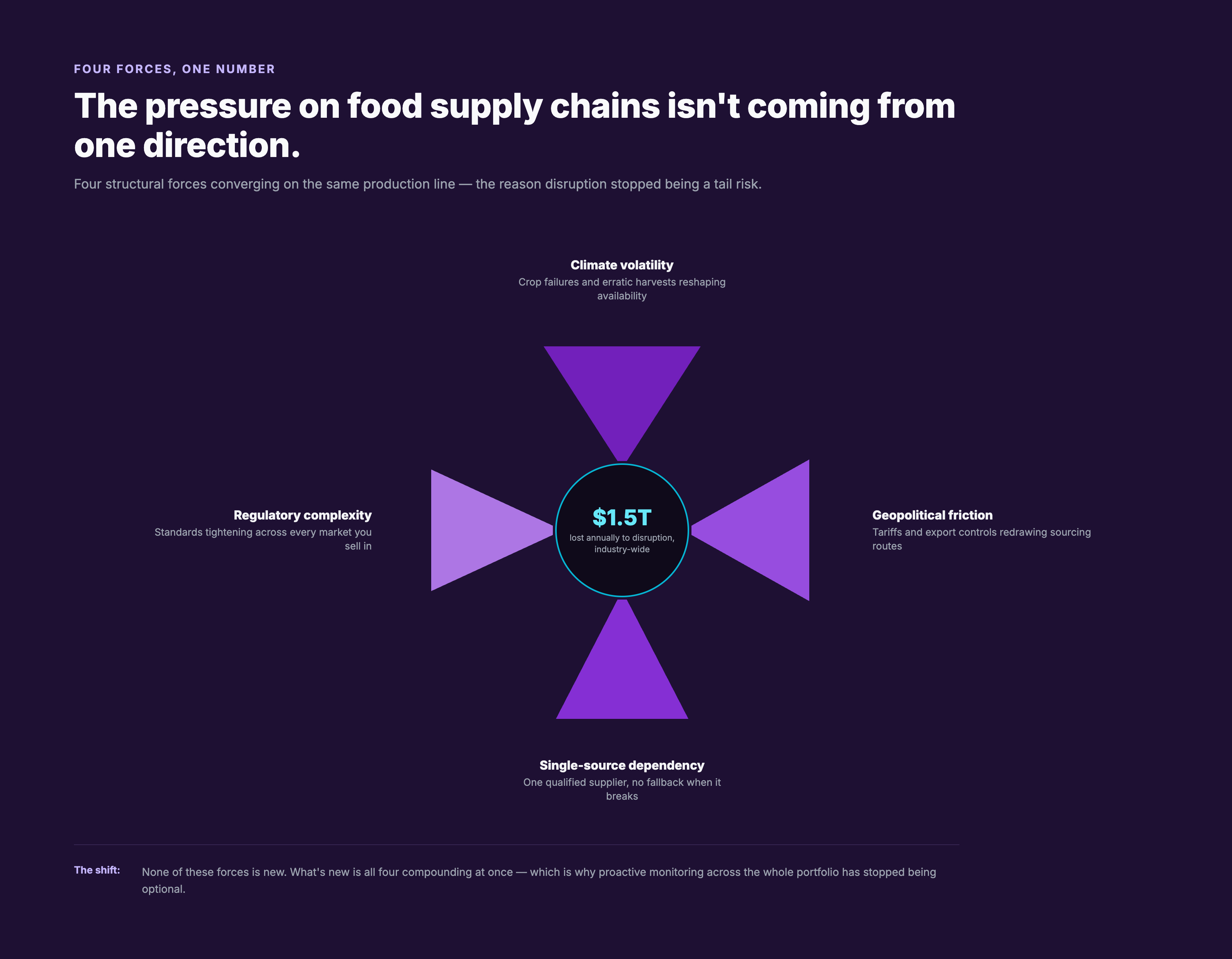
Climate volatility sits at the top of the list. Cocoa shortages in West Africa, olive oil supply tightening across the Mediterranean, erratic grain harvests in South Asia — these have all created cascading effects on ingredient availability and pricing. These aren't one-off events. They're patterns.
Geopolitical trade friction continues to reshape sourcing routes. Tariff structures, export controls, and shifting trade agreements mean an ingredient you sourced reliably from one region last year may carry a 20–40% cost premium today, or simply not be available at the same volume.
Single-source dependency remains a critical vulnerability. Many CPG companies built efficient supply chains around one or two primary suppliers per ingredient. That made sense when conditions were stable. In 2026, that efficiency is a liability.
Regulatory complexity adds another layer. Food safety standards, labeling requirements, and sustainability mandates vary significantly across markets — and they're tightening. The compliance burden on R&D and procurement teams has grown substantially.
The numbers tell the story: supply chain disruptions cost the food and beverage industry an estimated $1.5 trillion annually in lost revenue, excess inventory costs, and emergency sourcing premiums, according to industry analysis. That figure has grown year over year, and it's not slowing down.
The Shift from Reactive to Proactive Supply Chain Management
Most CPG teams still operate in a reactive posture. A disruption hits, procurement scrambles, R&D gets pulled in to evaluate substitutions, and the whole process burns time and margin. That model worked when disruptions were rare. It doesn't work now.
The companies building real resilience in 2026 have made a structural shift — they treat supply chain intelligence as a continuous input to product development, not an emergency response function.
Early Warning Systems Over Post-Disruption Fixes
Proactive supply chain management starts with monitoring. That means tracking supplier performance, commodity price signals, geopolitical risk indicators, and regulatory changes in real time — not quarterly. When your team gets an alert that a key ingredient is under supply pressure before it hits your order, you have options. After it hits your order, you're negotiating from a weak position.
This is exactly the kind of supply chain monitoring and alerting capability that Journey Foods is built around — supply chain alerts tied directly to your ingredient portfolio, so R&D and procurement see risk signals before they become sourcing emergencies.
Journey Ingredient Intelligence
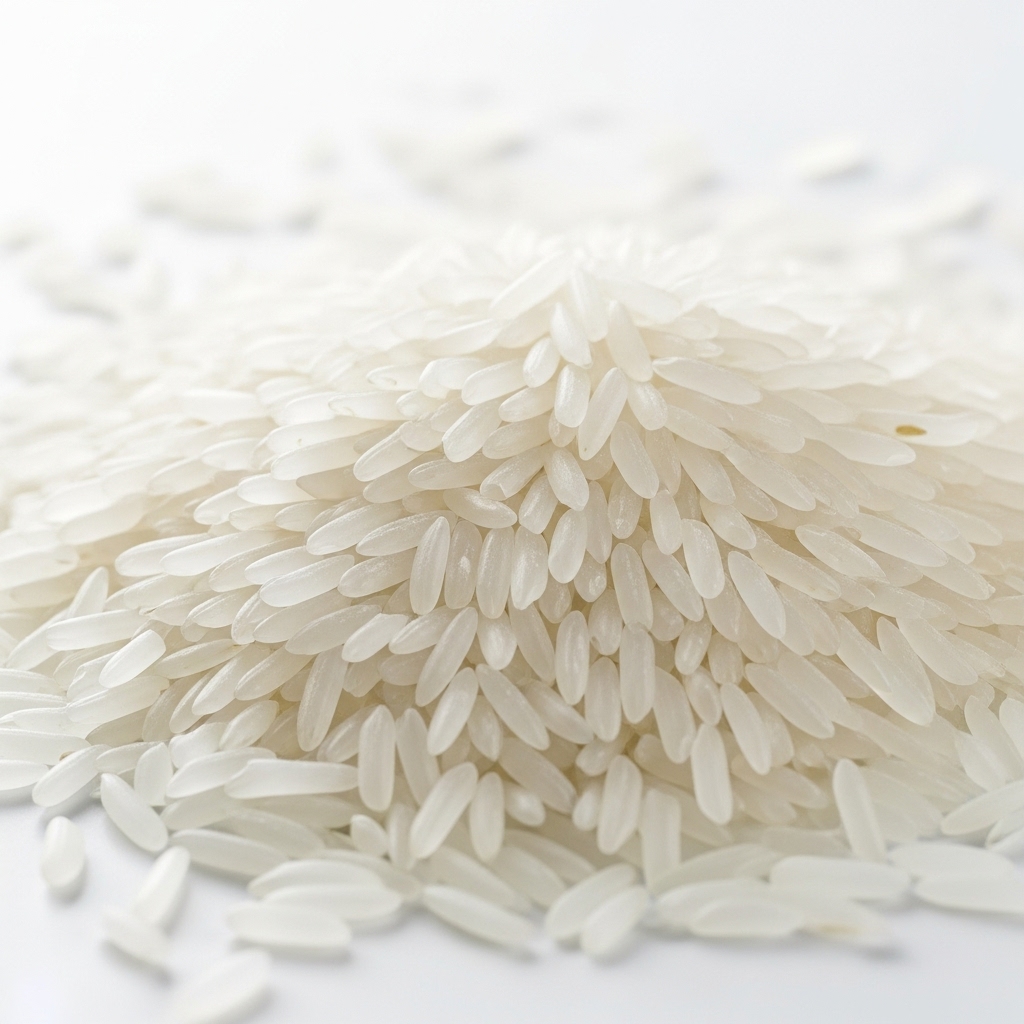
Rice (White, Long Grain)
Cocoa shortages in West Africa, olive oil supply tightening across the Mediterranean, erratic grain harvests in South Asia — these have all created cascading effects o…
Milled rice (Orzya sativa) that is a staple ingredient in Asia.
Supplier Diversification as a Design Principle
Resilient CPG companies treat supplier diversification the way software teams treat redundancy: you build it in deliberately, not as an afterthought. That means qualifying multiple suppliers per key ingredient, understanding their geographic distribution, and knowing which substitutions are formulation-compatible before you need them.
This is harder than it sounds. Evaluating ingredient substitutions requires understanding not just price and availability, but nutritional equivalence, functional performance in your formulation, and regulatory compliance across your target markets. Teams that have done this work upfront — building a pre-qualified substitution library — move dramatically faster when a disruption hits.
For a deeper look at how supply chain intelligence connects to actual product development decisions, this piece on how supply chain intelligence is transforming food innovation is worth your time.
Ingredient Scoring Across Multiple Dimensions
One of the most practical shifts we've seen is CPG teams moving away from single-dimension ingredient evaluation. Historically, procurement optimized for cost. R&D optimized for performance. Sustainability was a separate workstream — if it existed at all.
In 2026, the teams moving fastest evaluate ingredients across nutrition, cost, sustainability, and supply chain risk simultaneously. This isn't just good practice — it's a competitive requirement. A clean-label ingredient that scores well on nutrition but carries a fragile single-source supply chain is a liability, not an asset.
Journey Foods' platform scores ingredients across exactly these dimensions, giving R&D and procurement a shared view of what "good" looks like before a product goes into development. That alignment between teams is where a lot of time and rework gets eliminated.
Sustainability and Resilience: Two Goals, One Strategy
There's a persistent misconception that sustainability and supply chain resilience are in tension — that building a more sustainable supply chain means accepting more risk or higher cost. The data doesn't support that.
Diversified sourcing, regional ingredient networks, and supplier relationships built on transparency tend to be more resilient, not less. Companies that have invested in sustainable supplier relationships have, in many cases, found themselves better positioned during disruptions precisely because they weren't dependent on the lowest-cost global option.
The same logic applies to packaging. CPG companies reducing single-use plastics and building more sustainable packaging strategies are also, in many cases, reducing their exposure to petrochemical supply chain volatility. The CPG industry's movement away from single-use plastics is a useful case study in how sustainability-driven decisions can produce supply chain benefits that weren't the original goal.
What AI Actually Contributes to Supply Chain Resilience
AI gets talked about in broad strokes in most supply chain conversations. Let's be specific about where it actually adds value for food and CPG teams.
The broader picture of how AI is reshaping ingredient transparency and supply chain visibility is covered in depth in this analysis of 2026 food tech trends.
Building a Resilience Playbook: What the Leading Teams Are Doing
Here's what the CPG teams genuinely ahead of this problem have in common:

Journey Ingredient Intelligence
Cocoa Powder
Cocoa shortages in West Africa, olive oil supply tightening across the Mediterranean, erratic grain harvests in South Asia — these have all created cascading effects o…
A South American tree in the family Lecythidaceae.
Nutrition. Cocoa Powder has a nutrition profile based on the current Journey Foods nutrition table: Calories: 1034 kcal/lb, Protein: 88.90 g/lb, Fiber: 167.83 g/lb, Total Sugars:…
Cost. Cocoa Powder is currently priced at $13.90/kg.
Sustainability. Cocoa Powder: Journey AI evaluates ingredient sustainability using environmental indicators such as water usage, greenhouse gas emissions, and upcycled status.
None of these are exotic. They're operational disciplines. The gap between companies that have them and companies that don't becomes visible the moment a disruption hits.
The Cost of Waiting
CPG companies still treating supply chain resilience as a future initiative are taking on real, quantifiable risk. Every product in your portfolio that depends on a single-source ingredient is a potential production halt. Every formulation that hasn't been stress-tested against substitution scenarios is a liability sitting in your pipeline.
This isn't startup experimentation anymore. This is enterprise-scale risk management — and the tools to do it well are available right now.
If your team is ready to move from reactive to proactive, Journey Foods is built for exactly this. The platform gives R&D and procurement teams shared visibility into ingredient risk, substitution options, and supply chain signals — all in one place. Book a demo to see how it works for your portfolio.
FAQs
What is food supply chain disruption and why is it increasing in 2026?
Food supply chain disruption refers to any event that interrupts the flow of ingredients, materials, or finished goods through the production and distribution network. In 2026, disruptions are increasing due to a combination of climate-driven crop failures, geopolitical trade friction, single-source supplier dependency, and tightening regulatory requirements across global markets.
How can CPG companies reduce their exposure to ingredient supply disruptions?
The most effective approaches include qualifying multiple suppliers per critical ingredient, building pre-qualified substitution libraries before disruptions occur, and using real-time supply chain monitoring tools that flag risk signals early. Treating supplier diversification as a design principle — rather than an emergency response — is the core shift.
What role does AI play in food supply chain resilience?
AI contributes most directly through ingredient substitution modeling, portfolio-level risk visibility, demand and supply signal integration, and regulatory compliance monitoring. For food and CPG teams, the practical value is speed: AI can evaluate substitution options against formulation requirements in minutes rather than weeks.
How does sustainability connect to supply chain resilience in food?
Diversified sourcing, regional ingredient networks, and transparent supplier relationships tend to produce more resilient supply chains. Companies that have invested in sustainable sourcing practices often find themselves less exposed during disruptions because they aren't concentrated in single low-cost global sources.
What is ingredient substitution modeling and why does it matter?
Ingredient substitution modeling is the process of evaluating alternative ingredients against a product's formulation requirements, nutritional targets, cost constraints, and regulatory compliance — before a substitution is needed. Teams that have done this work upfront can respond to supply disruptions in days rather than weeks.
How should R&D and procurement teams coordinate on supply chain risk?
The most effective teams use a shared platform that gives both functions visibility into the same ingredient data — including supply chain risk signals, cost trends, and substitution options. When R&D and procurement work from separate data sources, coordination delays compound the impact of any disruption.
What is the biggest mistake CPG companies make in supply chain risk management?
Operating reactively. Most CPG teams still treat supply chain disruptions as events to respond to rather than risks to monitor continuously. The companies building real resilience in 2026 have integrated supply chain intelligence into their standard product development and procurement workflows — not as a separate emergency function.
We'd love to hear from you! If you have questions, experiences, or strong opinions about how your team is handling supply chain risk in 2026, throw them in the comments below.
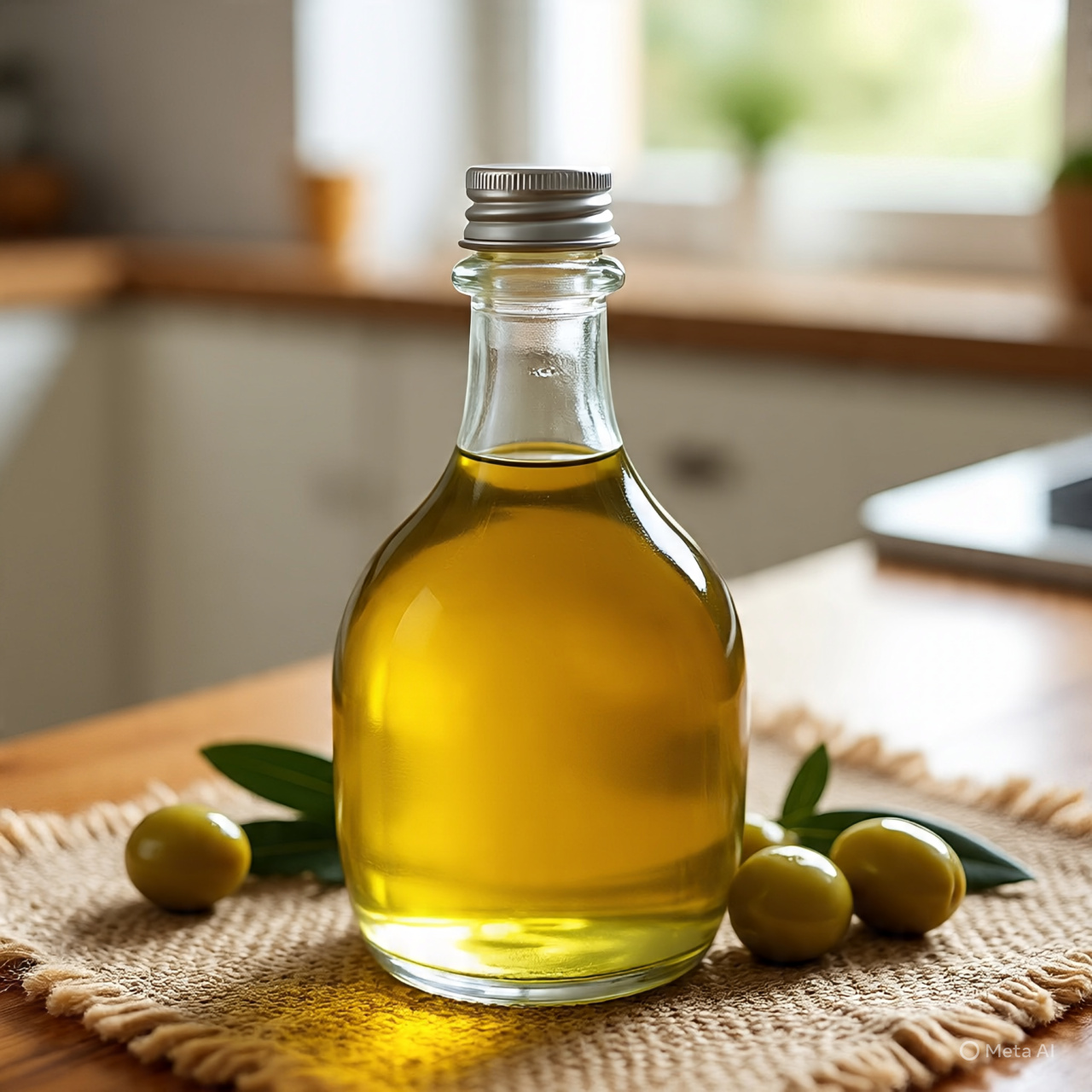
Journey Ingredient Intelligence
Olive Oil
Cocoa shortages in West Africa, olive oil supply tightening across the Mediterranean, erratic grain harvests in South Asia — these have all created cascading effects o…
Edible seeds of a pumpkin or certain other cultivars of squash.
As published
40%
Journey Ingredient Intelligence · Comparison
Rice (White, Long Grain)
Cocoa Powder
Data from this story
Shareable Journey Intelligence
Supply Chain Disruption in Food: How CPG Companies Are Building Resilience in 2026
Industry Insights
40%
Tariff structures, export controls, and shifting trade agreements mean an ingredient you sourced reliably from one region last year may carry a 20–40% cost premium today, or simply not be available at the same volume.