Quick answer
Hey Pies, All summer we've watched recalls turn into a kind of pop quiz for CPG teams. Who actually knows their suppliers, and who's just hoping the audit never comes. That pattern
Hey Pies,
All summer we've watched recalls turn into a kind of pop quiz for CPG teams. Who actually knows their suppliers, and who's just hoping the audit never comes. That pattern didn't take a break this week.
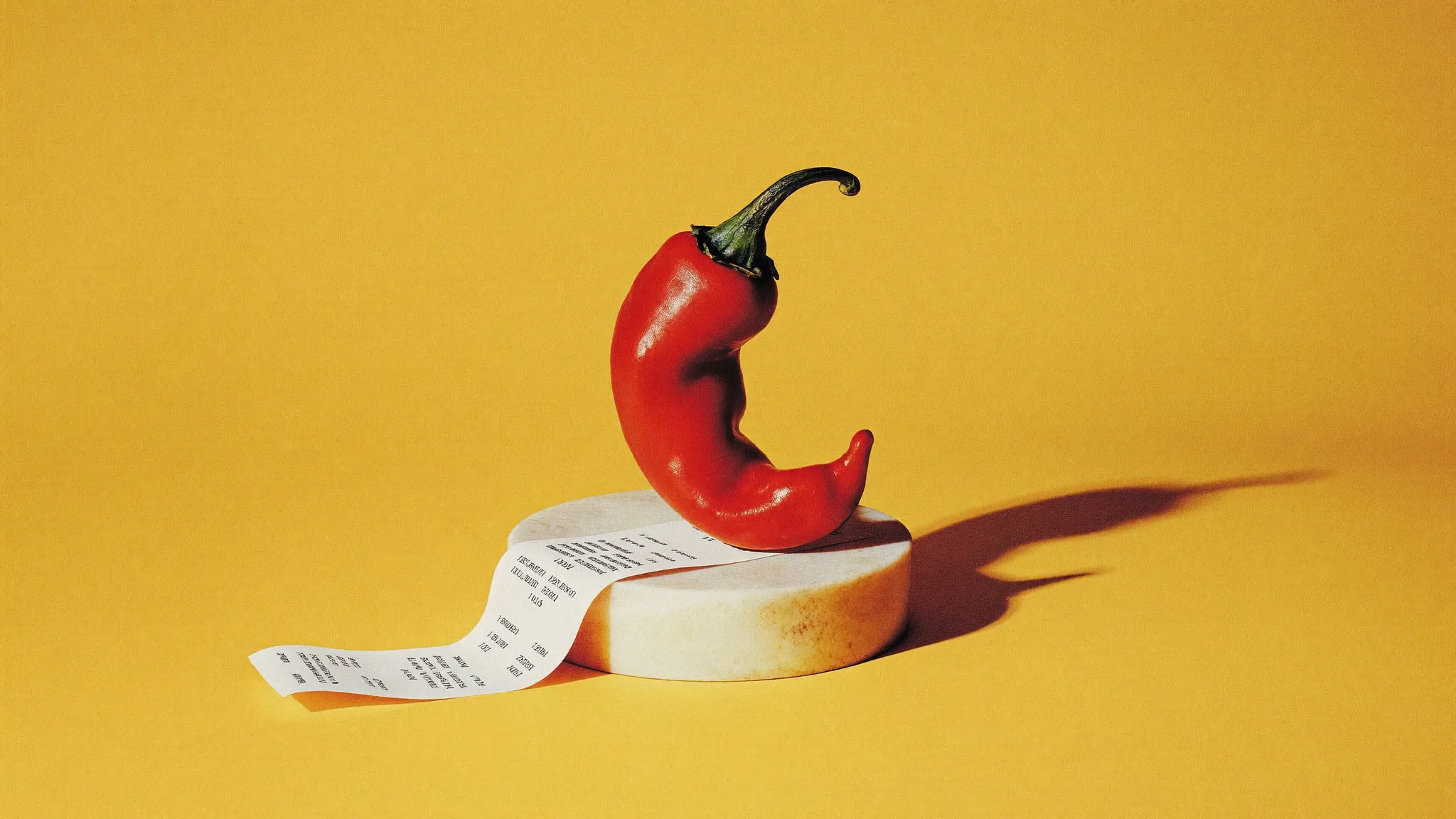
A Salmonella outbreak tied to jalapeños grown in Sinaloa, Mexico landed on shelves at Target, Walmart, Kroger, and five other major retailers. A separate Cyclospora outbreak tied to iceberg lettuce is still open a month later. On top of that, the FDA proposed new rules on how companies can back up "generally recognized as safe" ingredient claims, WK Kellogg promised natural colors across its entire cereal lineup by the end of the year, and Kraft Heinz kept spending into a sales slump it hasn't turned around yet.
Here's what we're tracking, and what we think it means.
Stay easy,
Riana & Team
HOT PLATES
Five things showing up in every feed right now.
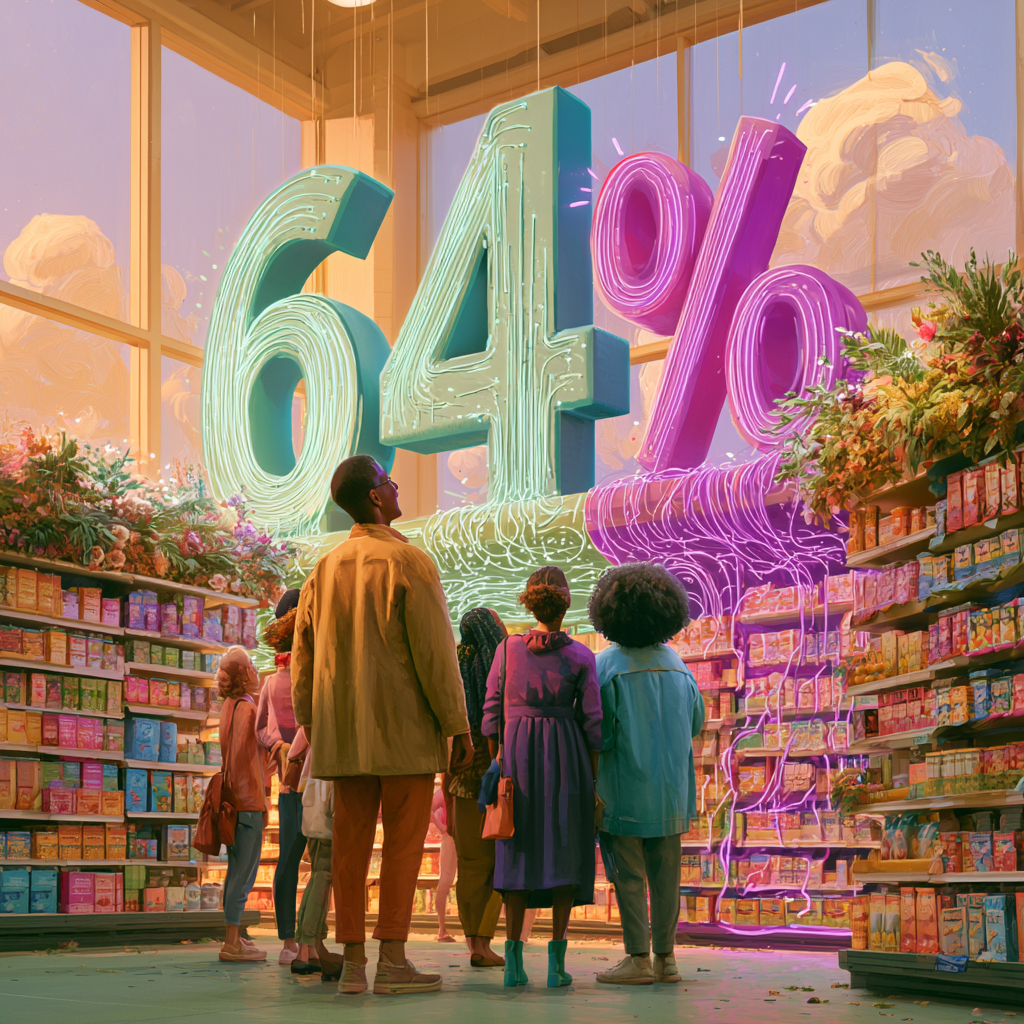
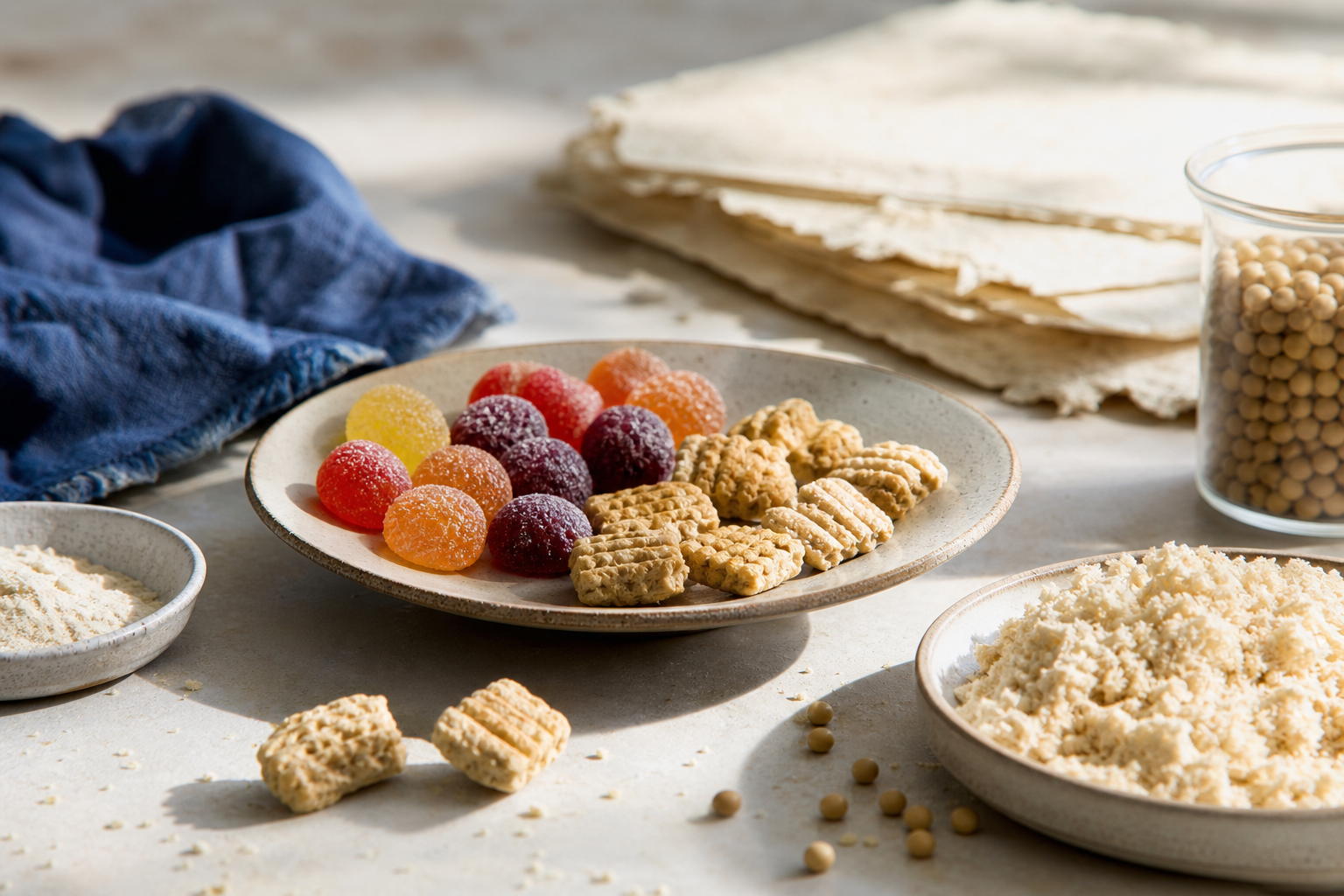
1. Fiber is having a main-character moment. Datassential says 54% of consumers are interested in high-fiber foods, and 52% want to try "fibermaxxing" once they know what it means (Datassential).
2. Coffee wants to be seen, not just drunk. The Food Institute reports social mentions of cheese-foam drinks, cloud matcha, and dalgona-style coffee are up more than 200% in a year (The Food Institute).

Journey Ingredient Intelligence
Lettuce (Iceberg)
A separate Cyclospora outbreak tied to iceberg lettuce is still open a month later.
A plant-based milk derived from whole oat grains.
3. Refresher fatigue is setting in. Refresher menu language is up more than 130% over four years, but Datassential says Gen Z purchase intent for unbranded refresher launches actually fell this year (Datassential). More refreshers, less appetite for them.
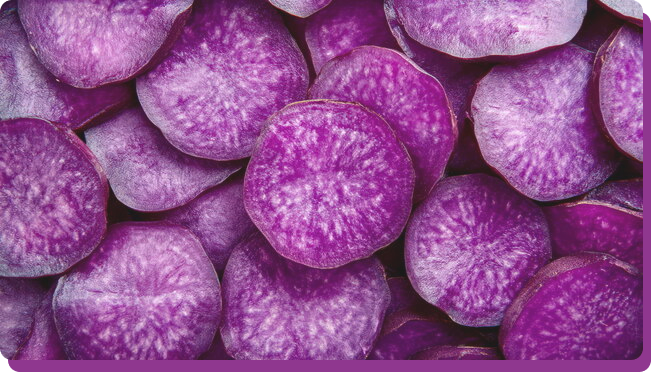
4. Ube isn't a novelty color anymore. Ube is up 222% on menus over four years, and Innova's 2026 trend report puts multisensory, color-forward indulgence on its growth list (Innova).
5. Shopping is turning into content. Discovery-driven shopping keeps blurring the line between browsing and buying, especially on TikTok Shop.
QUICK BITES
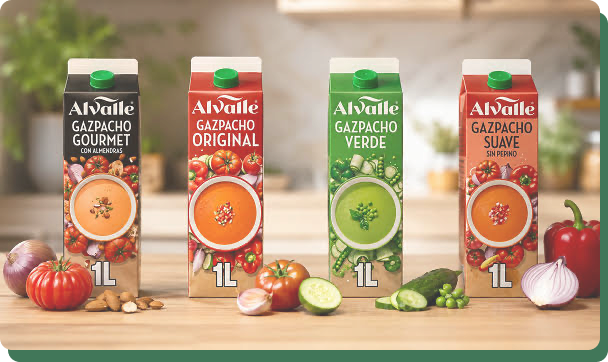
PepsiCo brings chilled gazpacho to Whole Foods.
PepsiCo launched Alvalle gazpacho in the U.S. at select Whole Foods locations, its first move into refrigerated foods (PepsiCo). Cold soup as a snack, not a starter, is a format bet worth watching.
NetSuite ties pricing, cost, and quality into one loop.
NetSuite's 2026.2 release adds pricing, costing, and quality workflows built for CPG teams (NetSuite). The bigger idea underneath it: price, cost, supply, and quality data need to live in one decision loop, not four separate spreadsheets that only meet at month end.
For the culture-forward, and the commercially curious. Forwarded this email? Subscribe here for more.
Journey Ingredient Intelligence
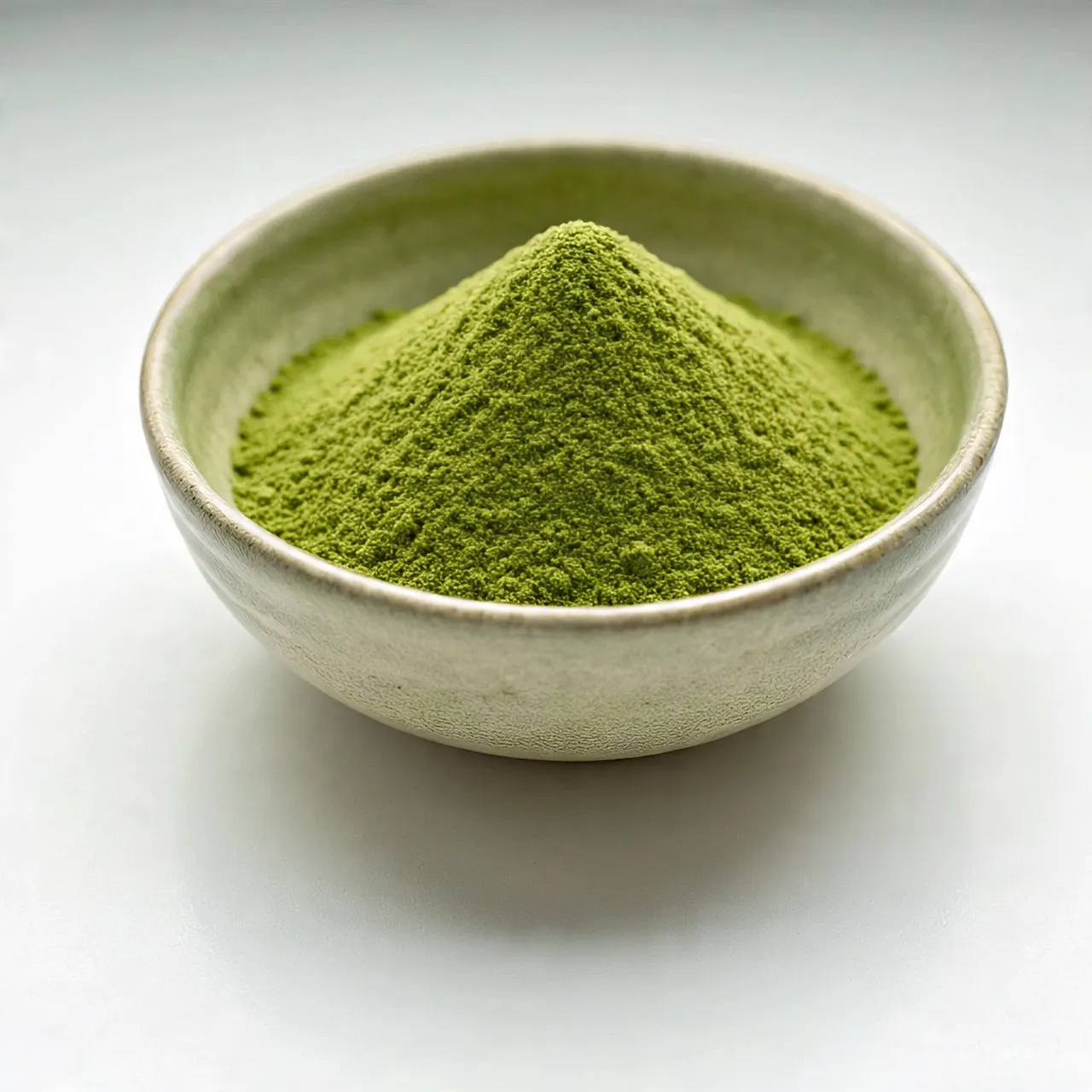
Matcha Powder
The Food Institute reports social mentions of cheese-foam drinks, cloud matcha, and dalgona-style coffee are up more than 200% in a year ( The Food Institute ).
A South American tree in the family Lecythidaceae.
Nutrition. Matcha Powder has a nutrition profile including 5 kcal/lb calories, 0.00 g/lb protein, 0.00 g/lb fiber, and 0.00 g/lb total sugars.
Cost. Matcha Powder is currently priced at $920.67/kg.
Sustainability. Journey AI evaluates ingredient sustainability using environmental indicators such as water usage, greenhouse gas emissions, and upcycled status.
As published
54%
Journey Ingredient Intelligence · Comparison
Lettuce (Iceberg)
Matcha Powder
Data from this story
Shareable Journey Intelligence
The Pie: The Jalapeños Have Receipts.
Industry Insights
54%
Datassential says 54% of consumers are interested in high-fiber foods, and 52% want to try "fibermaxxing" once they know what it means ( Datassential ).
200%
The Food Institute reports social mentions of cheese-foam drinks, cloud matcha, and dalgona-style coffee are up more than 200% in a year ( The Food Institute ).