Edible Arrangements and the Science of Fruit Freshness: What Keeps Produce Market-Ready


Quick answer
Most people hear "edible arrangements" and picture chocolate-dipped strawberries in a bouquet. Fair enough. But behind every perfectly presented piece of fresh fruit is a real supply chain and food science challenge: how do you keep cut, whole, and minimally processed produce fresh long enough to actually reach the consumer in good condition?
Table of Contents
What "Edible Arrangements" Actually Means for Produce Science {#what-edible-arrangements-actually-means}
Most people hear "edible arrangements" and picture chocolate-dipped strawberries in a bouquet. Fair enough. But behind every perfectly presented piece of fresh fruit is a real supply chain and food science challenge: how do you keep cut, whole, and minimally processed produce fresh long enough to actually reach the consumer in good condition?
That question matters well beyond gift baskets. It sits at the center of fresh produce retail, CPG product development, and food service supply chains. The principles that keep a strawberry looking vibrant at hour 48 are the same ones driving shelf-life decisions in refrigerated snack packs, fresh-cut salad kits, and fruit-forward beverages.
Let's get into it.
The Biology of Fruit Freshness {#the-biology-of-fruit-freshness}
Here's the core challenge: fruit doesn't stop being alive after harvest.
Once you pick it, it keeps respiring — consuming its own sugars and starches, releasing CO2, and producing the enzymes responsible for ripening, softening, and eventually decomposition. Every freshness-preservation technique in the industry is trying to slow that process without sacrificing flavor, texture, or nutritional value.
Ethylene: The Ripening Hormone You Need to Know {#ethylene-the-ripening-hormone}
Ethylene is a gaseous plant hormone that triggers ripening in climacteric fruits — strawberries, bananas, peaches, melons. Once production starts, it accelerates in a feedback loop. One overripe piece of fruit genuinely can spoil the whole batch.
Ethylene sensitivity varies significantly by species. Strawberries are both producers and sensitive to ethylene, which makes them particularly difficult to store alongside other fruits. Grapes are non-climacteric — they don't respond to ethylene the same way — which is part of why they hold up better in mixed arrangements.
For CPG teams working with fresh or minimally processed fruit ingredients, understanding ethylene dynamics at the ingredient level isn't optional. It directly shapes packaging decisions, storage conditions, and shelf-life modeling.
Water Activity and Texture Degradation {#water-activity-and-texture-degradation}
Cut fruit loses moisture fast. Water activity (Aw) measures the free water available in a food product, and it's one of the most reliable predictors of microbial growth and textural breakdown.
Fresh-cut strawberries have a water activity close to 1.0 — squarely in the high-risk zone for both spoilage organisms and enzymatic browning. The moment you cut into fruit, you expose the flesh to oxygen, accelerate moisture loss, and activate polyphenol oxidase, the enzyme behind browning.
That's why cut fruit has such a narrow window. The science isn't complicated. Managing it at scale is.
How Commercial Produce Stays Market-Ready {#how-commercial-produce-stays-market-ready}
The food industry uses a combination of physical, chemical, and biological interventions to extend produce freshness. Here's what actually works.
Cold Chain Management {#cold-chain-management}
Temperature is the single most effective tool for slowing respiration and microbial growth. Every 10°C drop in storage temperature roughly halves the respiration rate of most fruits — a principle known as the Q10 effect.
Journey Ingredient Intelligence
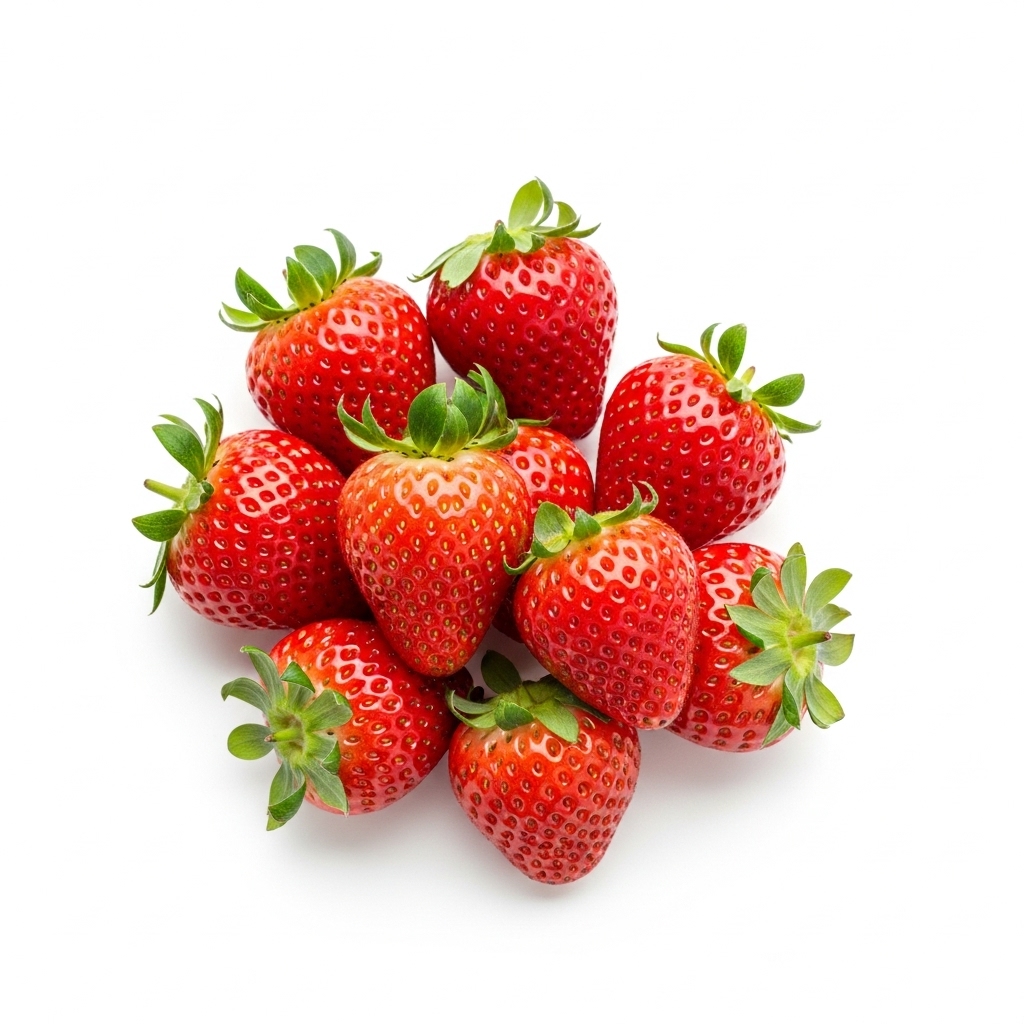
Strawberries
Table of Contents What "Edible Arrangements" Actually Means for Produce Science {#what-edible-arrangements-actually-means} Most people hear "edible arrangements" and p…
A versatile and nutritious grain-like seed.
For fresh-cut fruit, the target is typically 0–4°C across the entire supply chain, from processing facility to retail display. Any break in that chain compounds quickly. A strawberry sitting at room temperature for two hours can lose days of shelf life.
Cold chain integrity is a product quality issue, not just a logistics one. Teams that treat it as a procurement variable rather than a formulation variable tend to see more spoilage and more inconsistency in finished goods.
Modified Atmosphere Packaging {#modified-atmosphere-packaging}
Modified atmosphere packaging (MAP) works by altering the gas composition inside a sealed package — typically reducing oxygen and increasing CO2 or nitrogen. Lower oxygen slows respiration and inhibits aerobic spoilage organisms. Higher CO2 suppresses mold growth.
For fresh-cut fruit, MAP can extend shelf life by 2–3x compared to conventional packaging, depending on fruit type and gas mix. The catch: optimal atmosphere varies by species. What works for cut melon can actually accelerate deterioration in berries.
Getting MAP right requires ingredient-level data — respiration rate, ethylene sensitivity, and how your specific fruit interacts with anything else in the same package.
Edible Coatings and Surface Treatments {#edible-coatings-and-surface-treatments}
This is where things get genuinely interesting for CPG formulators.
Edible coatings are thin layers of food-grade material applied directly to fruit surfaces to reduce moisture loss, limit gas exchange, and create a physical barrier against microbial contamination. Common materials include:
The clean-label appeal is real. These materials are food-derived, often invisible to the consumer, and can be positioned as natural preservation. The challenge is that coating performance depends heavily on application method, coating thickness, and the surface properties of the specific fruit variety.
For teams sourcing ingredients for fresh-forward CPG products, coating compatibility isn't just a packaging decision — it's a formulation one.
What This Means for CPG Formulation Teams {#what-this-means-for-cpg-formulation-teams}
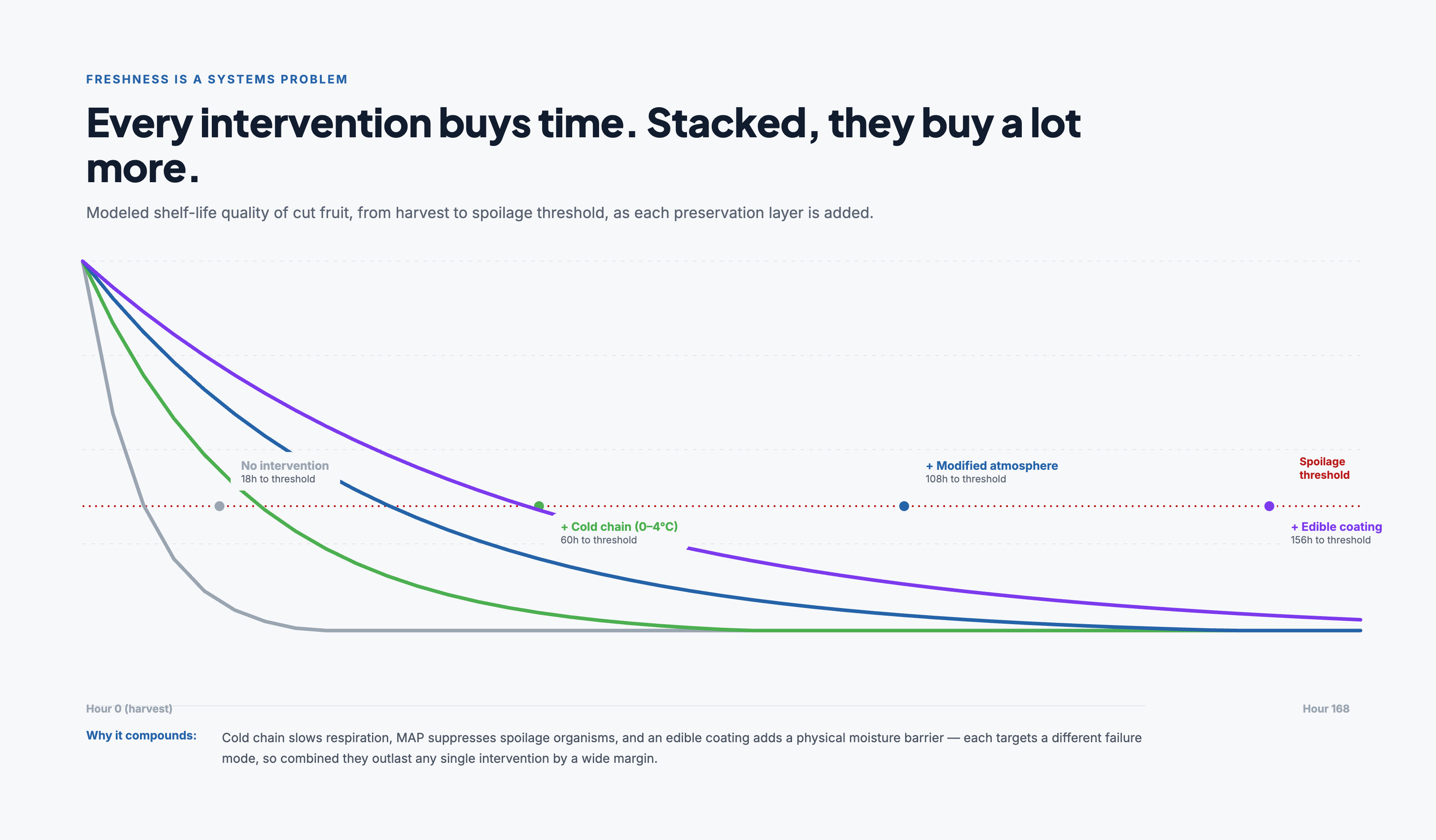
Here's the practical takeaway: freshness is not a single variable. It's a system.
When you're developing a product that depends on fresh or minimally processed fruit, you're managing ethylene dynamics, water activity, respiration rates, microbial load, and oxidative browning at the same time. Any weak link shows up as shelf-life failure.
A few principles that hold across most fresh-fruit CPG applications:
This is exactly the kind of ingredient-level intelligence that Journey Foods is built to surface — connecting nutrition, cost, and supply chain data so formulation decisions don't happen in a vacuum.
Sustainability and the Freshness Problem {#sustainability-and-the-freshness-problem}
Roughly one-third of all food produced globally is lost or wasted, and fresh produce accounts for a disproportionate share. Freshness preservation isn't just a product quality issue — it's one of the most direct levers the food industry has on sustainability outcomes.
For CPG teams, that creates a clear business case for investing in better freshness science. Longer shelf life means less shrink at retail, fewer returns, and lower waste across the supply chain. It also means more sourcing flexibility, because you're not as dependent on ultra-short supplier lead times.
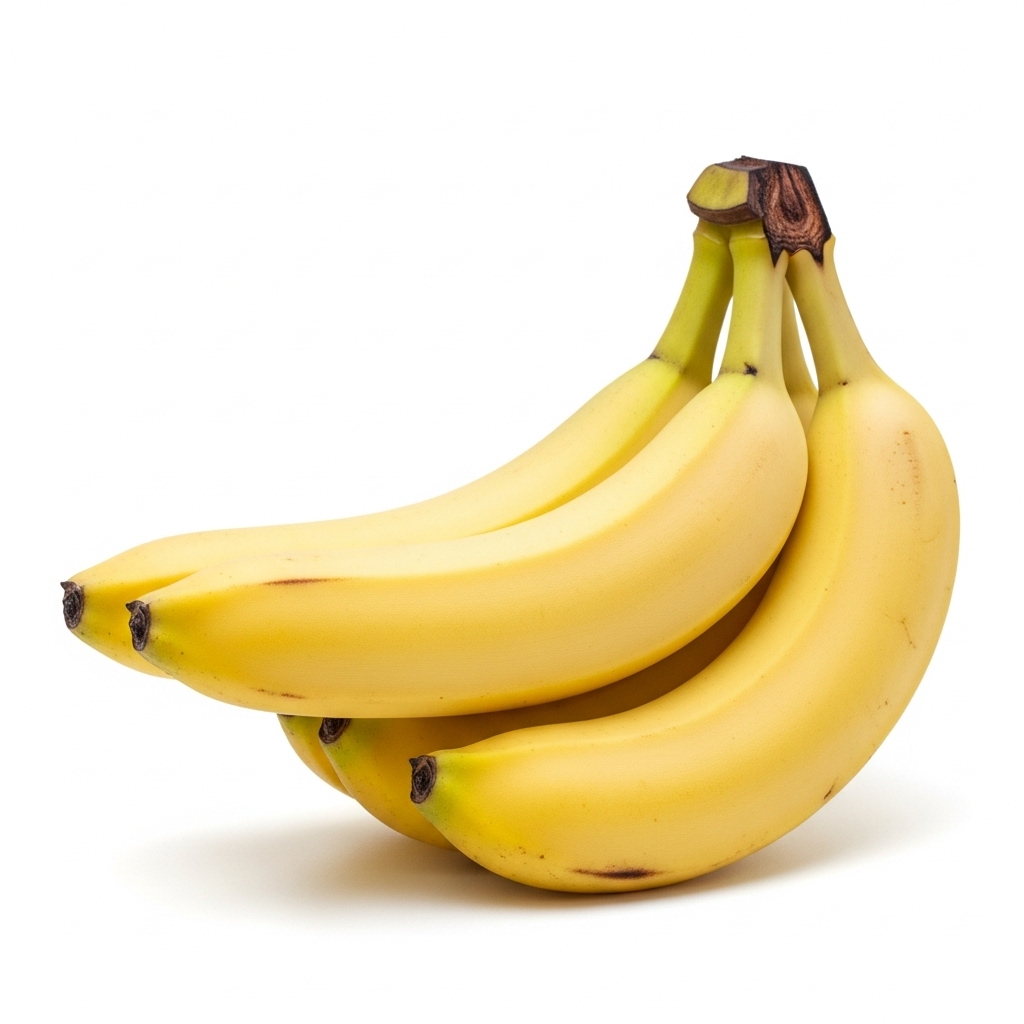
Journey Ingredient Intelligence
Bananas
Ethylene: The Ripening Hormone You Need to Know {#ethylene-the-ripening-hormone} Ethylene is a gaseous plant hormone that triggers ripening in climacteric fruits — str…
A sweet fruit (Musa acuminata) high in potassium that can be dried, blended, mashed, etc.
The suppliers and services that prioritize freshness technology — MAP equipment, cold chain monitoring, edible coating innovation — are increasingly the ones worth building long-term relationships with. Better sustainability practices start with supplier selection, and freshness infrastructure is a meaningful signal of operational maturity.
AI is also playing a real role here. Predictive spoilage modeling, real-time supply chain monitoring, and ingredient-level data platforms are giving R&D and procurement teams visibility they simply didn't have before. If you want to see how AI is being applied across the food industry, fresh produce supply chains are some of the most concrete examples available.
And it's not just about the obvious fruits. Underutilized ingredients like blackberry leaf are gaining traction partly because they offer functional benefits with different shelf-life profiles than fresh fruit. Formulation teams willing to look beyond the standard ingredient list often find better performance and better sustainability outcomes.
The connection between AI, transparency, and supply chain integrity is only getting stronger. Teams building that intelligence into their sourcing and formulation workflows now will have a real advantage.
FAQs {#faqs}
What makes fresh-cut fruit spoil faster than whole fruit?
Cutting breaks cell walls, exposes flesh to oxygen, activates browning enzymes like polyphenol oxidase, and accelerates moisture loss — all at once. That's why fresh-cut fruit has a much shorter shelf life than whole fruit stored under the same conditions.
How does ethylene affect fruit freshness in mixed arrangements?
Ethylene is a ripening hormone produced by many fruits. In mixed storage, high-ethylene producers like bananas and strawberries can accelerate ripening and deterioration in ethylene-sensitive neighbors. Separating incompatible fruits or using ethylene-absorbing packaging helps manage this.
What are edible coatings made of, and are they safe?
Edible coatings use food-grade materials — waxes like carnauba, polysaccharides like chitosan, alginate, and pectin, plus proteins and lipids. They're generally recognized as safe and widely used in commercial fresh produce and CPG applications. Specific formulations vary by application and label requirements.
What is modified atmosphere packaging and how does it extend shelf life?
MAP replaces the air inside a sealed package with a controlled gas mixture — typically lower oxygen and higher CO2 or nitrogen. This slows fruit respiration, inhibits mold growth, and delays oxidative browning. Depending on the fruit and gas mix, MAP can extend fresh-cut fruit shelf life by 2–3x compared to conventional packaging.
How does cold chain failure affect fresh fruit quality?
Temperature breaks accelerate respiration, microbial growth, and moisture loss in ways that aren't fully reversible. A brief exposure to ambient temperature can reduce remaining shelf life by days — even if the product goes back into refrigeration. Consistent cold chain management from harvest to retail is the single most effective freshness intervention available.
What should CPG formulation teams know about sourcing fresh fruit ingredients?
Variety, harvest maturity, and post-harvest handling all affect how a fruit performs in a finished product. Two batches of the same fruit from different suppliers can have meaningfully different water activity, sugar profiles, and firmness. Ingredient-level data — not category-level assumptions — should drive shelf-life modeling and packaging decisions.
Can AI tools help with fresh produce supply chain management?
Yes. AI platforms can monitor supply chain conditions in real time, flag spoilage risks before they become product failures, and surface ingredient-level data that informs formulation and sourcing decisions. The application is practical and already in use by leading CPG teams.
Conclusion {#conclusion}
Freshness is a systems problem. Keeping produce market-ready — whether in a gift arrangement or a refrigerated snack pack — comes down to managing ethylene, water activity, temperature, and oxidation simultaneously. Pull on any one thread without accounting for the others and shelf life suffers.
For CPG and R&D teams, the implication is straightforward: ingredient-level data and supply chain visibility aren't nice-to-haves. They're the difference between a product that performs on shelf and one that doesn't.
If you want to bring that kind of intelligence to your formulation and sourcing decisions, Journey Foods is built for exactly that. Book a demo and see what ingredient-level insight actually looks like in practice.
We'd love to hear from you! If you have questions or thoughts, throw them in the comments below. You can also hit us up on Instagram, LinkedIn, or Twitter.
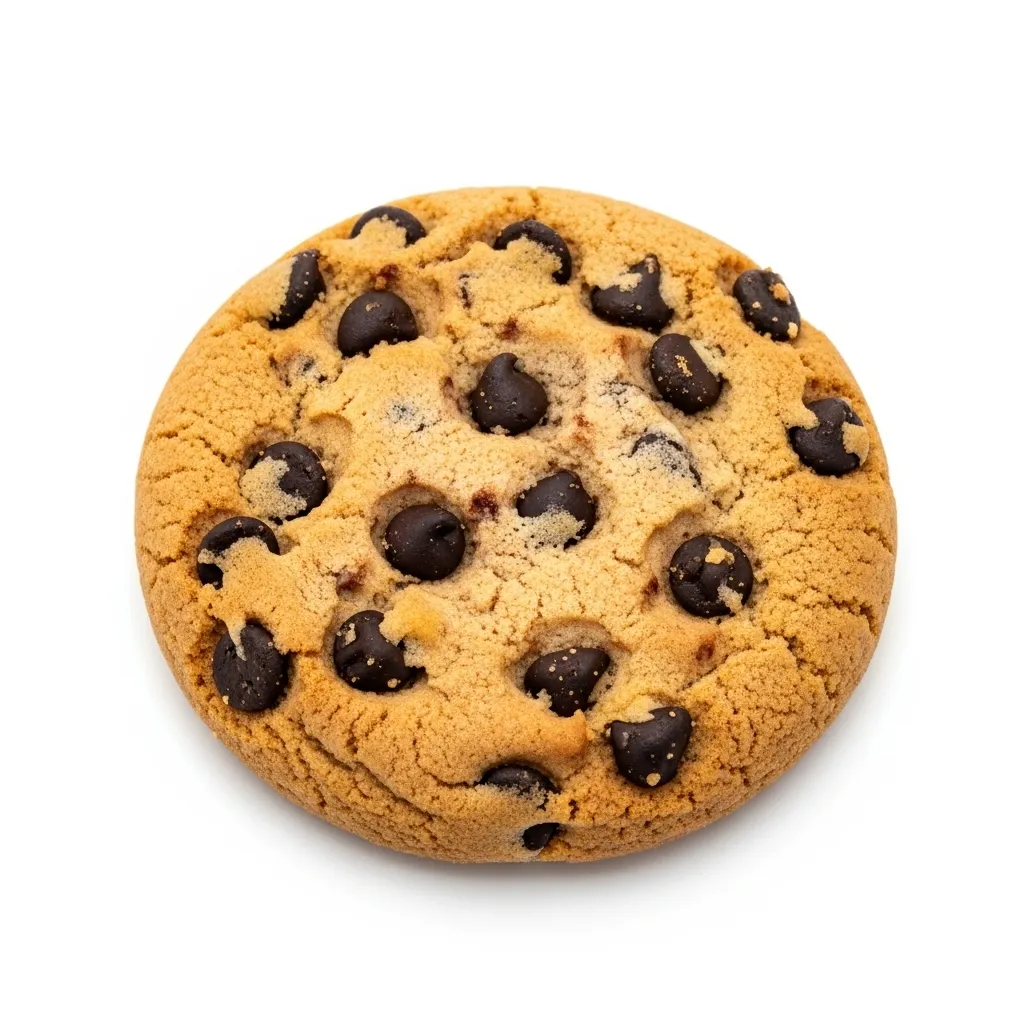
Journey Ingredient Intelligence
Cookies (Chocolate Chip)
Table of Contents What "Edible Arrangements" Actually Means for Produce Science {#what-edible-arrangements-actually-means} Most people hear "edible arrangements" and p…
A South American tree in the family Lecythidaceae.
Nutrition. Cookies (Chocolate Chip) has a nutrition profile based on the current Journey Foods nutrition table: Calories: 2232 kcal/lb, Protein: 23.13 g/lb, Fiber: 9.07 g/lb, Tot…
Cost. Cookies (Chocolate Chip) is currently priced at $11.13/kg.
Sustainability. Cookies (Chocolate Chip): Journey AI evaluates ingredient sustainability using environmental indicators such as water usage, greenhouse gas emissions, and upcycled sta…
As published
3x
Journey Ingredient Intelligence · Comparison
Strawberries
Bananas
Data from this story
Shareable Journey Intelligence
Edible Arrangements and the Science of Fruit Freshness: What Keeps Produce Market-Ready
Formulation & R&D
3x
For fresh-cut fruit, MAP can extend shelf life by 2–3x compared to conventional packaging, depending on fruit type and gas mix.
3x
Depending on the fruit and gas mix, MAP can extend fresh-cut fruit shelf life by 2–3x compared to conventional packaging.