
Quick answer
Hi Friends, It seems like April is showering waves of green growth. Thinking about the April series of Saturday Pie, the highlighted articles brought a sense of awareness and actio
Hi Friends,
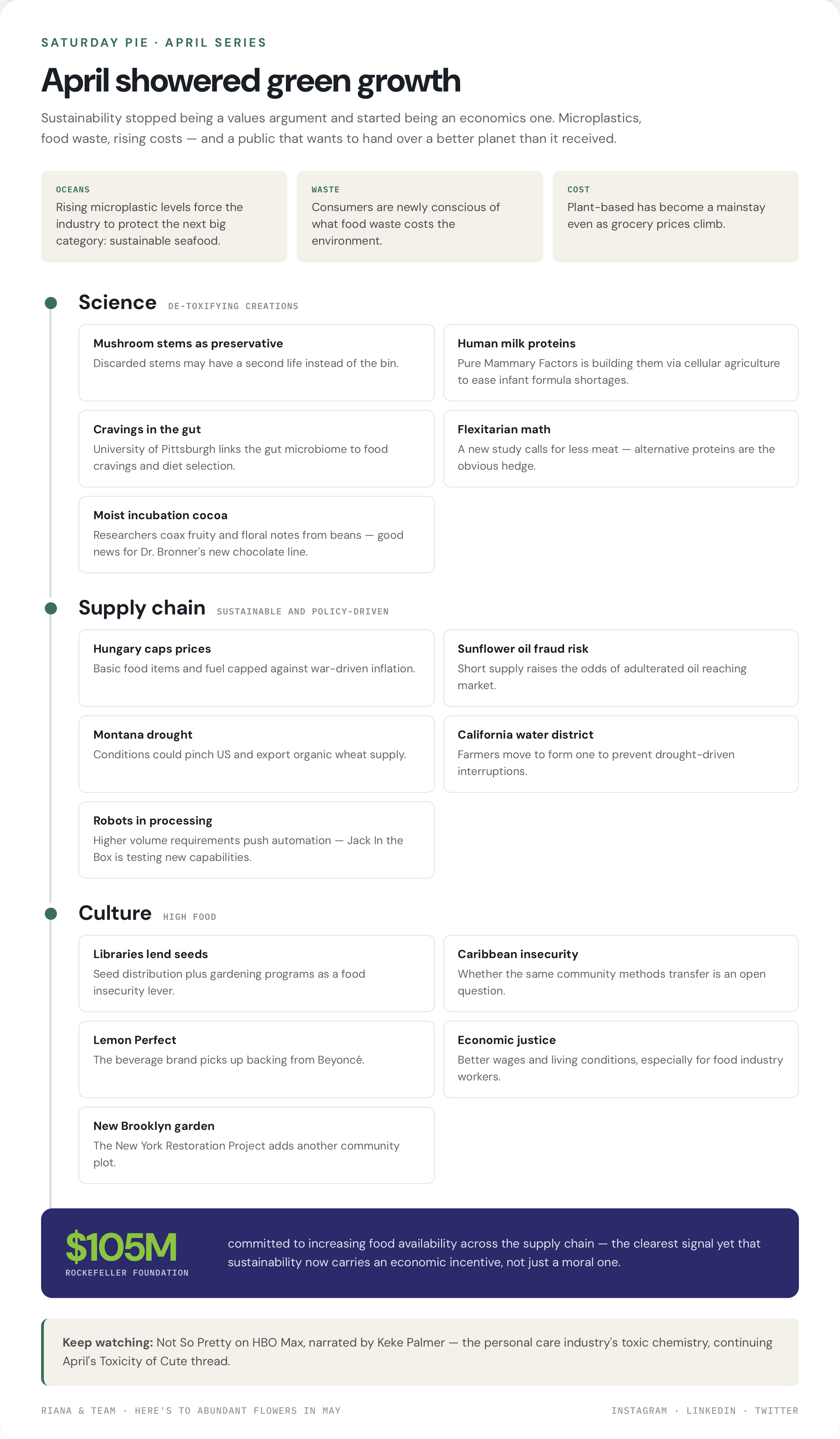
It seems like April is showering waves of green growth. Thinking about the April series of Saturday Pie, the highlighted articles brought a sense of awareness and actions around how the industry practices sustainability and how these practices are picking up with new economic incentives. And we as individuals can push for more acceleration.
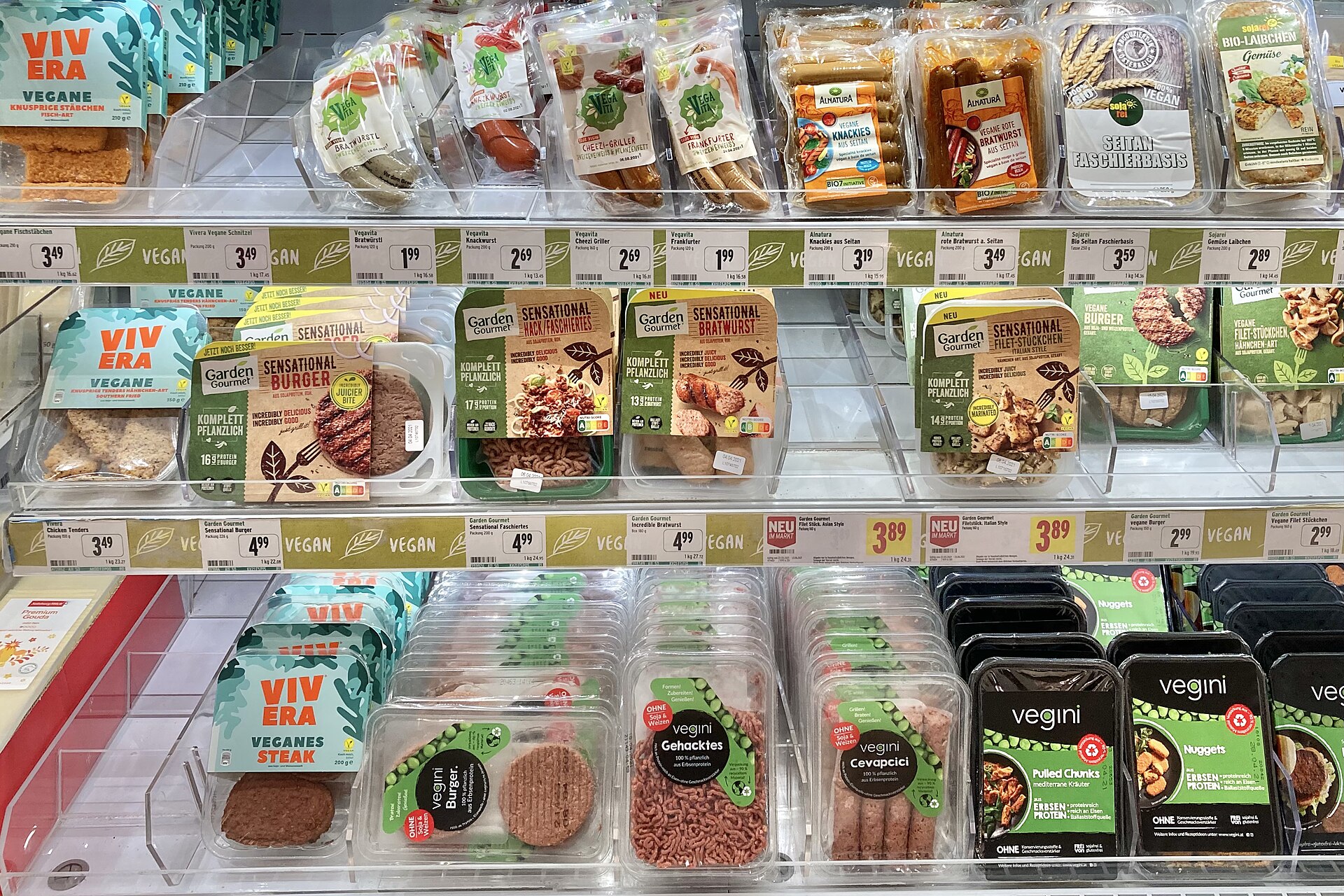
With increased levels of microplastics in the ocean, the food industry has to find ways to combat the problem and simultaneously ensure the availability of the next big thing: sustainable seafood. Consumers are increasingly more conscious of the impact of food waste on the environment, and many have made plant-based foods a mainstay of their diets while facing rising food costs.
The silver lining is that people are significantly invested in their futures and, en masse, want to leave behind a better planet for the next generation. The innovation, ideas, and simple changes will ultimately affect whether we see flowers after the storm. Possibly a bit cliche; to truly see a future, you have to be optimistic. Here’s to more sustainable futures and abundant flowers in May.
Riana & Team
Science
De-toxifying creations
Scientists find that discarded mushroom stems may be useful as a preservative rather than ending up in the trash.
Human Milk Proteins are being developed via cellular agriculture by Pure Mammary Factors to address milk shortages for feeding infants.
A new study from the University of Pittsburgh links gut microbiome to food cravings and diet selection. A new study called for a reduction in meat consumption, could a flexitarian lifestyle be the answer with more alternative protein sources?
Researchers are experimenting with a moist incubation method for developing heightened fruity and flowery notes in chocolate. Potentially good news for soap maker Dr. Bronner who just got into the chocolate business.
Supply Chain
Sustainable and policy-driven supply
The Hungarian government placed a price cap on basic food items and fuel in response to inflation caused by nearby war in Ukraine.
Journey Ingredient Intelligence
Sunflower oil
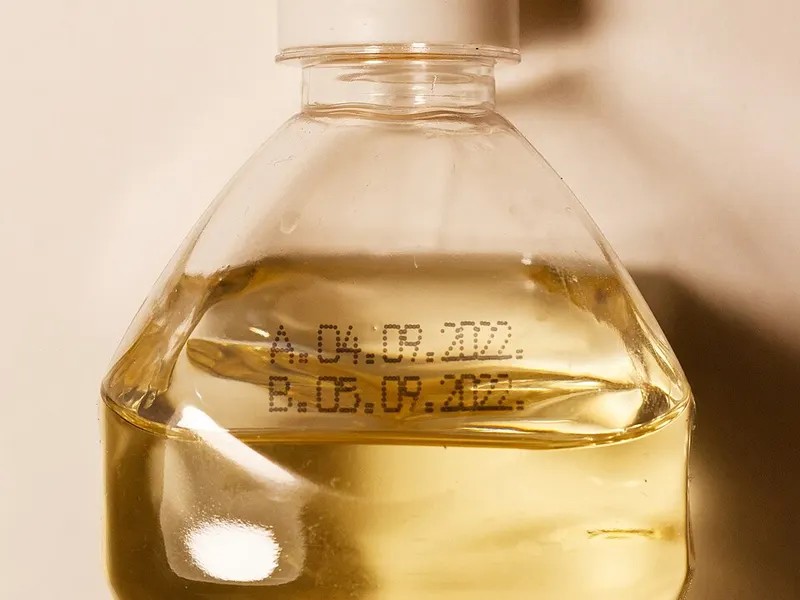
With sunflower oil in short supply, officials worry about fraudulent oil hitting the market.
Sunflower oil: 884 kcal and 0.0 g protein per 100 g; top producer Russia (31.1%, 2023); 3.6 kg CO2e per kg.
Explore Sunflower oil dataWith sunflower oil in short supply, officials worry about fraudulent oil hitting the market.
Drought conditions in Montana could potentially affect organic wheat supply in the US and abroad. While farmers in California attempt to create a new water district to prevent supply interruptions during droughts.
The Rockefeller Foundation commits $105 million to increasing food availability throughout the supply chain.
Higher food volume requirements means deploying the use of more robots in food processing, fast food restaurant chain Jack In the Box is also testing out new capabilities.
Culture
High food
Public libraries are aiding in food insecurity through seed distribution programs while offering programs on gardening and the importance of growing your own food. With food insecurity rising in the Caribbean, are any of these methods potential solutions?
Did someone mention Beyonce? Lemon Perfect did! The beverage brand receives backing from the pop star.
Better wages and better living conditions, economic justice for all, especially those in the food industry.
The New York Restoration Project continues their efforts with a new community garden in Brooklyn.
Continuing the conversation on the Toxicity of Cute (last week’s Saturday Pie), check out Not So Pretty, a docuseries from HBO Max narrated by Keke Palmer, which delves into the personal care industry and toxic chemicals present in everyday products.
That's all until next week. Have fun and stay well.
We’d love to hear from you!
If you have any questions or thoughts, throw them in the comments below.
Journey Ingredient Intelligence
Wheat flour
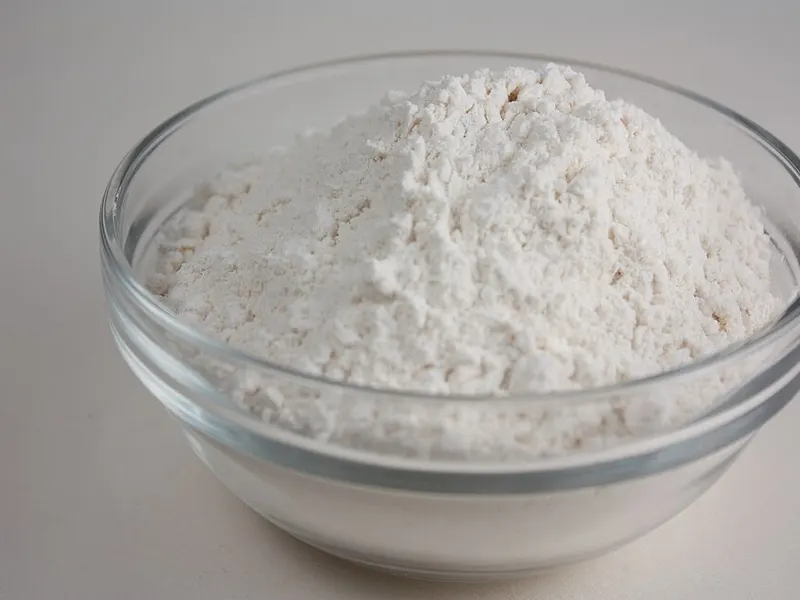
Drought conditions in Montana could potentially affect organic wheat supply in the US and abroad.
Wheat flour: 364 kcal and 10.3 g protein per 100 g; top producer China (17.5%, 2024); 1.57 kg CO2e per kg.
As published
$105
Supplier highlight
1000 Springs Mill
Lists Brown Beans, Butterfly Popcorn, White Wheat Flour, Flint Corn, Blue on the market graph.
View 1000 Springs Mill dataJourney Ingredient Intelligence · Comparison
Sunflower oil
Wheat flour
Data from this story