Quick answer
When going to the dairy isle of any supermarket it is nigh impossible to miss the daunting wall of yogurts that are bound to be there. The food made from fermented dairy is indeed
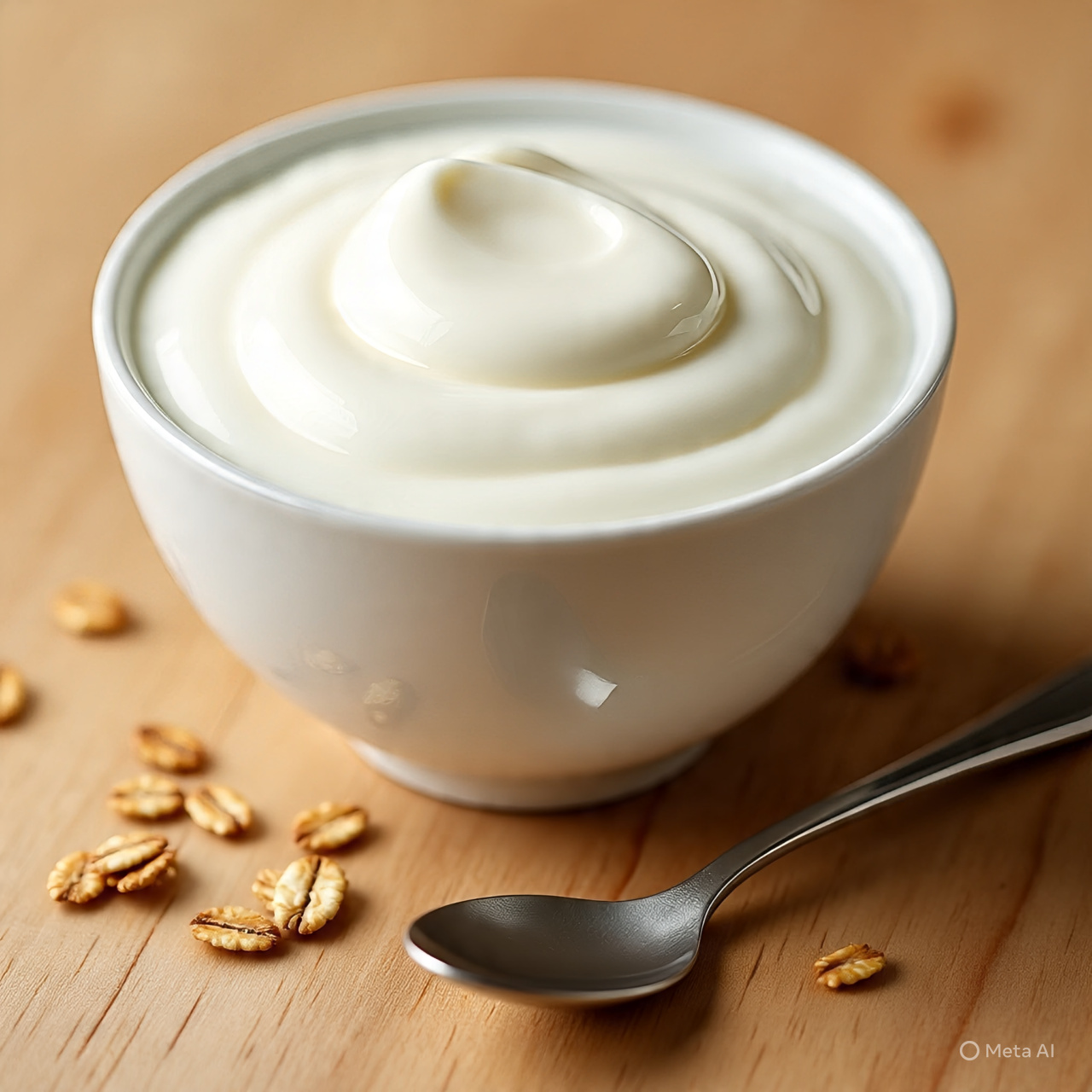
When going to the dairy isle of any supermarket it is nigh impossible to miss the daunting wall of yogurts that are bound to be there. The food made from fermented dairy is indeed a yummy addition to consumers' diets which can be eaten for breakfast, used as dressing for salads, or be blended to make sauces. There is high demand for the yogurt market with a CAGR of 5.39% from 2025 to 2030.
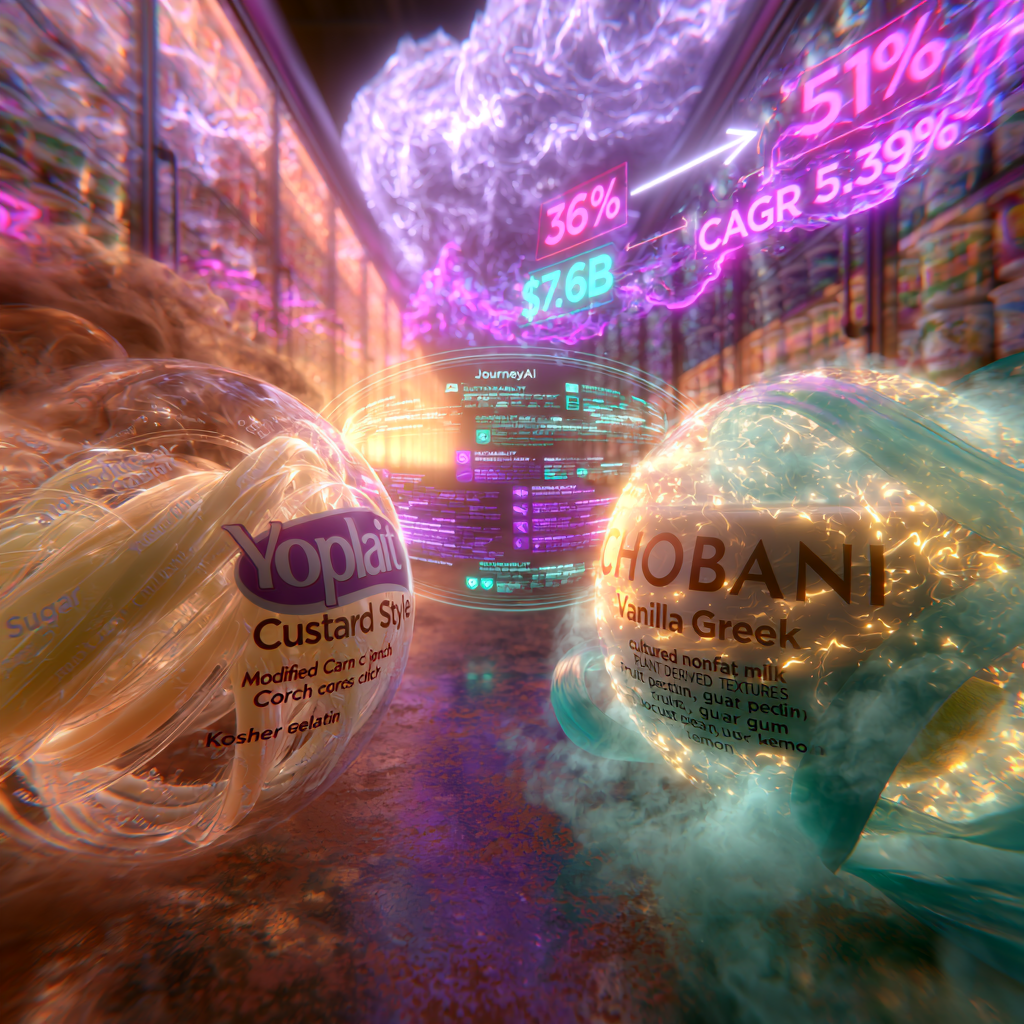
With that being said, it is paramount for CPG food companies to always find ways to shake up the game and stay on top of consumer preferences - including their choice of yogurt. We thought it would be interesting to compare how yogurt back then was made to how it is being made today; this way, companies can learn from the past and strategize what they can do in the now. We will be looking at the discontinued Custard Style yogurt flavor made by Yoplait and seeing how it holds up to the modern Chobani's Vanilla Greek yogurt flavor.
Starting off with ingredients, Yoplait's discontinued Custard Style had the following:
Journey Ingredient Intelligence
Yogurt
When going to the dairy isle of any supermarket it is nigh impossible to miss the daunting wall of yogurts that are bound to be there.
A South American tree in the family Lecythidaceae.
- Pasteurized Grade A milk
- Sugar
- Modified Corn Starch
- Kosher Gelatin
- Yogurt Cultures (L. Bulgaricus, S. Thermophilus, L. Acidophilus)
- Natural Flavor
- Turmeric Extract (For Color)
In contrast, Chobani's vanilla flavor has these ingredients:
- Cultured nonfat milk,
- Cane sugar
- Water
- Natural flavors
- Fruit pectin
- Guar gum
- Locust bean gum,
- Vanilla extract
- Lemon juice concentrate.
Journey Ingredient Intelligence
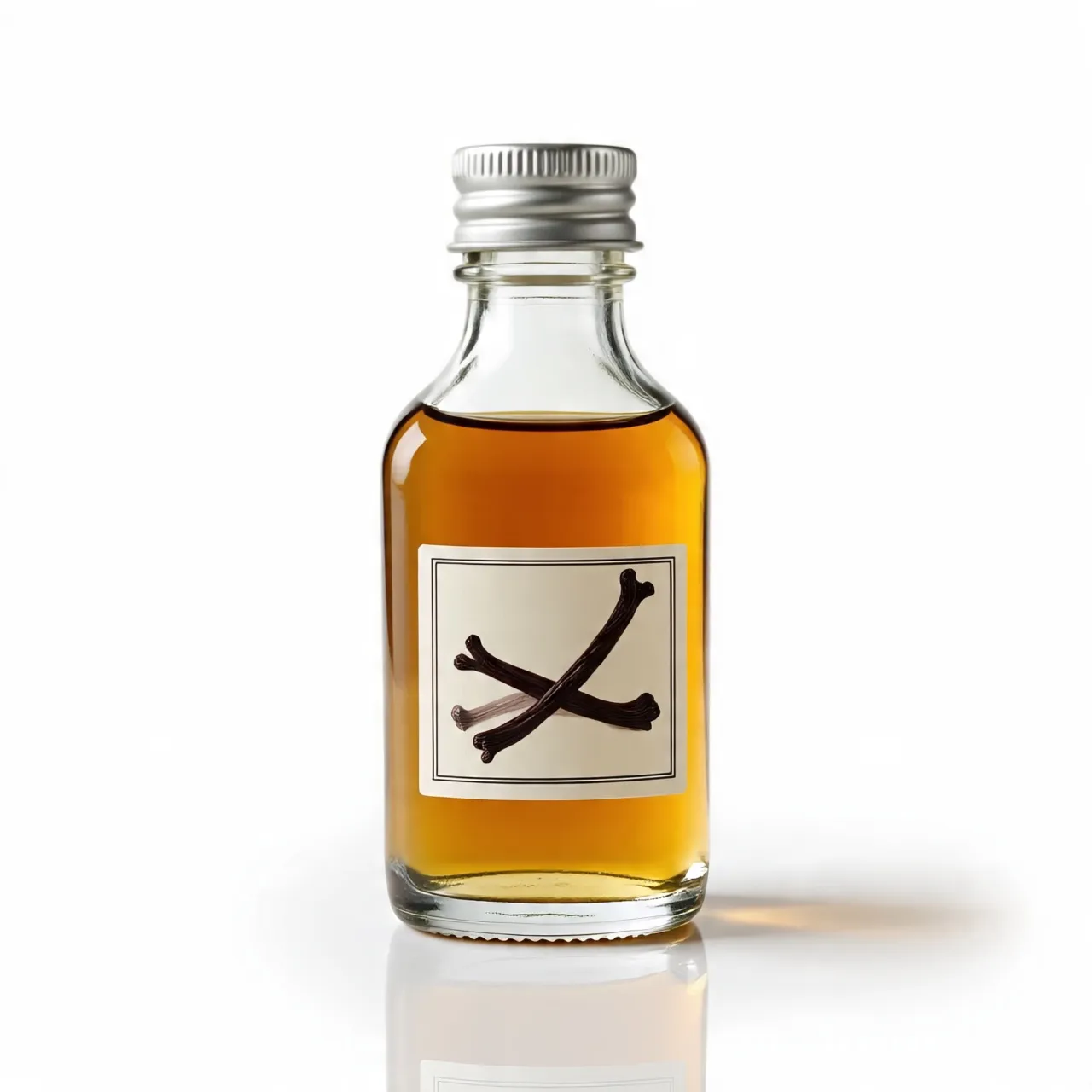
Vanilla Extract
We will be looking at the discontinued Custard Style yogurt flavor made by Yoplait and seeing how it holds up to the modern Chobani's Vanilla Greek yogurt flavor.
A South American tree in the family Lecythidaceae.
Nutrition. Vanilla Extract has a nutrition profile based on the current Journey Foods nutrition table: Calories: 1306 kcal/lb, Protein: 0.27 g/lb, Fiber: 0.00 g/lb, Total Sugars:…
Cost. Vanilla Extract is currently priced at $41.88/kg.
Sustainability. Vanilla Extract: Journey AI evaluates ingredient sustainability using environmental indicators such as water usage, greenhouse gas emissions, and upcycled status.
Comparison
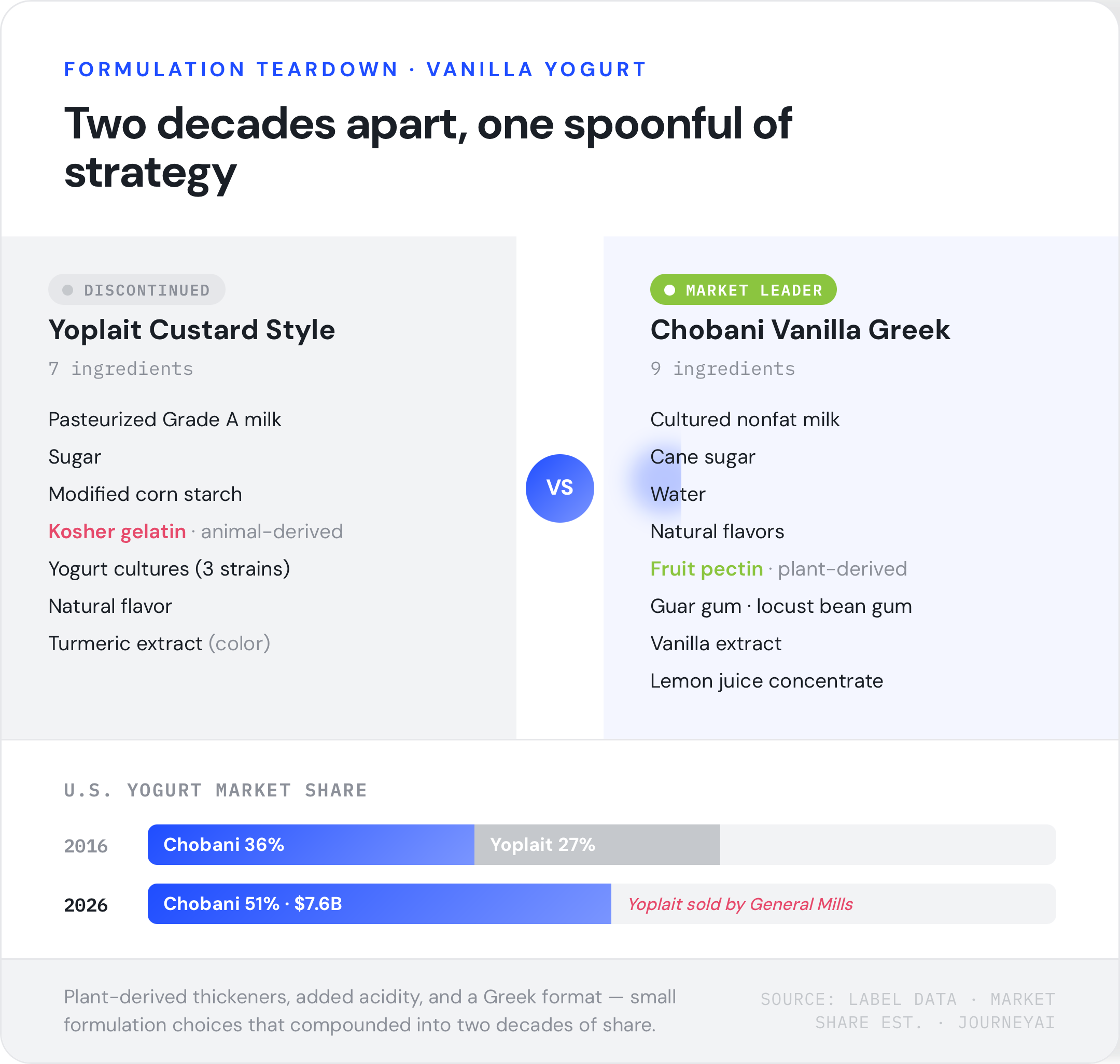
Just by looking at the milk we see that Yoplait used pasteurized Grade A milk while Chobani both pasteurized and cultured their nonfat milk using different bacteria. Both companies used processed sugar and natural flavors, but Chobani opted to also include more plant-derived ingredients rather than animal products (fruit pectin compared to kosher gelatin) and use lemon juice for more flavor.
Apparently, the results spoke for themselves: Chobani is still going strong and selling out shelves of Vanilla greek yogurt while YoPlait's Custard Style ceased, was revived for a comeback in 2017, and was then discontinued a second time. In 2016, Yoplait had a yogurt market share of 27% which was behind Chobani's first place percentage of 36%. In 2026 Chobani is predicted to have a U.S. market share of 51% with a value of $7.6 billion - while General Mills recently sold Yoplait due to declining sales.
Journey Ingredient Intelligence
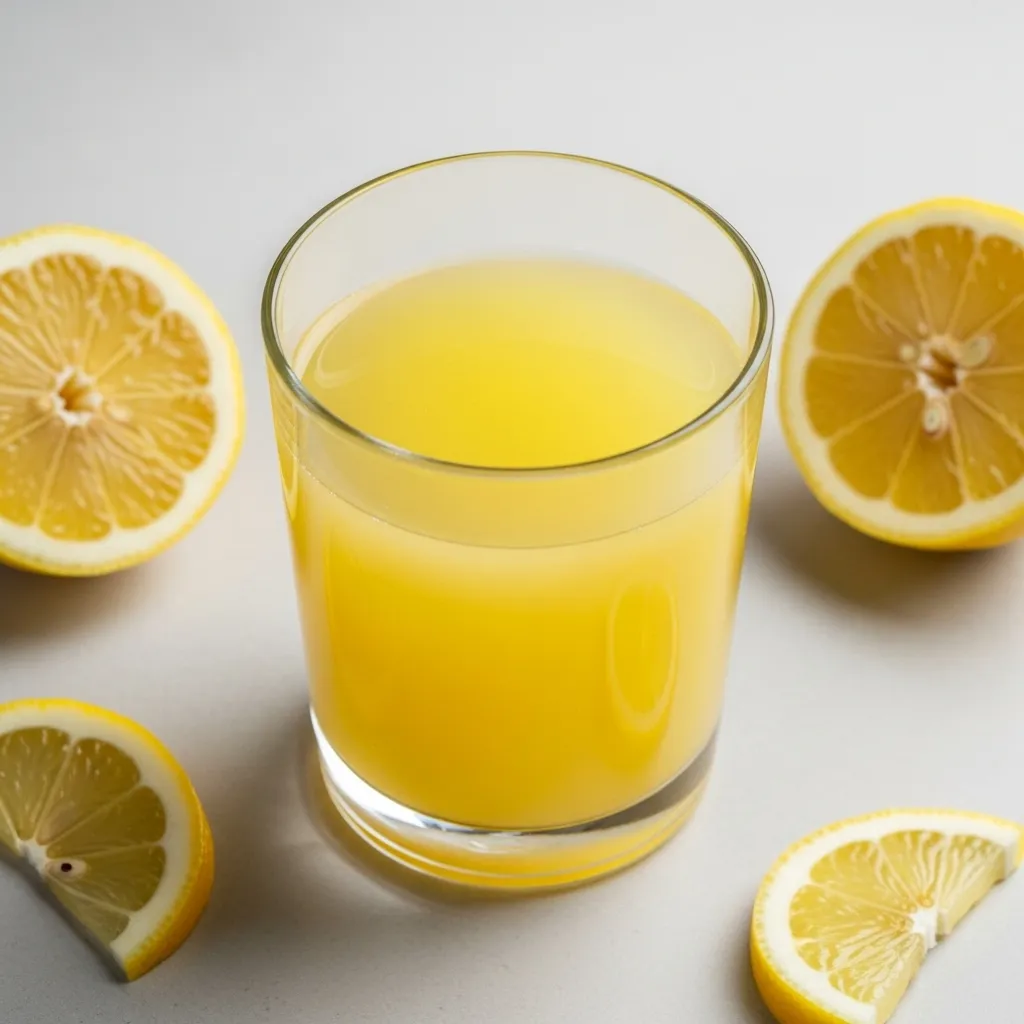
Lemon Juice
Acidophilus) Natural Flavor Turmeric Extract (For Color) In contrast, Chobani's vanilla flavor has these ingredients : Cultured nonfat milk, Cane sugar Water Natural f…
A South American tree in the family Lecythidaceae.
Nutrition. Lemon Juice has a nutrition profile based on the current Journey Foods nutrition table: Calories: 100 kcal/lb, Protein: 1.59 g/lb, Fiber: 1.36 g/lb, Total Sugars: 11.4…
Cost. Lemon Juice is currently priced at $1.46/kg.
Sustainability. Lemon Juice: Journey AI evaluates ingredient sustainability using environmental indicators such as water usage, greenhouse gas emissions, and upcycled status.
Chobani must be doing something right to have dominated the yogurt market for two decades. This is why it is always important to get ahead of your competitors and find ways to innovate and renovate your dream product. Journey Foods offers real-time ingredient trend analysis, sustainability metrics, and regulatory data, making it seamless for product development teams to design, prototype, and launch innovative dairy and non-dairy foods and drinks that meet today’s consumer demand.
Want to accelerate your next breakthrough? Journey Foods is your technology partner for functional food success—empowering companies with science-backed, market-driven ingredient solutions.
Journey Ingredient Intelligence
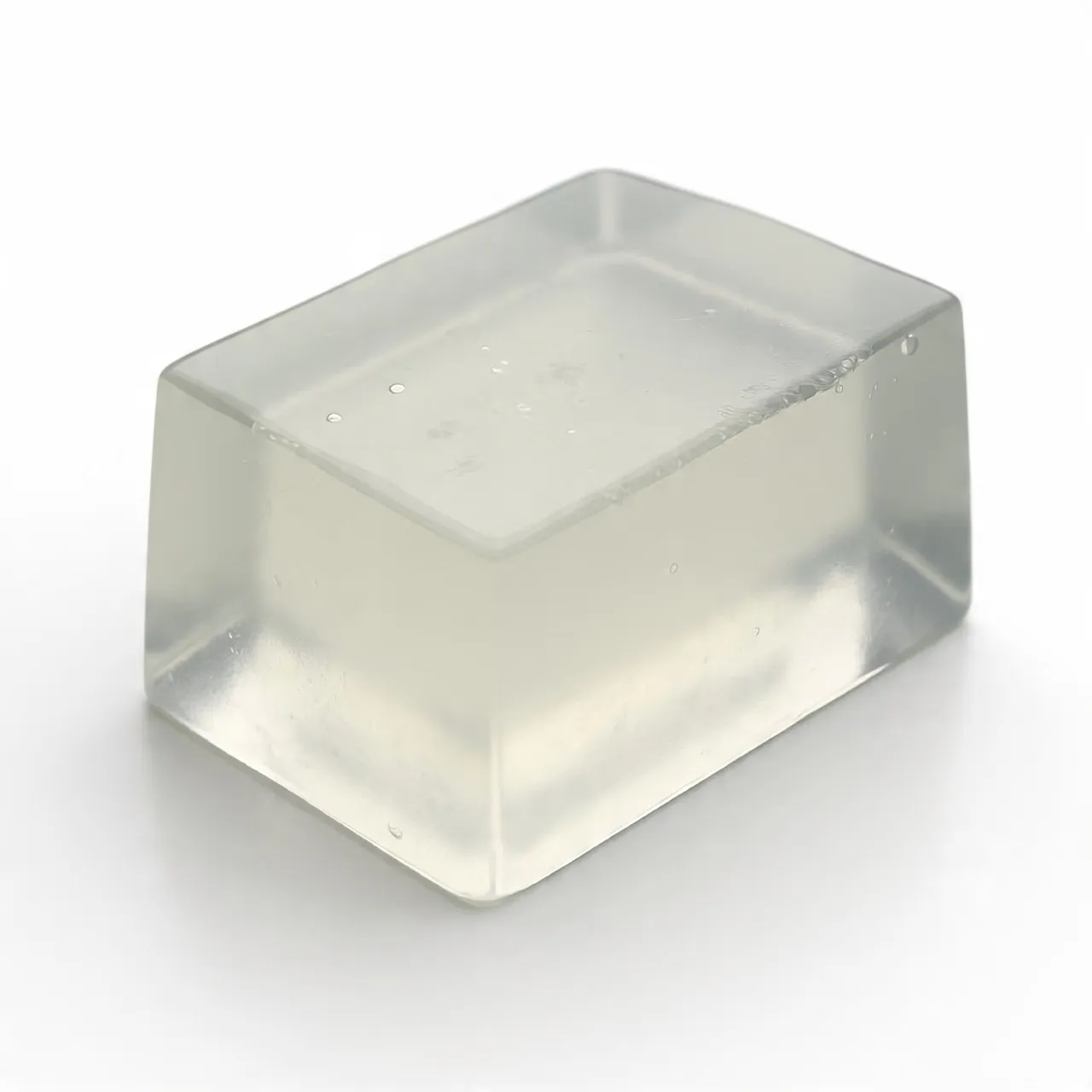
Gelatin
Starting off with ingredients, Yoplait's discontinued Custard Style had the following : Pasteurized Grade A milk Sugar Modified Corn Starch Kosher Gelatin Yogurt Cultu…
A collagen derived from animal body parts and used as an emulsifier in food products (ice cream, jelly, etc).
Nutrition. Gelatin has a nutrition profile of 1,491 kcal/lb and 388.73 g protein/lb, with no reported fiber or total sugars.
Cost. Gelatin is currently priced at $23.14/kg.
Sustainability. Journey AI evaluates ingredient sustainability using environmental indicators such as water usage, greenhouse gas emissions, and upcycled status.
As published
5.39%
Journey Ingredient Intelligence · Comparison
Yogurt
Vanilla Extract
Data from this story
Shareable Journey Intelligence
Old vs. New: Chobani and Yoplait Yogurt Comparison
Labeling & Nutrition
5.39%
There is high demand for the yogurt market with a CAGR of 5.39% from 2025 to 2030.
27%
In 2016, Yoplait had a yogurt market share of 27% which was behind Chobani's first place percentage of 36%.