

Quick answer
Sugar replacement ingredients like stevia, erythritol, and monk fruit are gaining popularity as consumers seek healthier alternatives without sacrificing sweetness. These ingredients not only help manage blood sugar levels but also contribute to overall wellness. At Journey Foods, we leverage AI technology to help brands innovate with these sugar substitutes, ensuring products meet consumer demands for delicious and health-conscious options.
Sweet Alternatives: The Rise of Sugar Replacement Ingredients
In today’s health-conscious market, finding effective sugar replacements is crucial for both consumer satisfaction and product innovation. As people seek to reduce sugar intake without sacrificing sweetness, various ingredients have emerged as popular alternatives. Let’s explore some of the most effective sugar substitutes and their benefits.
Top Sugar Replacement Ingredients
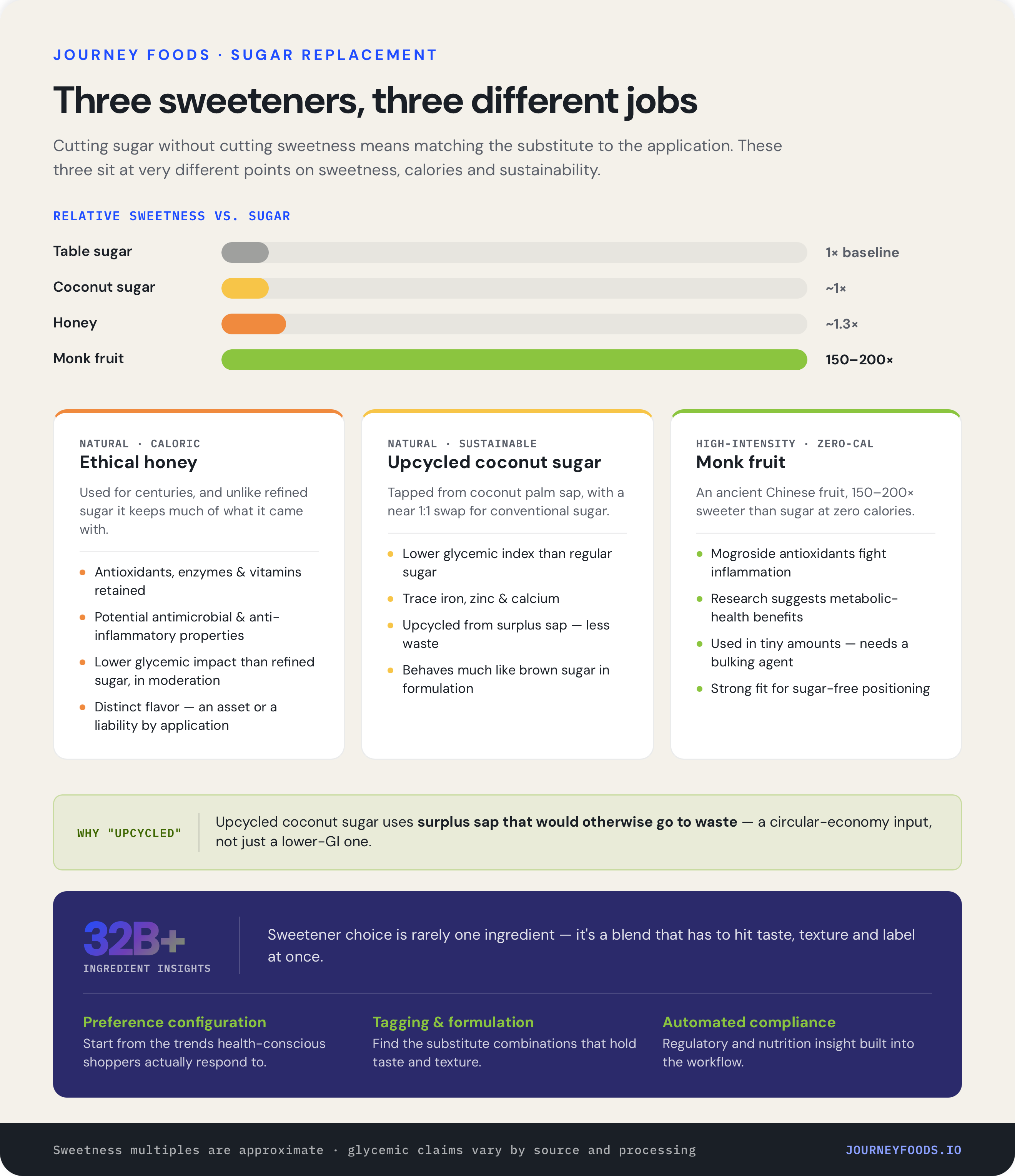
Ethical Honey: Honey, when sourced ethically, is a natural sweetener that has been used for centuries. Unlike refined sugars, ethical honey retains many beneficial properties, including antioxidants, enzymes, and vitamins. It has a unique flavor profile and is a great alternative for those looking to reduce their sugar intake. Ethical honey is also known for its potential antimicrobial and anti-inflammatory properties. When consumed in moderation, it may also provide a lower glycemic impact compared to refined sugars, making it a popular choice for those seeking a more natural sweetener.
Upcycled Coconut Sugar: Derived from the sap of coconut trees, upcycled coconut sugar is a more sustainable and eco-friendly alternative to traditional sugars. It has a lower glycemic index than regular sugar, meaning it has less of an impact on blood sugar levels. Additionally, coconut sugar contains trace amounts of vitamins and minerals like iron, zinc, and calcium, making it a more nutritious option. The process of upcycling involves using surplus coconut sap that would otherwise go to waste, helping reduce food waste and supporting a more circular economy. This makes it not only a healthy alternative but also a more environmentally conscious choice.
Monk Fruit: This ancient Chinese fruit is another natural sweetener that contains zero calories and is about 150-200 times sweeter than sugar. Monk fruit extract is rich in antioxidants called mogrosides, which can help fight inflammation and support overall health. Research suggests it may also have a positive impact on metabolic health, making it a great addition to sugar-free products.
Journey Ingredient Intelligence
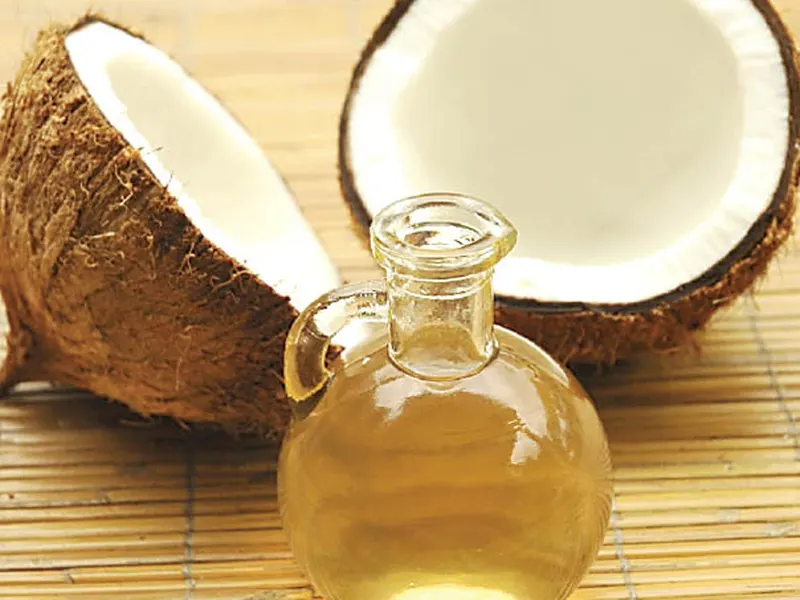
Coconut oil
Upcycled Coconut Sugar : Derived from the sap of coconut trees, upcycled coconut sugar is a more sustainable and eco-friendly alternative to traditional sugars.
Coconut oil: 892 kcal and 0.0 g protein per 100 g; top producer Philippines (38.8%, 2023); 4.03 kg CO2e per kg.
Explore Coconut oil dataJourney Foods: Innovating with Sugar Alternatives
At Journey Foods, we are committed to helping brands create delicious products that meet consumer demands for healthier options. Our AI-driven platform streamlines the process of discovering and formulating with sugar replacement ingredients, ensuring that your products deliver great taste while supporting wellness.
Consumer Preference Configuration: We begin by aligning product development with consumer trends, helping you choose the right sweeteners that resonate with health-conscious shoppers.
Ingredient Tagging and Formulation Improvement: Our technology identifies optimal combinations of sugar substitutes, ensuring that your formulations achieve the desired taste and texture without compromising on nutrition.
Automated Compliance and Insights: Our platform simplifies the complexities of regulatory compliance, making it easier for you to bring innovative sugar-free products to market while meeting industry standards.
By leveraging our extensive database of over 32 billion ingredient insights, we empower you to make informed decisions that cater to evolving consumer preferences. Partner with Journey Foods to transform your product lineup with effective sugar replacement ingredients, creating healthier, more satisfying options for today’s mindful consumers.

Journey Ingredient Intelligence
Honey
Top Sugar Replacement Ingredients Ethical Honey : Honey, when sourced ethically, is a natural sweetener that has been used for centuries.
Honey: 304 kcal and 0.3 g protein per 100 g; top producer China (22.4%, 2024); 1.57 kg CO2e per kg.
Explore Honey dataData from this story