China and the EU Are Fighting Over Food. Read Your Ingredient Sheet Like a Trade Map.

Quick answer
China and the EU now put duties on pork, dairy, a sweetener and an amino acid. What it means for ingredient imports and sourcing plans into 2027.
Run it through Journey.Sign upBook a demo
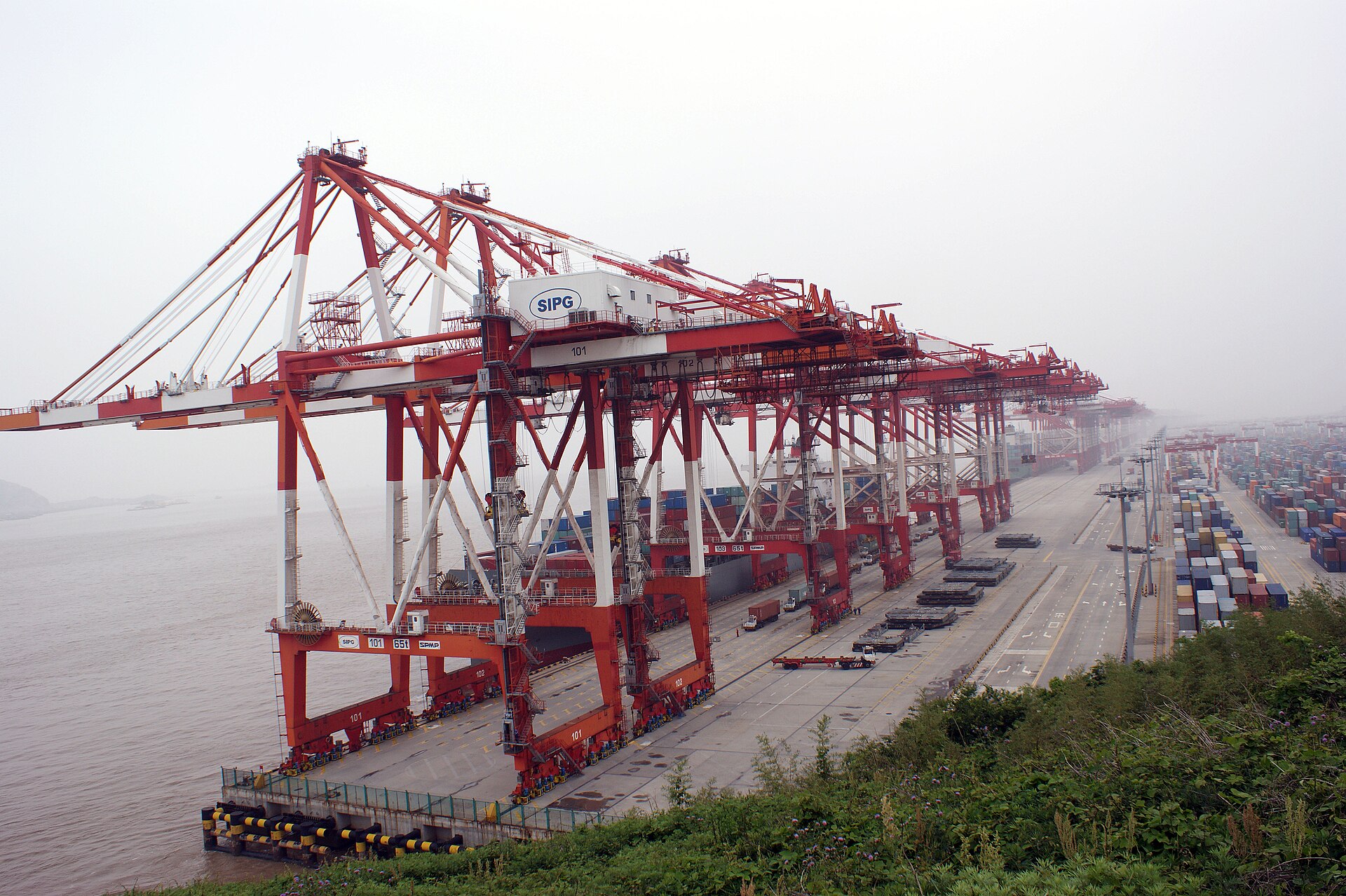
Yangshan Deep-Water Port, Shanghai, one of the gateways for goods moving between China and Europe. Photo: Bruno Corpet (Quoique) via Wikimedia Commons, CC BY-SA 3.0.
Quick answer: A trade fight that started over electric vehicles now touches pork, dairy, a sweetener and an amino acid. October talks between China and the EU cooled things down, but nothing is settled, and the next big meeting isn't until March 2027. If your products touch either market, map which ingredients cross that border, price a second source now, and plan for these duties to stay a while.
When I read trade news, I translate it into one question: which line on my ingredient sheet just got more expensive, or harder to get?
Between China and the EU right now, the answer is more lines than most teams think.
How a car fight became a food fight
In October 2024 the EU put tariffs on Chinese electric vehicles. Beijing answered with trade measures on EU pork, brandy and dairy (DairyReporter).
Pork. China's final ruling cut its duties on EU pork to a ceiling of 19.8%, down from initial rates of 15.6% to 62.4% (DairyReporter).
Dairy. On February 12, 2026, China's Ministry of Commerce set final countervailing duties of 7.4% to 11.7% on certain EU dairy products, in place from February 13 for five years (MOFCOM).
Lower than people first feared. Still a cost that didn't exist two years ago, and for dairy it's locked in for five years.
The EU has its own list, and it's full of ingredients
Trade defense runs both ways. In January 2025 the European Commission imposed anti-dumping duties of 34.4% to 233.3% on the sweetener erythritol from China. The Commission said EU producers had been forced to halt erythritol production toward the end of 2022, in an EU market worth about €30 million a year (European Commission).
In July 2025 it added duties of 47.7% to 58.2% on Chinese lysine, an essential amino acid used in animal feed, pharmaceuticals and dietary supplements (European Commission).
Neither of those makes the evening news. Both can sit inside a sugar-free product, a supplement, or the feed behind the meat and eggs you buy. That's the pattern I want teams to see: trade tension rarely shows up as one big line item. It shows up as ten small ones, spread across suppliers who may not flag them.
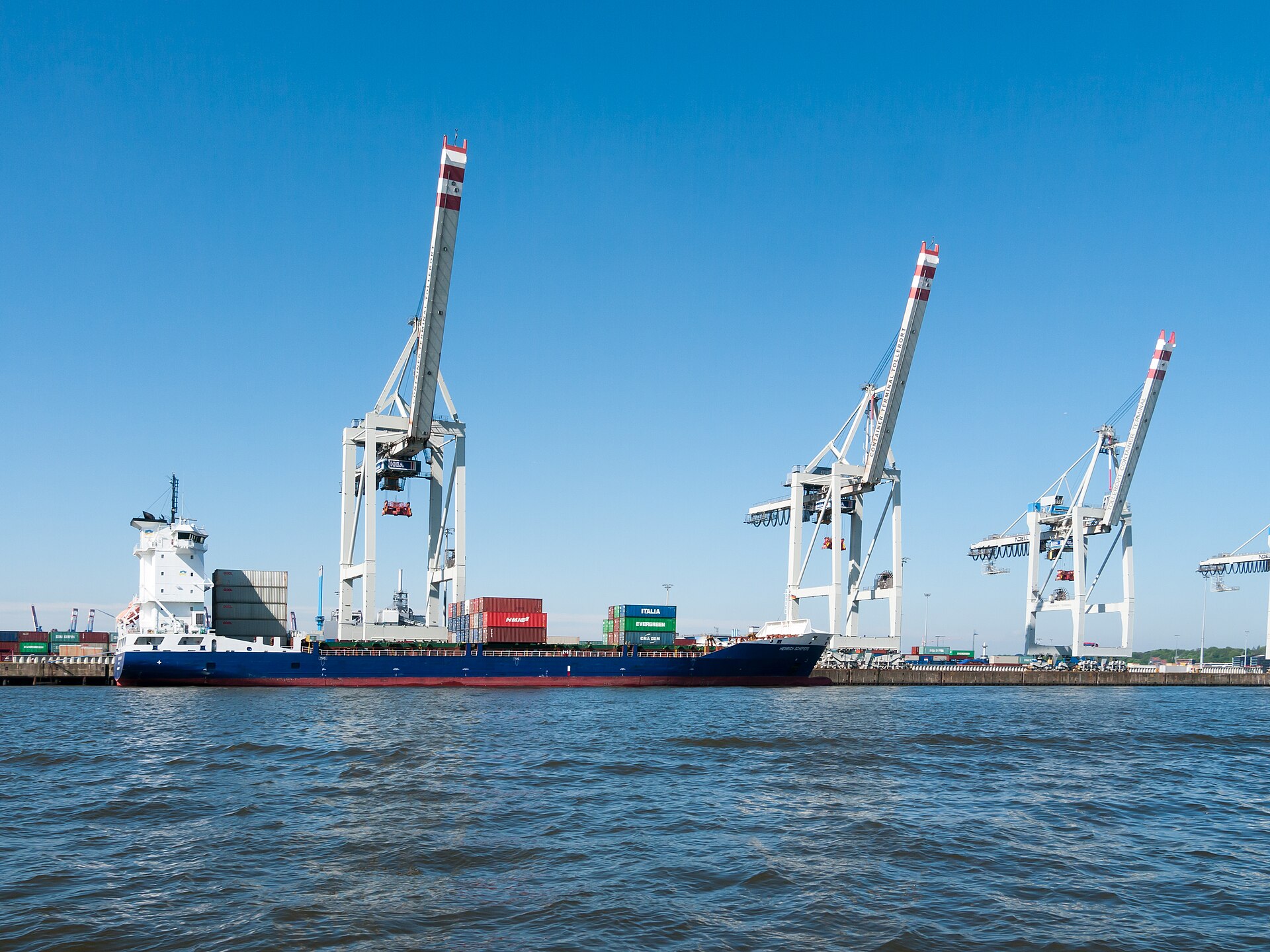
The Tollerort container terminal in the Port of Hamburg, on the EU side of the trade lane. Photo: Matti Blume via Wikimedia Commons, CC BY-SA 4.0.
October brought a thaw, not a deal
On October 8 and 9, 2026, China's Minister of Commerce Wang Wentao and EU Trade Commissioner Maroš Šefčovič met in Beijing. Their joint statement says both sides will keep exploring tariff reductions or elimination for certain goods within WTO rules. China agreed to speed up recognition of the regionalisation principle for eligible EU member states, and both sides will work toward lifting restrictions on animal products affected by bluetongue disease. The next ministerial meeting is set for March 2027, with a video conference in January (European Commission joint statement).
That's encouraging for meat and dairy flows. It's also a long calendar. "It'll get resolved soon" is not a sourcing strategy.
Why this reaches far beyond Brussels and Beijing
Trade hubs feel every one of these moves. Singapore imports more than 90% of its food, and in 2025 it sourced from over 180 countries and regions, up from about 140 two decades earlier. Diversifying import sources is a core pillar of its food resilience plan (Singapore Food Agency).
If a whole country treats supplier diversity as basic hygiene, a brand selling across Asia and Europe should too.
What I'd do this quarter
Map origin at the ingredient level. Not just your supplier's address. The country of origin of what's actually in the bag, especially sweeteners, amino acids, dairy powders and pork-derived ingredients.
Price a second source before you need one. A quote in hand is leverage. A quote requested in a crisis comes with a premium.
Model the duty, not just the unit price. A small duty on your highest-volume ingredient can cost more than a big duty on something you use by the gram. Know which is which.
Put the dates on your calendar. The January video call and the March 2027 meeting are when tariff talk can move again.
Check what a swap does to the whole product. Changing a sweetener or a dairy source touches taste, texture, labels and claims, not only cost.
Our free report, The Price of Composition, shows how much of a product's price is decided inside the formula: the cheapest products on the shelf carry 2.6 times more additives than the most expensive ones. Trade costs push on exactly those choices, so it's worth knowing where your formula sits before a duty decides for you.
Trade fights come and go. The teams that come out fine are the ones who knew their ingredient map before the headline hit.
Journey connects the world's product, ingredient, supplier and packaging data so people and AI agents can search and act on it: 12 million ingredients, 1.2 million of them audited. Sign in or start free.
Free reports and white papers: journeyfoods.io/reports
Journey Ingredient Intelligence
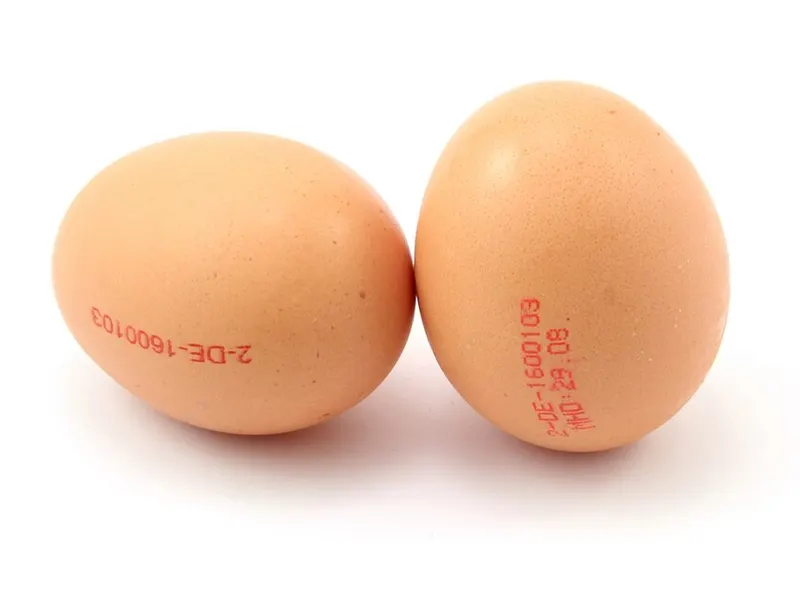
Eggs
Both can sit inside a sugar-free product, a supplement, or the feed behind the meat and eggs you buy.
Eggs: 143 kcal and 12.6 g protein per 100 g; top producer China (34.8%, 2024); 4.67 kg CO2e per kg.
Explore Eggs dataAs published
19.8%
Data from this story
Shareable Journey Intelligence
China and the EU Are Fighting Over Food. Read Your Ingredient Sheet Like a Trade Map.
Industry Insights
19.8%
China's final ruling cut its duties on EU pork to a ceiling of 19.8%, down from initial rates of 15.6% to 62.4% ( DairyReporter ).
7.4%
On February 12, 2026, China's Ministry of Commerce set final countervailing duties of 7.4% to 11.7% on certain EU dairy products, in place from February 13 for five years ( MOFCOM ).