Pico de Gallo in Cairo, Coleslaw in Riyadh: The Supply Chain Behind Two Simple Sides

Quick answer
Pico de gallo and coleslaw are raw, so every tomato and onion shows. What Egypt's tomato season and Saudi produce data mean for fresh-prep sourcing.
Run it through Journey.Sign upBook a demo
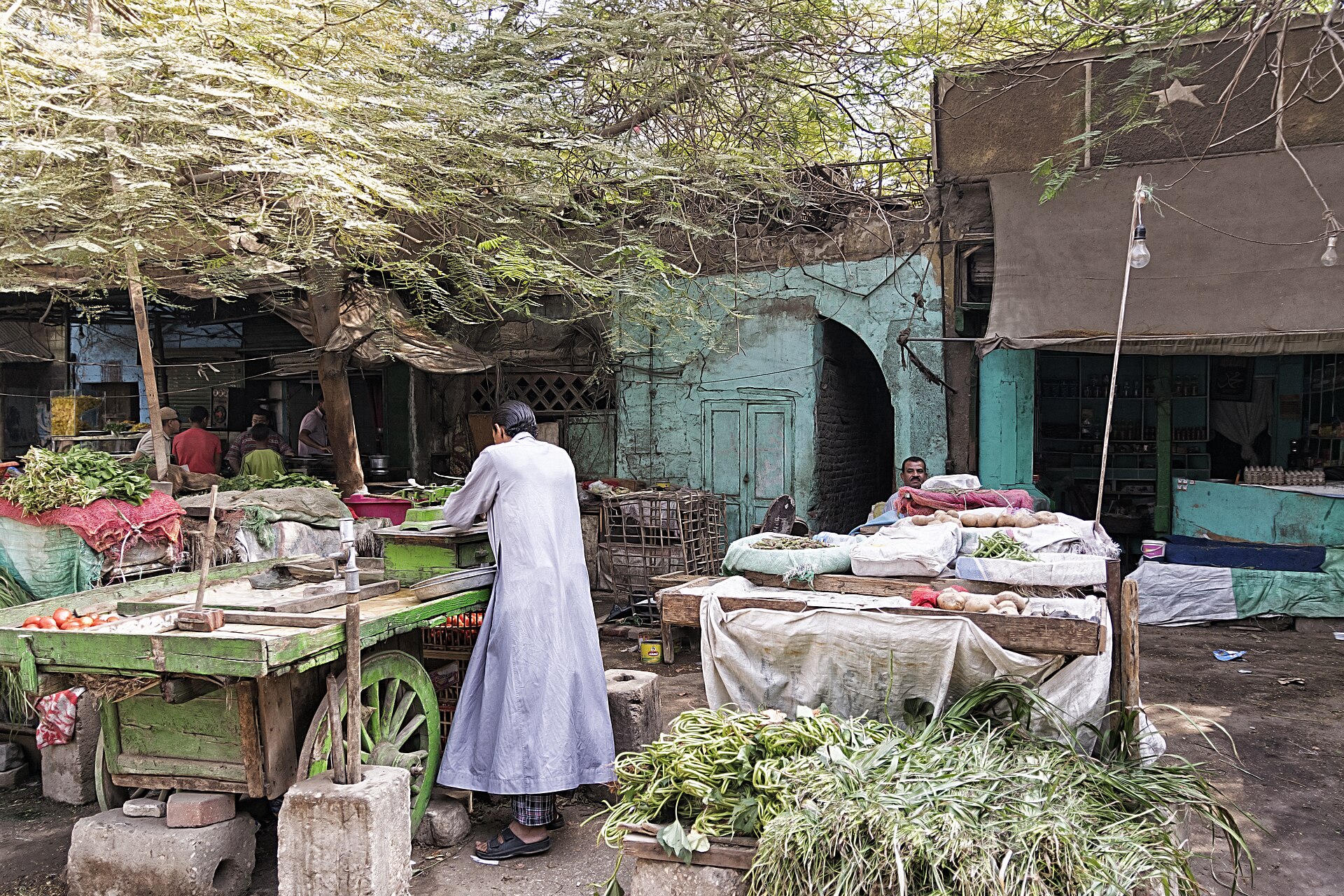
A street vegetable market in Egypt, where fresh tomatoes, onions and herbs are bought daily. Photo: Wael.kenawey via Wikimedia Commons, CC BY-SA 4.0.
Quick answer: Pico de gallo and coleslaw are two of the simplest sides in the world, and that's exactly why they're a supply chain story. Both are raw. There's no cooking step to hide a soft tomato or a tired onion. In Egypt, tomato prices are swinging through a seasonal handoff and a pest problem. In Saudi Arabia, local farms now cover most of the tomato supply but less of the onion and carrot supply. If you make, sell or serve fresh-prep foods in either market, your recipe is only as steady as your produce calendar.
I always tell teams: the fewer ingredients a product has, the less room you have to hide. A chopped salsa of tomato, onion, chili, lime and herbs, or a slaw of shredded cabbage and carrot in a creamy dressing, is a direct read on the quality of what came off the truck that morning.
So when fresh sides like these get people's attention in Cairo and Riyadh, I look at the produce markets behind them.
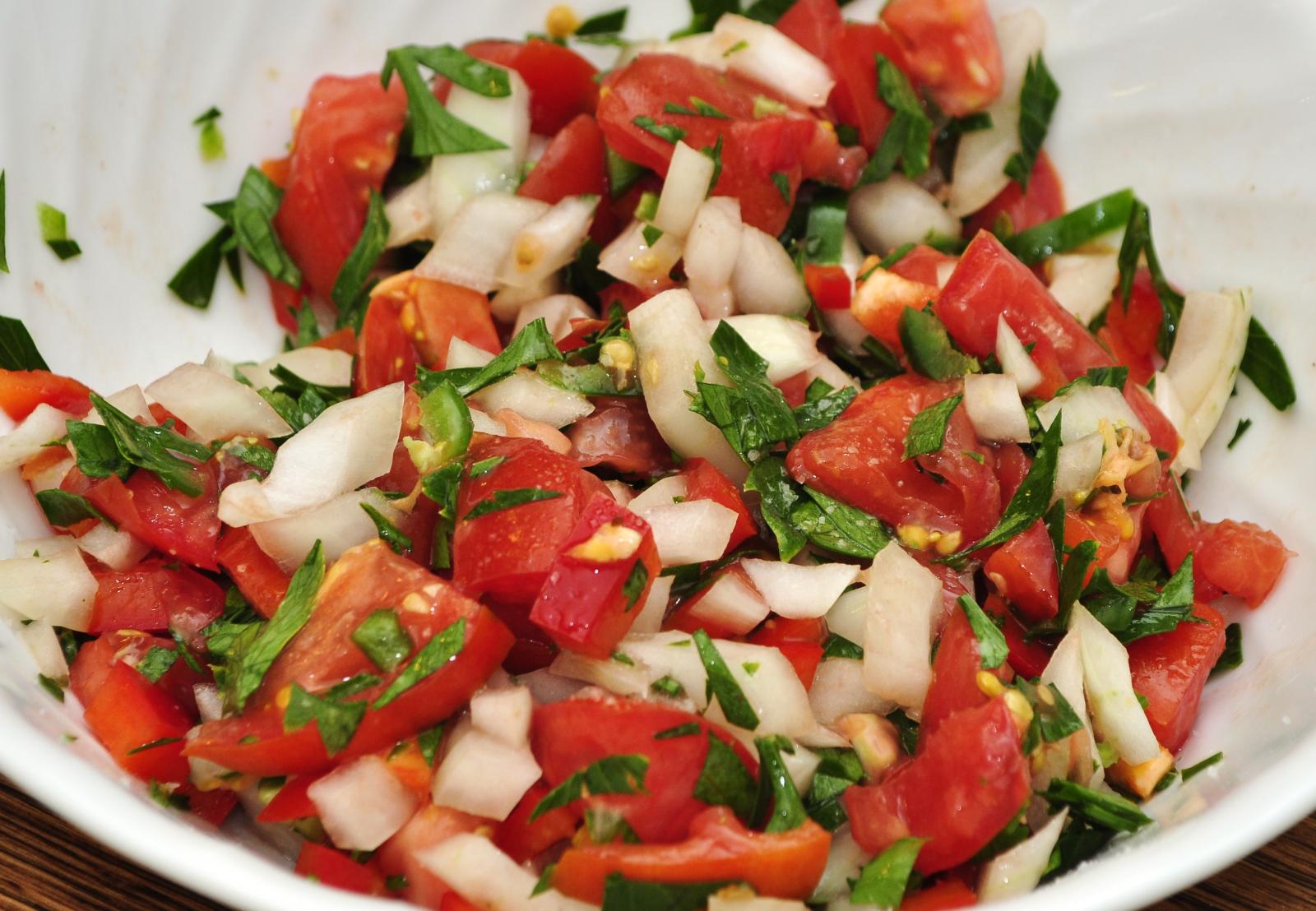
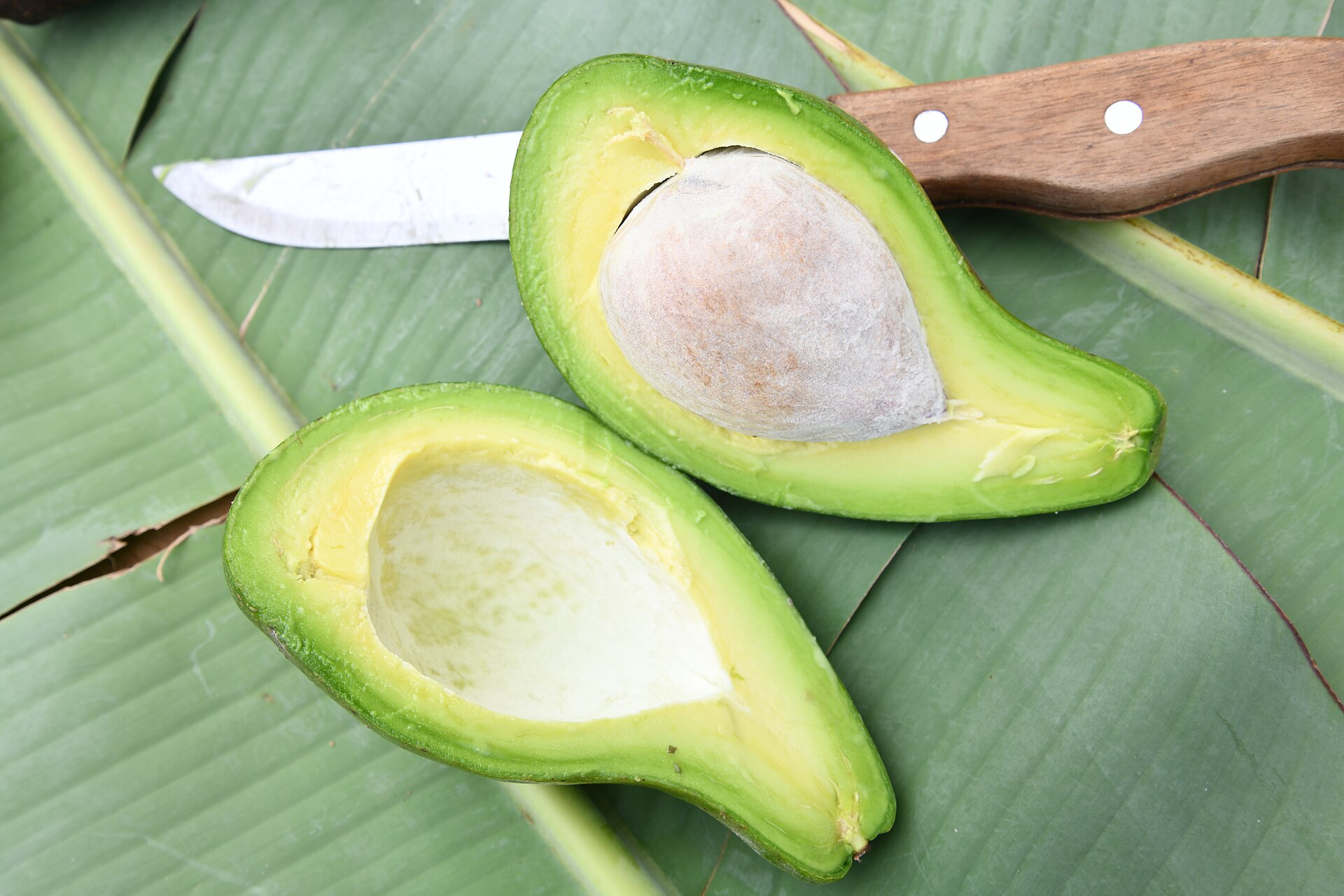
Pico de gallo: tomato, onion, chili, lime and herbs, with nothing cooked to hide a weak ingredient. Photo: jeffreyw via Wikimedia Commons, CC BY 2.0.
Egypt: a tomato market in transition
Journey Ingredient Intelligence
Onions
A street vegetable market in Egypt, where fresh tomatoes, onions and herbs are bought daily.
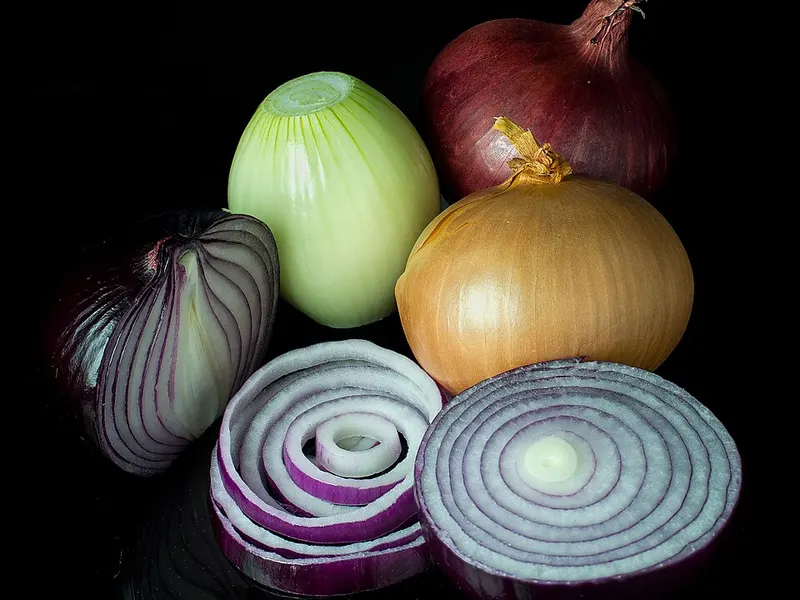
Onions: 40 kcal and 1.1 g protein per 100 g; top producer India (22.4%, 2024); 0.5 kg CO2e per kg.
Tomatoes are the heart of pico de gallo, and in Egypt they've had a bumpy fall.
In early October, Cairo24 reported prices were fluctuating because of the gap between growing seasons and because some of the crop was hit by Tuta absoluta, the tomato leafminer. Wholesale prices at Cairo's Obour market ran 7.5 to 12.5 Egyptian pounds per kilo, with consumer prices starting at 14 pounds. Egypt's Ministry of Agriculture said the autumn harvest had started in governorates including Beheira, Wadi El Natrun, Nubariya, Alexandria, Ismailia, Sohag, Qena and Luxor, and expected supply to keep improving. An agricultural source quoted in the same report tied the earlier price jump to the transition between seasons, after July and August heat hurt some late summer plantings (Cairo24, Oct 10).
Not everyone saw a crisis. Hatem El Naggib, deputy head of the vegetables and fruit division at the Cairo Chamber of Commerce, told El Watan that retail tomato prices were between 15 and 20 pounds in most markets, with no shortage, and he questioned claims that 70% of the crop was damaged (El Watan, Oct 6).
By October 19, Obour wholesale prices ranged from 7 to 15 pounds per kilo. El Naggib described the market as moving from the end of the summer season into winter and expected some items to ease gradually as production rises (Cairo24, Oct 19).
The takeaway for fresh-prep: the risk isn't one bad week. It's the handoff between seasons, when quality and price both wobble.
Saudi Arabia: more local, not fully local
Saudi Arabia's General Authority for Statistics reports that tomato self-sufficiency reached 83% in 2024, up from 76% in 2023. Peppers were at 78% and onions at 72%. Per capita availability was about 19.56 kg of tomatoes and 20.5 kg of onions for the year (GASTAT Food Security Statistics 2024).
For coleslaw, carrots held at 60% self-sufficiency, and table eggs, the base of a classic mayonnaise dressing, reached 103% (Argaam, citing GASTAT).
Journey Ingredient Intelligence
Carrots
In Saudi Arabia, local farms now cover most of the tomato supply but less of the onion and carrot supply.
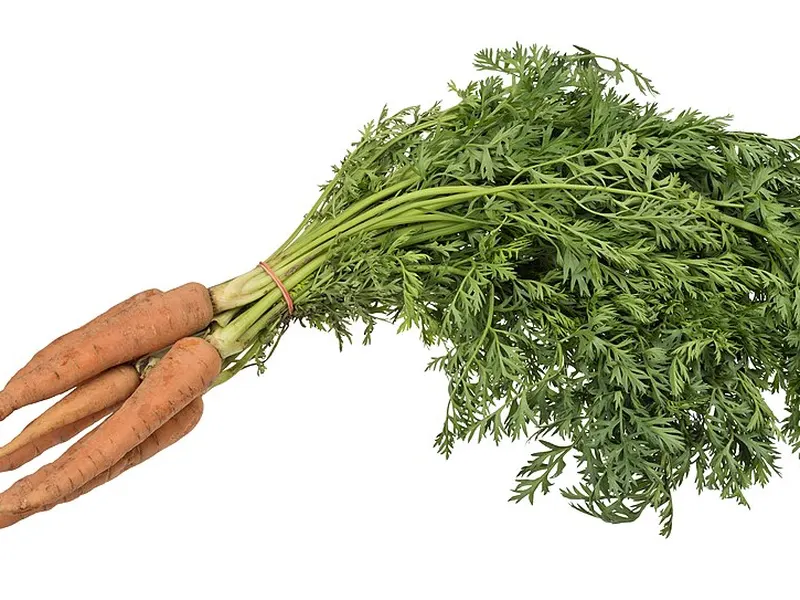
Carrots: 41 kcal and 0.9 g protein per 100 g; top producer China (42.2%, 2024); 0.43 kg CO2e per kg.
Put those together and a single bowl of slaw or pico in Riyadh can easily mix local and imported produce. That's not a problem. It just means your spec sheet should know which is which, and when each one is in season.
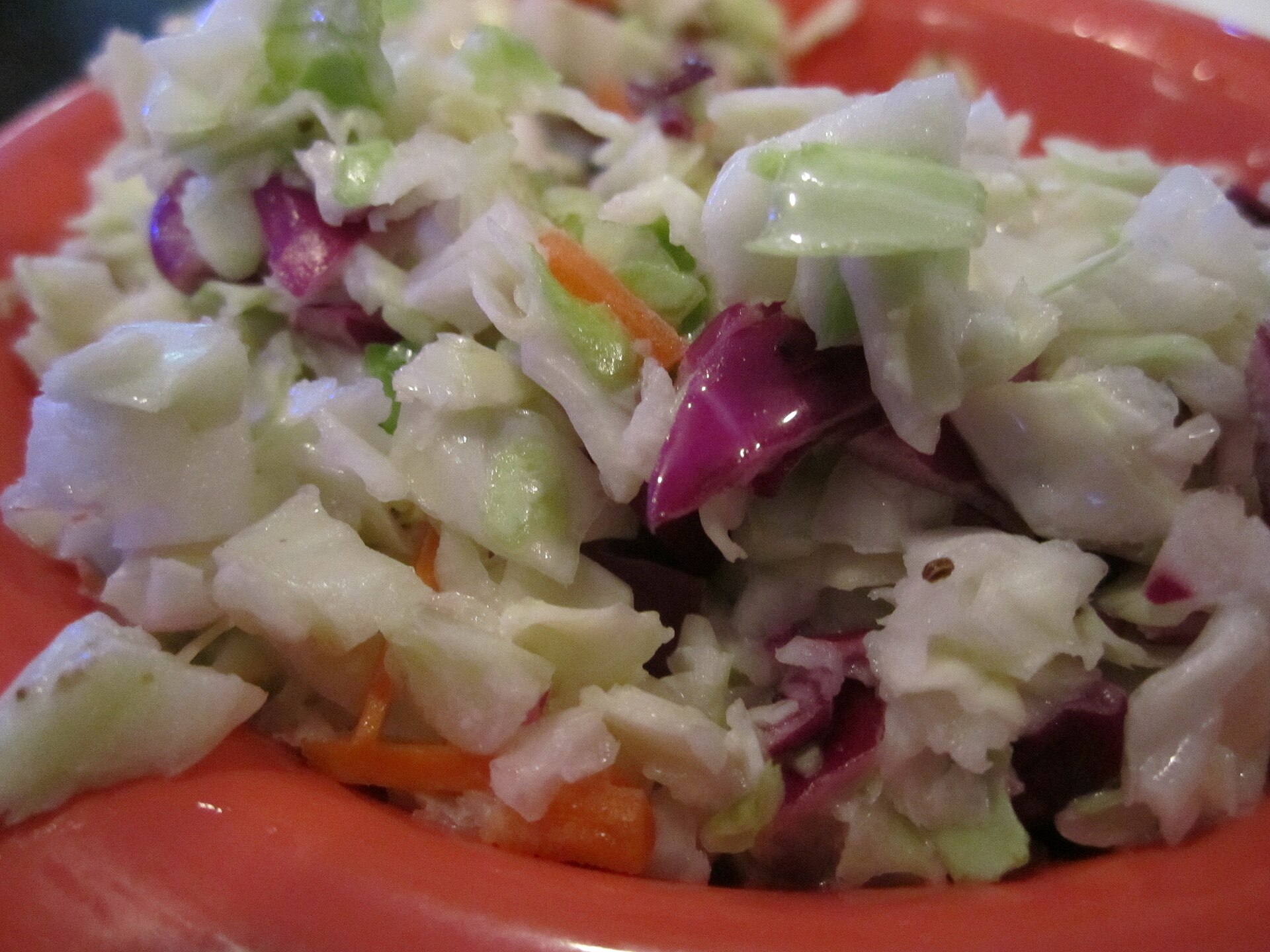
Coleslaw: shredded cabbage and carrot in a creamy dressing. Photo: Stanistani via Wikimedia Commons, CC BY-SA 3.0.
What I'd tell a fresh-prep team
Build your calendar around handoffs. In Egypt, the gap between summer and autumn tomato crops is where price and quality move. Plan specs and buffer stock for those weeks.
Know local versus imported, ingredient by ingredient. In Saudi Arabia, tomatoes are mostly local now, while onions and carrots lean more on imports. Different origins mean different lead times and risks.
Write specs for raw use. A tomato headed for sauce and a tomato headed for pico are not the same purchase. Firmness, color and shelf life matter more when nothing gets cooked.
Keep a pest and weather watch. A leafminer outbreak or a heat wave shows up in your cost before it shows up in the news.
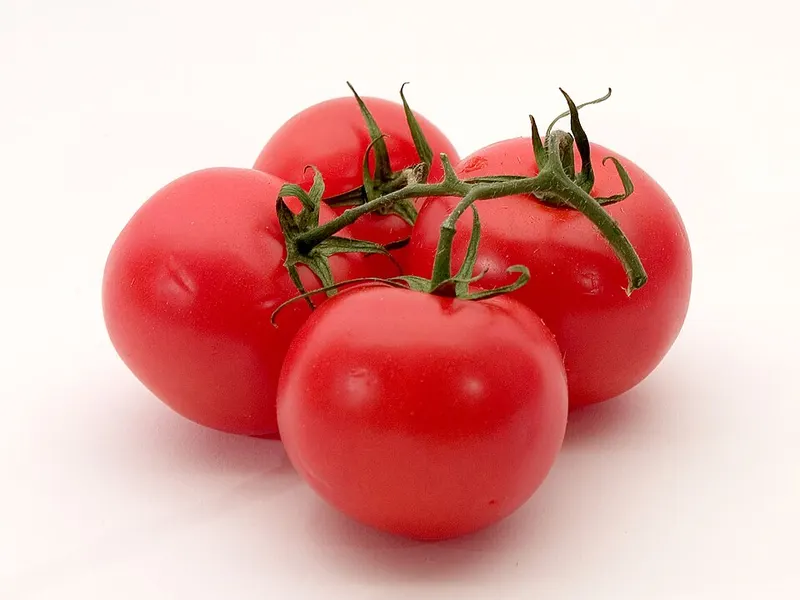
Journey Ingredient Intelligence
Tomatoes
A street vegetable market in Egypt, where fresh tomatoes, onions and herbs are bought daily.
Tomatoes: 18 kcal and 0.9 g protein per 100 g; top producer China (32.7%, 2024); 2.09 kg CO2e per kg.
Let the dressing be your stable layer. Oils, vinegars, citrus and egg-based dressings can be planned further out than fresh produce. Lean on them for consistency.
Food is always local, even when the recipe travels. Our free report, Deprivation Is Not Destiny, makes that case from a national Canadian study: poorer neighbourhoods do not uniformly eat worse, and the picture changes depending on who lives there. Fresh sides in Cairo and Riyadh are a good reminder to design for the real market in front of you, not a generic shopper.
Journey connects the world's product, ingredient, supplier and packaging data so people and AI agents can search and act on it: 12 million ingredients, 1.2 million of them audited. Sign in or start free.
Free reports and white papers: journeyfoods.io/reports
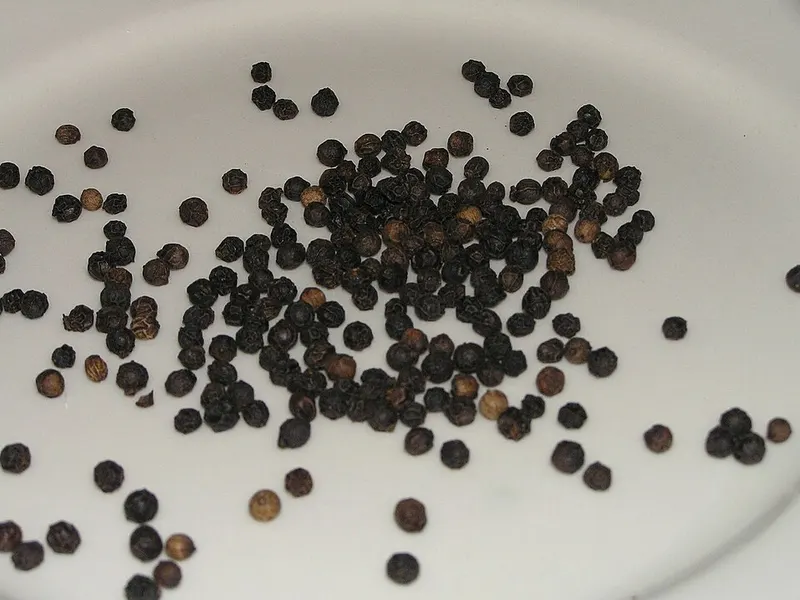
Journey Ingredient Intelligence
Black pepper
Peppers were at 78% and onions at 72%.
Black pepper: 251 kcal and 10.4 g protein per 100 g; top producer Vietnam (28.1%, 2024); 9.4 kg CO2e per kg.
Explore Black pepper dataAs published
83%
Journey Ingredient Intelligence · Comparison
Onions
Carrots
Data from this story
Shareable Journey Intelligence
Pico de Gallo in Cairo, Coleslaw in Riyadh: The Supply Chain Behind Two Simple Sides
Industry Insights
83%
Saudi Arabia: more local, not fully local Saudi Arabia's General Authority for Statistics reports that tomato self-sufficiency reached 83% in 2024, up from 76% in 2023.
78%
Peppers were at 78% and onions at 72%.