Nabe Season Meets a Cabbage Shock. Here's What Hot Pot Teaches Product Teams.

Quick answer
Japan's hot pot season starts with napa cabbage at record prices. What nabe ingredients, shopper swaps and Mizkan's new broths teach product teams.
Run it through Journey.Sign upBook a demo
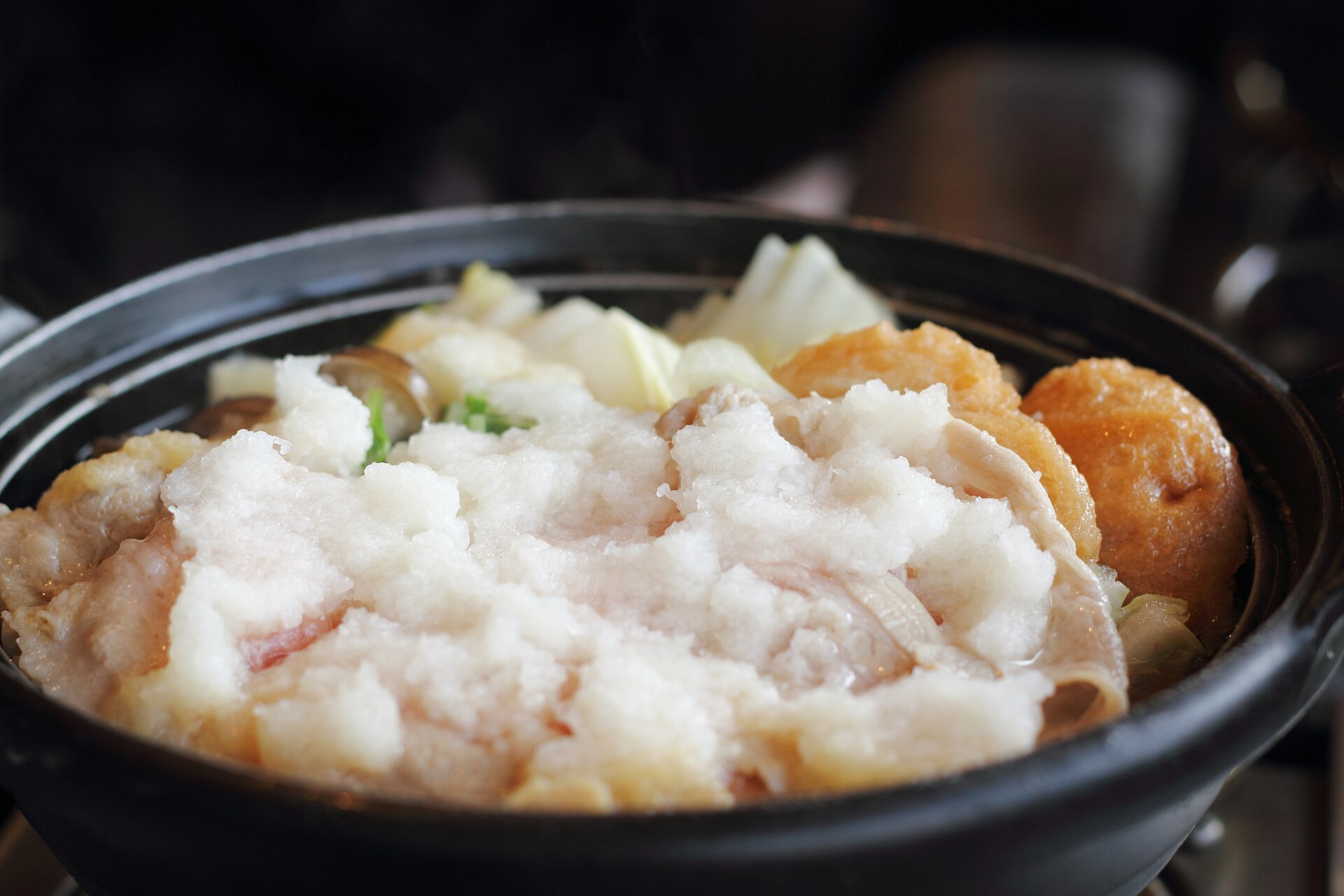
Mizore nabe from Matsudo, Japan, topped with grated daikon. Root vegetables like daikon stayed affordable this fall. Photo: t-mizo via Wikimedia Commons, CC BY 2.0.
Quick answer: Nabe, Japan's shared hot pot, is a broth plus whatever is good that week: napa cabbage, leeks, mushrooms, tofu, chicken. This fall, weeks of rain pushed leafy vegetable prices way up right as nabe season begins. Shoppers are swapping ingredients, and the category leader in soup bases is betting on flavors that feel safe but new. The lesson for product teams: build the base, and let the rest of the pot flex with the market.
I love nabe as a product idea. One pot, one table, everyone reaching in. It's a meal format that has always assumed the vegetable drawer changes with the season. This year that assumption is getting tested.
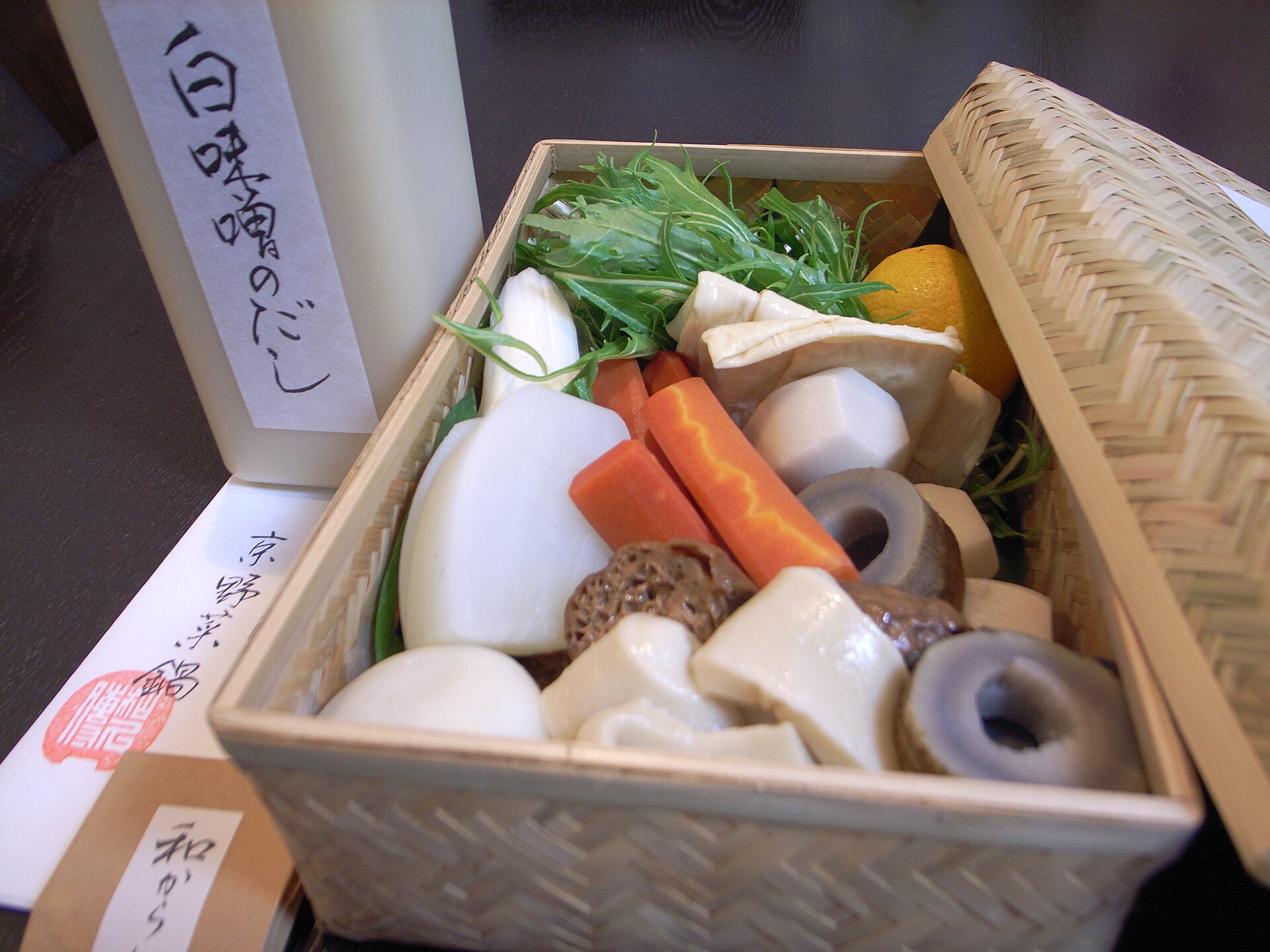
A Kyoto vegetable set packed for nabe and sold as a seasonal gift. Hot pot has always been built around what's in season. Photo: kazuh from Kyoto via Wikimedia Commons, CC BY 2.0.
The cabbage shock
Napa cabbage (hakusai) is the backbone of most nabe. Its wholesale price was 66 yen per kilo in September and had jumped to 208 yen by early October. Some greengrocers in the Kanto region were charging more than 1,400 yen for a single head (TBS NEWS DIG).
Japan's agriculture ministry expected napa cabbage, lettuce and green peppers to run more than 30% above normal prices in October, with spinach and eggplant 10% to 30% above normal, citing long rains and too little sunshine (NHK).
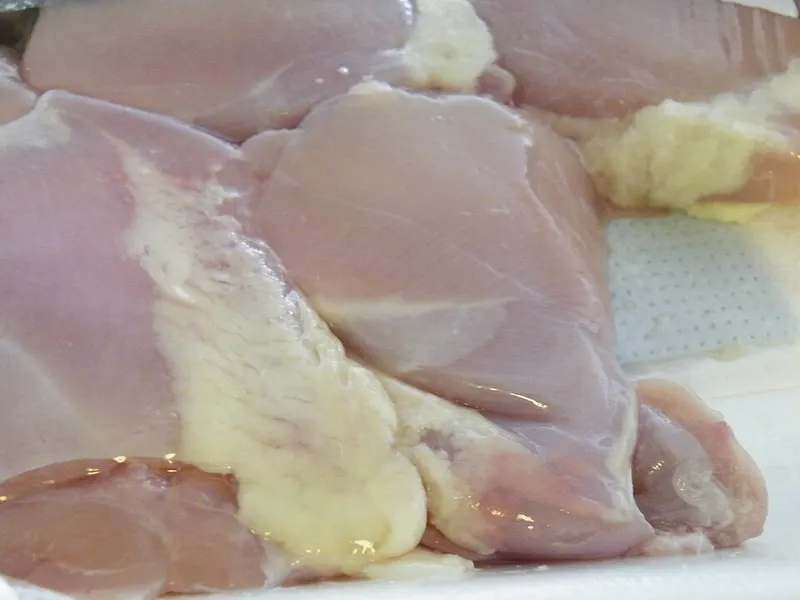
Journey Ingredient Intelligence
Chicken
Quick answer: Nabe, Japan's shared hot pot, is a broth plus whatever is good that week: napa cabbage, leeks, mushrooms, tofu, chicken.
Chicken: 119 kcal and 21.4 g protein per 100 g; top producer United States (15.7%, 2024); 9.87 kg CO2e per kg.
By mid-October, Tokyo wholesale prices for napa cabbage and cabbage were about double normal, and lettuce about 2.5 times. Growing regions on Honshu saw record rain and low sunshine, so Hokkaido cabbage got shipped toward Tokyo, which pushed prices up in Sapporo too. One Sapporo store had napa cabbage at 734 yen a head (FNN Prime Online).
It isn't just greens. A report from Oita found cabbage at 1.7 times its usual price, mizuna at 1.5 times, and chicken up about 30% from a year earlier (FNN via Chiba TV).
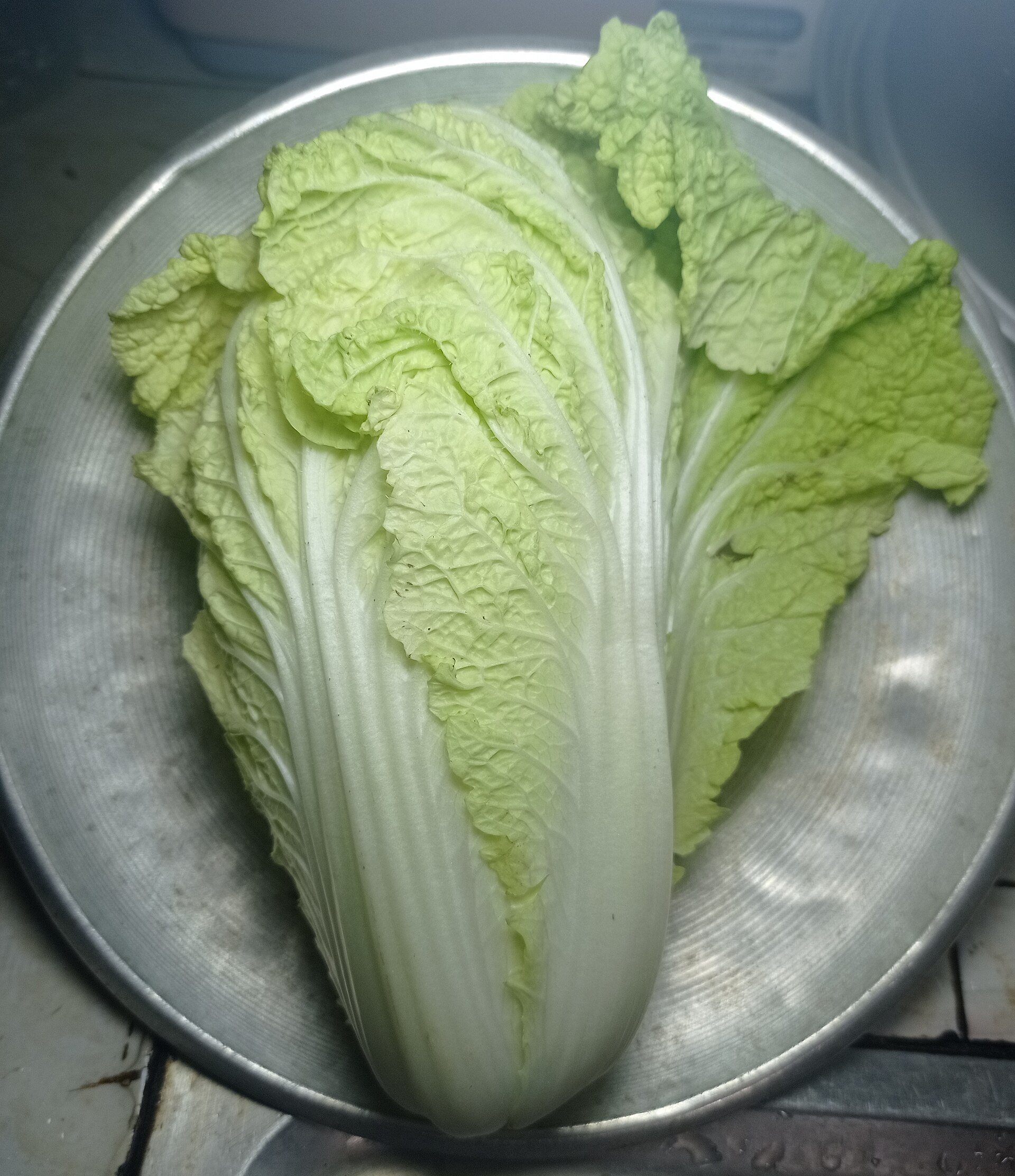
Napa cabbage, the backbone of most nabe, and the vegetable hit hardest by this fall's rain. Photo: SarKaLay စာကလေး via Wikimedia Commons, CC BY-SA 4.0.
How people are cooking around it
This is the part I find most useful. The Sapporo grocer FNN interviewed suggested kimchi nabe: kimchi is already full of napa cabbage that was bought earlier, so its price is unlikely to spike. He also pointed to mushrooms, which hold steady because they depend less on weather, plus leeks, which are reasonably priced, and cheap root vegetables like daikon for oden (FNN Prime Online).
Read that again as a product brief. A processed, fermented ingredient became the price hedge for a fresh one. A shelf-stable format protected the meal.
What the category leader is building
Mizkan's 〆鍋 (Shime Nabe) brand says it has been the No. 1 nabe soup base by share for 13 straight years. In August it launched two ready-to-use broths, chicken umami salt and yuzu salt, in 750 g pouches at a suggested 413 yen before tax (Mizkan via PR TIMES).
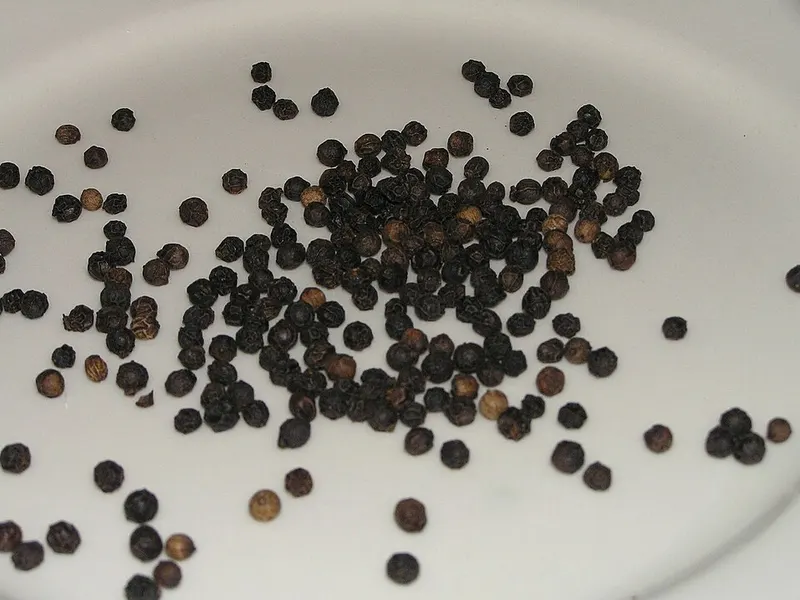
Journey Ingredient Intelligence
Black pepper
Japan's agriculture ministry expected napa cabbage, lettuce and green peppers to run more than 30% above normal prices in October, with spinach and eggplant 10% to 30%…
Black pepper: 251 kcal and 10.4 g protein per 100 g; top producer Vietnam (28.1%, 2024); 9.4 kg CO2e per kg.
Explore Black pepper dataThe reasoning is worth stealing. In a Mizkan survey of 8,246 people in February 2026, 65% said they don't want meals at home to fail. Mizkan connects that to rising food prices and busy cooks. People want a reliable base, with a little novelty.
And the technical story is the real story:
The chicken broth uses a chicken paste made by browning chicken meat itself through the Maillard reaction, not just simmering bones. Mizkan says it spent 14 years searching for it.
The yuzu broth took 16 years. Yuzu aroma tends to fade during retort sterilization, gets absorbed by the pouch, and evaporates while the pot simmers. Mizkan says its own technology keeps the yuzu aroma going through the last bite.
The pack uses recycled and biomass PET, and best-before dates show year and month to help cut food waste across the supply chain.
What hot pot teaches product teams
Own the base. Let the fresh part flex. A great broth works with cabbage at 66 yen or 208 yen. Design products that don't break when one fresh input spikes.
Stable ingredients are a feature. Mushrooms, root vegetables and fermented foods carried shoppers through this squeeze. Those are your hedges too.
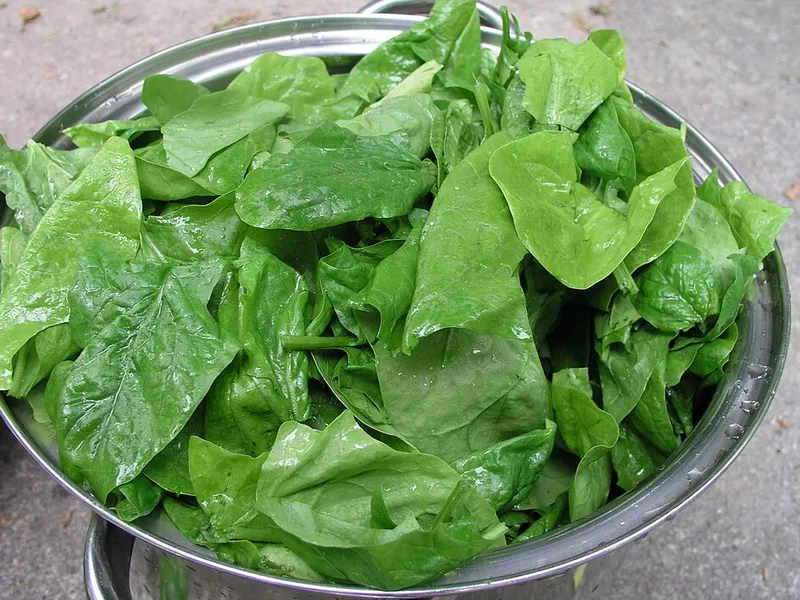
Journey Ingredient Intelligence
Spinach
Japan's agriculture ministry expected napa cabbage, lettuce and green peppers to run more than 30% above normal prices in October, with spinach and eggplant 10% to 30%…
Spinach: 23 kcal and 2.9 g protein per 100 g; top producer China (92.2%, 2024); 0.53 kg CO2e per kg.
Flavor stability is engineering. Volatile aromas like citrus peel fight heat, time and packaging. That's a formulation problem before it's a marketing one.
Packaging is part of the recipe. If a pouch can absorb your aroma, the pack choice is a flavor choice.
That last point is why I'd send anyone working on liquid bases to our free report, Our Packaging Future. It covers bio-based materials, why the chemistry of the pack still matters, and what happens to it after it leaves the shelf.
Nabe has always been about sharing what's in season. This year it's also a quiet case study in building food that holds up when the season doesn't cooperate.
Journey connects the world's product, ingredient, supplier and packaging data so people and AI agents can search and act on it: 12 million ingredients, 1.2 million of them audited. Sign in or start free.
Free reports and white papers: journeyfoods.io/reports
Journey Ingredient Intelligence
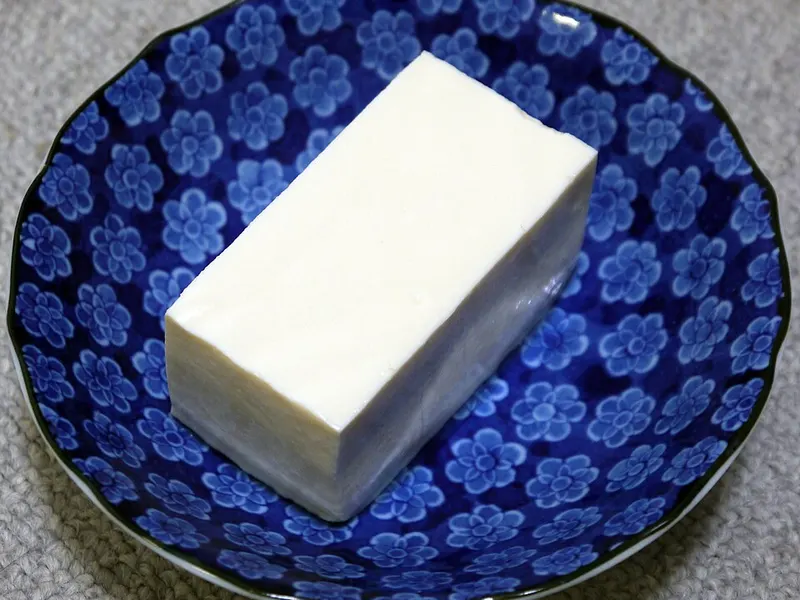
Tofu
Quick answer: Nabe, Japan's shared hot pot, is a broth plus whatever is good that week: napa cabbage, leeks, mushrooms, tofu, chicken.
Tofu: 83 kcal and 10.0 g protein per 100 g; top producer Brazil (36.3%, 2024); 3.16 kg CO2e per kg.
Explore Tofu dataAs published
30%
Journey Ingredient Intelligence · Comparison
Chicken
Black pepper
Data from this story
Shareable Journey Intelligence
Nabe Season Meets a Cabbage Shock. Here's What Hot Pot Teaches Product Teams.
Industry Insights
30%
A report from Oita found cabbage at 1.7 times its usual price, mizuna at 1.5 times, and chicken up about 30% from a year earlier ( FNN via Chiba TV ).
65%
In a Mizkan survey of 8,246 people in February 2026, 65% said they don't want meals at home to fail.