Quick answer
Savor's carbon-based butter put GRAS in the spotlight. Here is what FDA's proposed mandatory GRAS notice rule and the REAL Butter Act could mean for CPG brands.
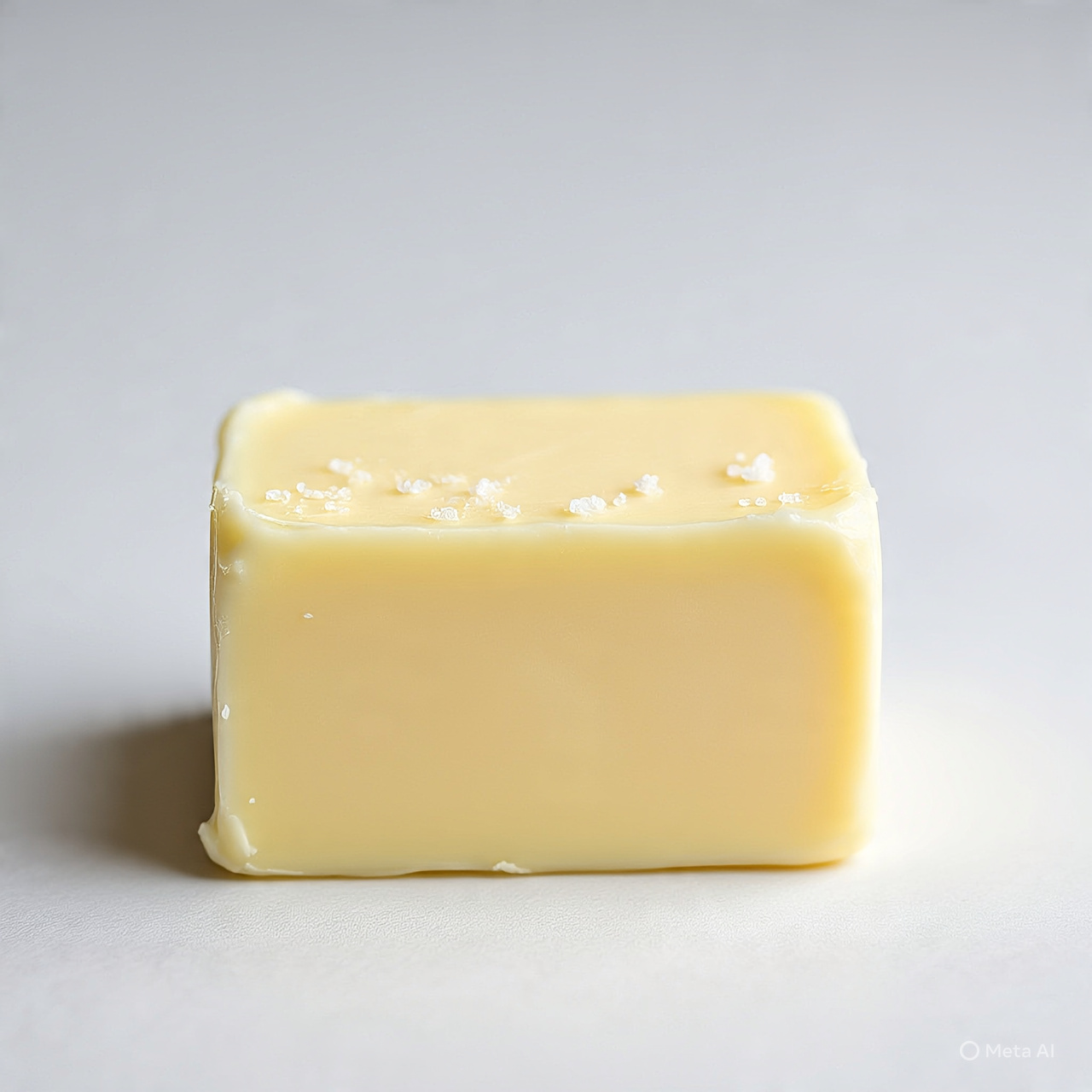
Photo: Savor, from its March 2025 launch release via PR Newswire.
This post started with a thread. On Oct 14, Grant Stoll (@grantonsoil), founder of Localize Food, asked a simple question about a butter made without cows: how is it on the market without FDA approval? It's a good question, and the answer says a lot about where U.S. ingredient rules are heading.
We checked each claim in the thread against primary sources. Here's what holds up, and what it means for brands.
What Savor makes
Savor, a San Jose company founded in 2022, announced the commercial launch of its animal-free and plant-free butter on March 20, 2025. The company says its fats are built from captured carbon dioxide, green hydrogen and methane, without conventional agriculture. It opened a 25,000 square foot pilot facility in Batavia, Illinois.
Savor is backed by Breakthrough Energy Ventures, the climate fund founded by Bill Gates (Food Dive). At launch, Savor named Michelin-starred SingleThread, ONE65 and Jane the Bakery as set to be among its first customers that year. Chefs at SingleThread, Atelier Crenn and ONE65 were early evaluators.
How it reached the market: self-affirmed GRAS
GRAS stands for "generally recognized as safe." Under current law, a company can conclude on its own that an ingredient is GRAS for its intended use and sell it, without notifying FDA. FDA's notification program is voluntary.
Savor's launch release says it achieved self-affirmed GRAS status. That's a company determination, not an FDA approval. FoodNavigator reported at the time that Savor was seeking a "no questions" letter from FDA and had held pre-notification meetings with the agency. So the thread's framing is accurate on the law, with one nuance: "without FDA approval" describes how most self-affirmed GRAS ingredients reach shelves, lab-made or not.
What FDA proposed in August
Journey Ingredient Intelligence
Butter (Salted)
On Oct 14, Grant Stoll ( @grantonsoil ), founder of Localize Food, asked a simple question about a butter made without cows: how is it on the market without FDA approval?
An edible oil extracted from the kernel of mature coconuts.
On Aug 10, HHS Secretary Robert F. Kennedy Jr. announced a proposed rule to change that. At the event he said, "Industry hijacked the loophole and drove a convoy of chemical trucks through it straight into the American food supply" (The Hill). He also noted that FDA does not have a complete picture of what is entering the food supply.
The rule itself was published in the Federal Register on Aug 11, 2026 (Docket FDA-2025-N-3262). If finalized, it would:
- Require GRAS notices for substances companies conclude are GRAS, in human and animal food, including food contact substances, with exceptions such as substances FDA already authorized.
- Not require premarket approval. Per Covington and Arnold & Porter, products could go to market before FDA finishes its review.
- Add a streamlined submission for self-determined GRAS substances already on the market, due within one year of the effective date.
- Phase in timing: effective 60 days after a final rule, with mandatory notices required 18 months after that.
Comments are open until Dec 9, 2026.
So the thread is right that the proposal is notification, not approval. It's also a real shift: FDA would see every self-affirmed ingredient, and its responses would generally be public. For brands, that public record matters as much as the rule.
The REAL Butter Act
Congress is looking at the label side. H.R. 9387, the "Recognizing Engineered Alternatives as Lab-Created Butter Act," was introduced June 22, 2026 and referred to the House Energy and Commerce Committee. It would require products marketed as butter that use milkfat synthesized through non-agricultural processes, and that don't meet the federal standard of identity for butter, to carry "lab-created butter" or "contains lab-created butter" right before the product name. It has sponsors from both parties and has not advanced past committee.
What this means for CPG brands
Whether you're excited about new fats or skeptical of them, the direction is the same: more disclosure about what goes into food, and more scrutiny on how it's labeled. Three practical moves:
1. Know the GRAS basis for every ingredient you buy. Is it FDA-authorized, covered by a "no questions" letter, or self-affirmed by your supplier? Today many brands couldn't answer that for their full ingredient list. Under the proposed rule, the answer could show up in a public FDA record.
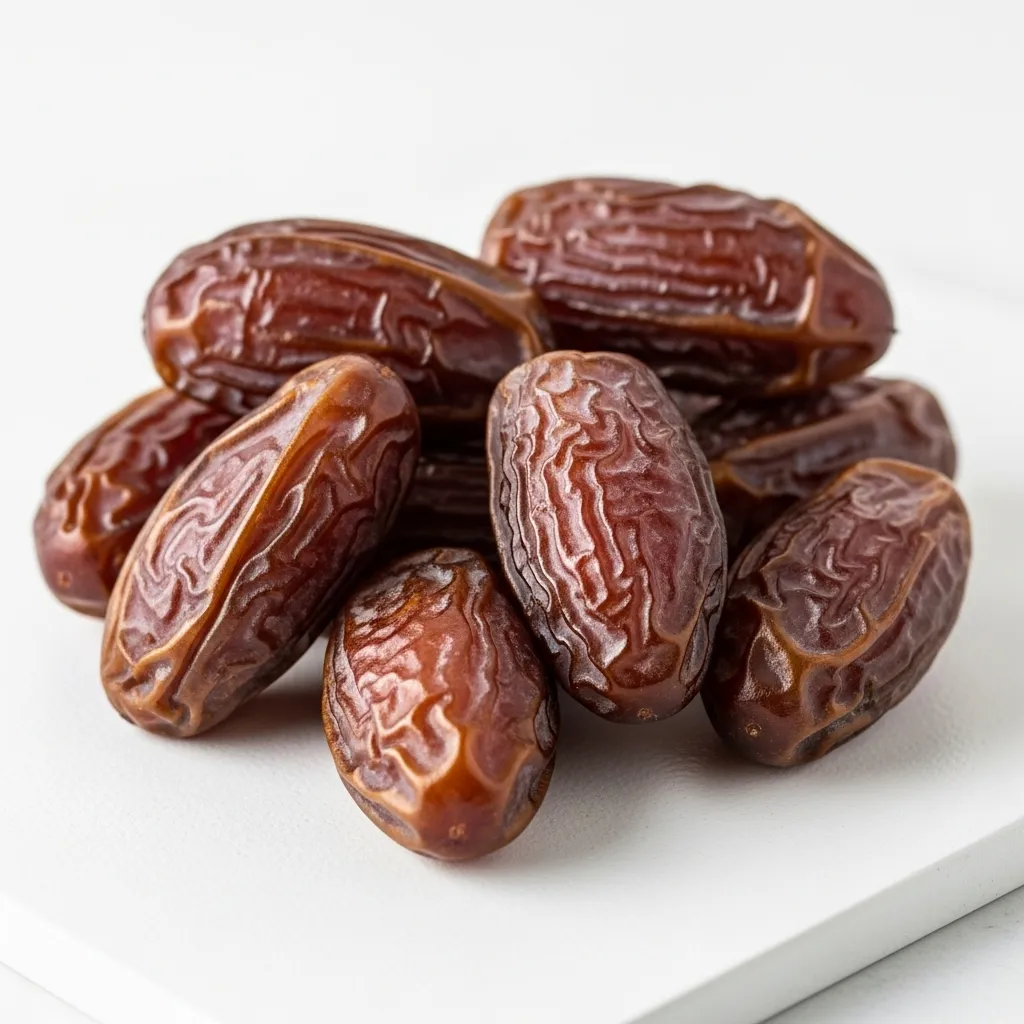
Journey Ingredient Intelligence
Date
Add a streamlined submission for self-determined GRAS substances already on the market, due within one year of the effective date.
A South American tree in the family Lecythidaceae.
Nutrition. Date has a nutrition profile including 1279 kcal/lb calories, 11.11 g/lb protein, 36.29 g/lb fiber, and 287.35 g/lb total sugars.
Cost. Date is currently priced at $16.64/kg.
Sustainability. Journey AI evaluates ingredient sustainability using environmental indicators such as water usage, greenhouse gas emissions, and upcycled status.
2. Plan for supplier change. Some self-affirmed ingredients may get a notice that FDA questions. If one is in your product, you'll want a vetted alternative ready, with cost and nutrition already modeled.
3. Watch labels, not just ingredients. The REAL Butter Act is one bill, but it signals that terms like "butter," and how novel inputs are disclosed, are in play. Claims that work today may need new language.
We've seen the same pattern in our work on ultra-processed foods and UAE salt, sugar and fat limits: rules tighten in steps, and brands with clean ingredient data move first.
How Journey Foods helps
Transparency is a data problem before it's a label problem. Journey Foods is built for it:
- Ingredient intelligence: see each ingredient's source, supplier, nutrition and cost in one place, and compare alternatives side by side.
- Claims and compliance agent: checks your formulas and label claims against regulations and retailer standards, and flags what needs a closer look.
- GRAS and labeling tracking: tag the regulatory basis for each ingredient across your portfolio, so if a rule or a notice changes, you see every affected product at once.
The proposed rule is still open for comment, and the bill is still in committee. Neither has to catch you off guard. For weekly updates on food policy and prices, follow our blog.
Sign in to Journey Foods to map the GRAS status and label risk across your products.
Stay easy, Riana & Team 🌱

Journey Ingredient Intelligence
Salt
We've seen the same pattern in our work on ultra-processed foods and UAE salt, sugar and fat limits : rules tighten in steps, and brands with clean ingredient data mov…
Oat groats that have been de-husked and steamed.
Journey Ingredient Intelligence · Comparison
Butter (Salted)
Date
Data from this story