Quick answer
Journey Foods Nutrition Scores: A Comparative Look We've been tracking the nutritional value of our team's journey foods, using a simplified scoring system (0-100, higher is better
Journey Foods Nutrition Scores: A Comparative Look
We've been tracking the nutritional value of our team's journey foods, using a simplified scoring system (0-100, higher is better). This isn't a substitute for professional nutritional analysis, but it gives us a general idea of the nutritional quality.
This week's focus: Strawberry Pop-tarts!
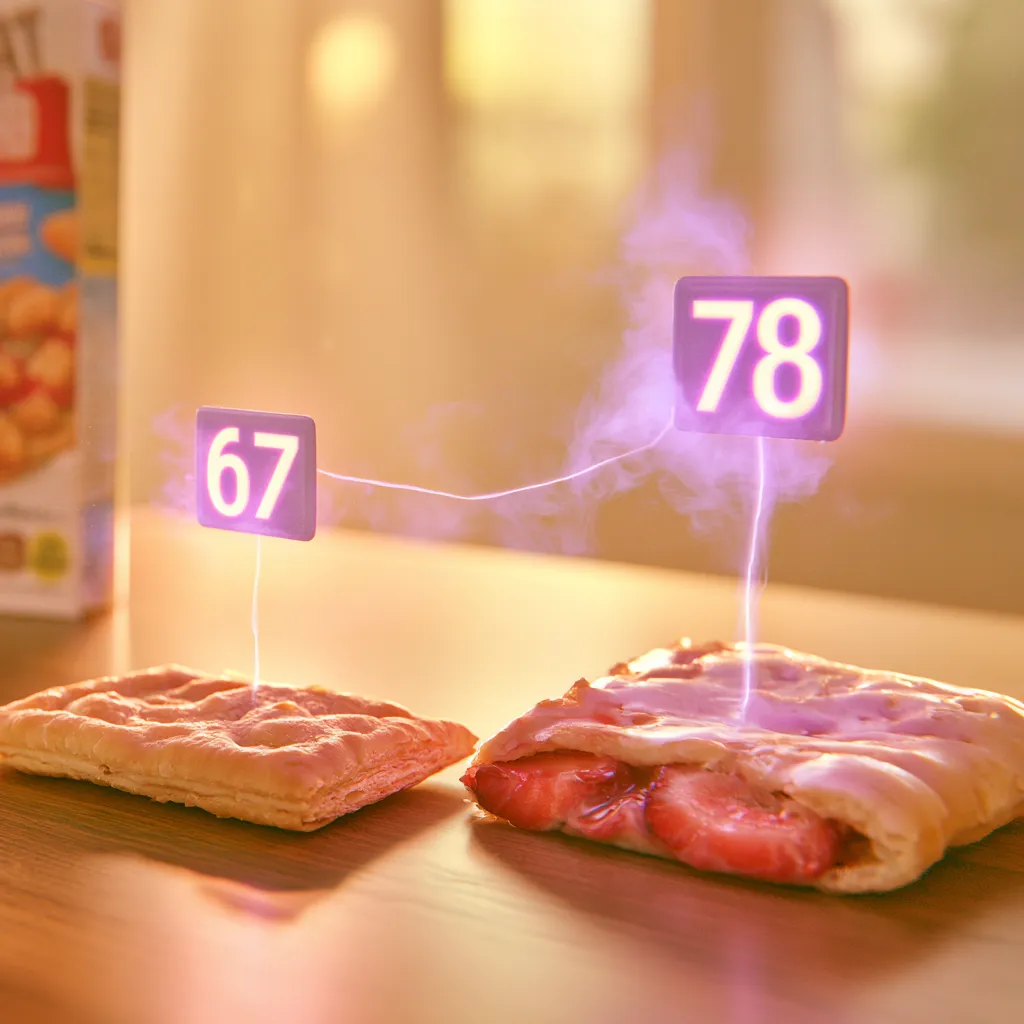
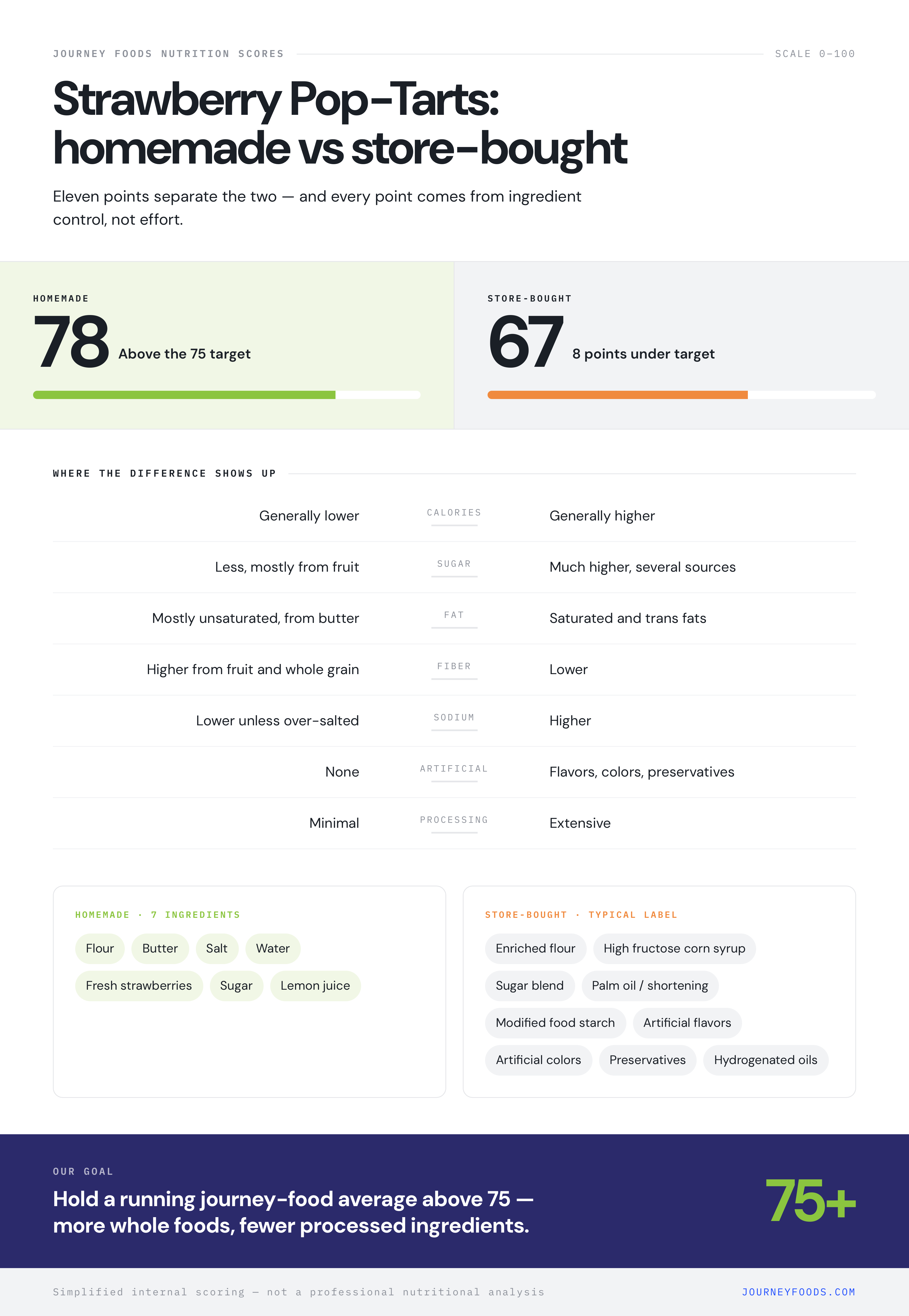
- Store-bought Strawberry Pop-tarts: Nutrition Score: 67 This score reflects the high sugar content, presence of unhealthy fats, and numerous processed ingredients in typical store-bought versions. The lower score highlights the need for moderation with these convenient treats.
- Homemade Strawberry Pop-tarts: Nutrition Score: 78 Our homemade version boasts a significantly higher score. This improvement stems from using fresh fruit, less added sugar, and the absence of artificial ingredients. While still a treat, the homemade version provides a more balanced nutritional profile.
Journey Ingredient Intelligence
Palm oil
Vegetable Shortening/Palm Oil: Solid fats that contribute to texture.
Palm oil: 884 kcal and 0.0 g protein per 100 g; top producer Indonesia (59.2%, 2023); 7.32 kg CO2e per kg.
Explore Palm oil dataFuture Goals: We aim to maintain a journey food nutrition score average above 75 by incorporating a variety of whole foods, minimizing processed ingredients, and focusing on balanced meals and snacks. We'll continue tracking our progress and sharing our findings. Stay tuned for more updates on our culinary adventures!
Homemade Strawberry Pop-Tarts vs. Store-Bought: A Nutritional Showdown
Let's break down the ingredients and nutritional differences between homemade and store-bought strawberry pop-tarts. This comparison is generalized, as specific nutritional values vary widely depending on brands and homemade recipe variations.
Homemade Strawberry Pop-Tart Ingredients:
Journey Ingredient Intelligence
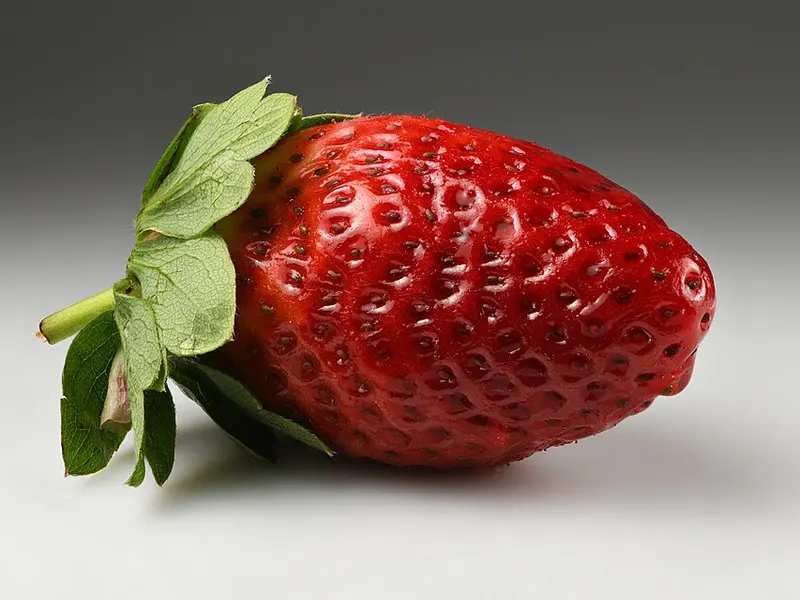
Strawberries
Homemade Strawberry Pop-Tart Ingredients: Pastry: All-purpose flour, unsalted butter, salt, water (possibly sugar and/or an egg for richness) Filling: Fresh strawberri…
Strawberries: 32 kcal and 0.7 g protein per 100 g; top producer China (38.4%, 2024); 1.53 kg CO2e per kg.
Explore Strawberries data- Pastry: All-purpose flour, unsalted butter, salt, water (possibly sugar and/or an egg for richness)
- Filling: Fresh strawberries, sugar (granulated or powdered), lemon juice (optional)
- Glaze: Powdered sugar, milk or lemon juice
Store-Bought Strawberry Pop-Tart Ingredients (Typical):
- Enriched Flour: Flour with added vitamins and minerals.
- High Fructose Corn Syrup: A cheaper, sweeter alternative to sugar.
- Sugar: Often a combination of different sugars.
- Vegetable Shortening/Palm Oil: Solid fats that contribute to texture.
- Modified Food Starch: Used as a thickener.
- Artificial Flavors and Colors: Enhance taste and appearance.
- Preservatives: Extend shelf life.
- Artificial Sweeteners (sometimes): Reduce sugar content but may have other health implications.
- Hydrogenated Oils: Trans fats (often reduced or eliminated in newer formulations).
Conclusion
Journey Ingredient Intelligence
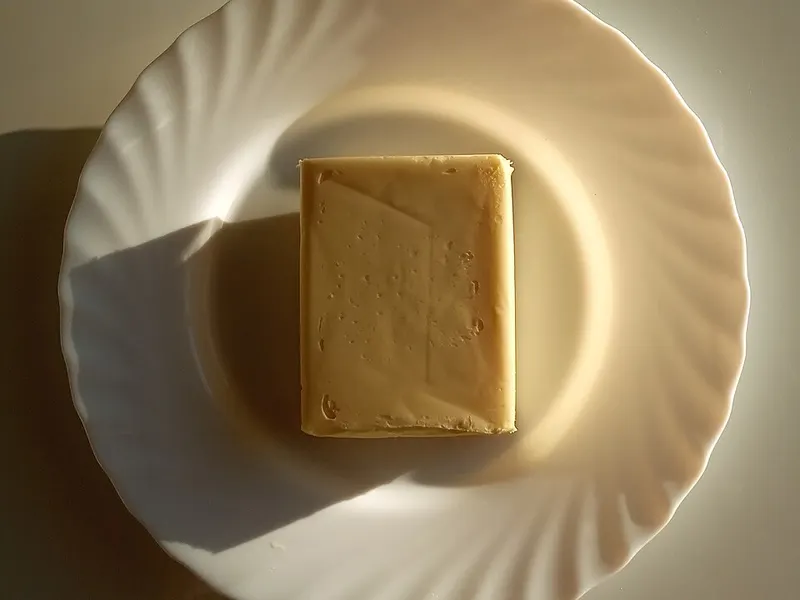
Butter
Homemade Strawberry Pop-Tart Ingredients: Pastry: All-purpose flour, unsalted butter, salt, water (possibly sugar and/or an egg for richness) Filling: Fresh strawberri…
Butter: 717 kcal and 0.9 g protein per 100 g; top producer United States (16%, 2023); 7.94 kg CO2e per kg.
Homemade strawberry pop-tarts offer a significantly healthier option. You control the ingredients, minimizing added sugars, unhealthy fats, and artificial additives. While they may require more time and effort, the nutritional benefits and the satisfaction of creating something delicious from scratch are well worth it. Store-bought versions are convenient but come at the cost of increased sugar, unhealthy fats, and a longer list of processed ingredients. The choice ultimately depends on your priorities: convenience vs. health and nutritional control.
Journey Ingredient Intelligence
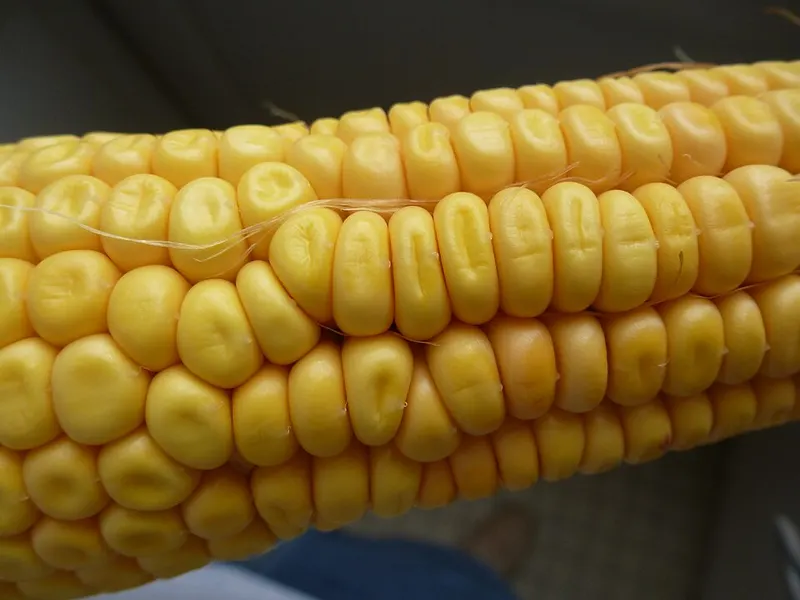
Corn
High Fructose Corn Syrup: A cheaper, sweeter alternative to sugar.
Corn: 86 kcal and 3.3 g protein per 100 g; top producer United States (31%, 2024); 1.7 kg CO2e per kg.
Supplier highlight
1000 Springs Mill
Lists Brown Beans, Butterfly Popcorn, White Wheat Flour, Flint Corn, Blue on the market graph.
View 1000 Springs Mill dataData from this story