Kale Chips, Thallium and Traceability: Why Processing Changes Your Risk Math

Quick answer
A thallium recall showed how drying concentrates risk, FDA kept working on FSMA 204 and tapioca costs climbed. What the week of Nov 3, 2026 means for CPG.
Run it through Journey.Sign upBook a demo
Quick answer: A kale chip recall this week made a simple point that most spec sheets miss. The thallium did not come from the factory. It came from the kale, and drying concentrated it. Risk is not fixed at the raw ingredient. Processing can multiply it. The same week, FDA kept working on how lot-level traceability should handle real food flows, and cost signals split between commodity processors and the brands that buy from them.
1. A thallium recall shows how drying concentrates risk
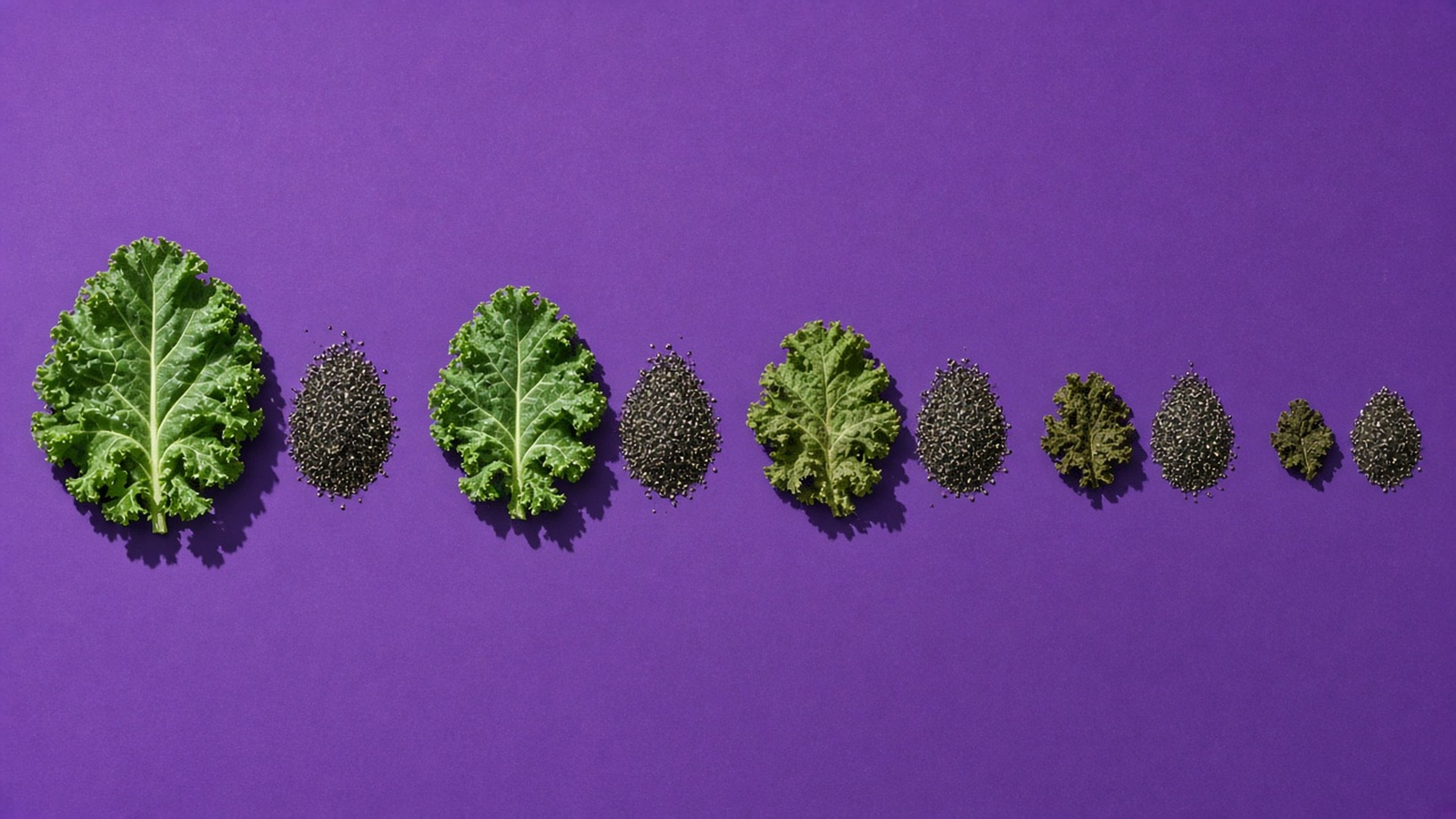
On Nov 3, FDA posted a recall by Snack Right Super Foods, doing business as Brad's Raw Chips, of certain kale chip lots that may contain thallium. The notice says the manufacturing process did not introduce the metal. Brassica crops like kale are known to take up certain elements from soil, and dehydration removes about 85 to 90 percent of the water, which concentrates what was already in the fresh kale. The recall followed testing by the California Department of Public Health earlier in the year.
Why it matters for CPG teams: If you make powders, chips, extracts or concentrates, a raw-ingredient limit can understate what ends up in the finished product. Ask suppliers about growing regions and soil, and judge contaminant results on the finished, dried basis.
2. FDA keeps reworking lot-level traceability
On Nov 6, FDA held its second public meeting on lot-level tracking under the Food Traceability Rule (FSMA 204), following one in June. Congress directed FDA not to enforce the rule before July 20, 2028, and to work with industry on flexibilities for the lot-level requirement. FDA is still taking comments in its docket. No rule change has been finalized.
Why it matters for CPG teams: The likely outcome is more workable rules for commingling, repacking and data sharing, not the end of lot records. Teams should be able to trace an ingredient lot through each step into a finished SKU. That is a data question first and a paperwork question second.
3. China approves a methane-cutting feed additive for dairy cows
On Nov 6, dsm-firmenich said China's agriculture ministry approved its feed additive Bovaer for lactating cows. The company says research shows Bovaer cuts enteric methane from dairy cows by around 30% on average, depending on diet, dose and feeding conditions, and that it is now fed daily to more than 500,000 cows.
Why it matters for CPG teams: Milk ingredients may start carrying a new attribute: how much methane went into them. Brands with emissions targets may soon ask dairy suppliers for feed and emissions data, so it helps to know which products depend on which dairy sources.
4. Clean-label texture demand holds, but tapioca costs bite
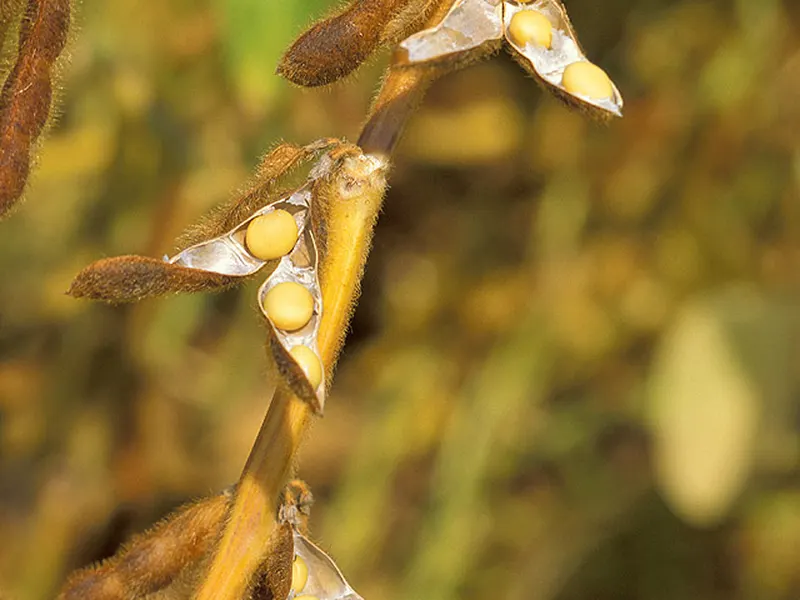
Journey Ingredient Intelligence
Soybeans
Processors and brands send opposite cost signals ADM reported on Nov 3 that crushing operating profit rose $298 million from a year earlier, driven by strong biofuel d…
Soybeans: 446 kcal and 36.5 g protein per 100 g; top producer Brazil (36.3%, 2024); 1.25 kg CO2e per kg.
Explore Soybeans dataIngredion reported on Nov 5 that its Texture and Healthful Solutions business grew volume for the tenth straight quarter, helped by clean-label demand. Operating income in that segment still fell, as record-high tapioca costs and manufacturing expenses outweighed the volume gains, according to the earnings call. The financial recovery at its Argo plant has also been delayed by higher maintenance costs and lower yields.
Why it matters for CPG teams: Clean-label starches are in demand and getting more expensive at the same time. Know which products depend on tapioca, and test whether corn, potato or pulse starches can do the same job in your process before you need them.
5. Processors and brands send opposite cost signals
ADM reported on Nov 3 that crushing operating profit rose $298 million from a year earlier, driven by strong biofuel demand and soybean meal demand. The next day, Kraft Heinz reported that North America organic sales fell 3.2%, with price down 0.8 points and volume and mix down 2.4 points, while procurement and logistics inflation pressured margins.
Why it matters for CPG teams: Energy policy is shaping what oils and proteins cost upstream, and brands cannot pass much of that through to shoppers. Recipe changes that lower cost without hurting the label are worth more right now than another price increase.
What we'd do this quarter
- Judge contaminant results on the finished basis for anything dried, concentrated or extracted.
- Trace one product end to end, from ingredient lot to finished SKU, and note where the record breaks.
- List your tapioca and soybean oil exposure by product, and price one alternative for each.
Our Risk Assessment Report and 2024 Food Supply Chain Trends cover how ingredient risk travels through a supply chain. For the week before, read our brief on infant formula rules and 2027 pricing.
Run it through Journey.
Journey connects ingredient, supplier and product data so your team can see where each ingredient comes from, what it costs and what can replace it. Every record is graded by where it came from, from our own lab data to public sources, and checked by our scientists. Bring one ingredient with a supply, price or safety question. Book a demo.
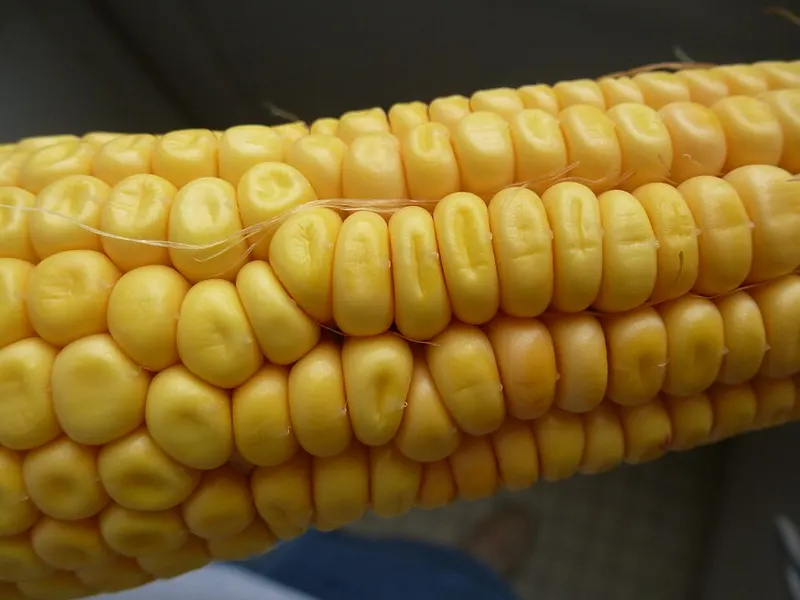
Journey Ingredient Intelligence
Corn
Know which products depend on tapioca, and test whether corn, potato or pulse starches can do the same job in your process before you need them.
Corn: 86 kcal and 3.3 g protein per 100 g; top producer United States (31%, 2024); 1.7 kg CO2e per kg.
As published
30%
Supplier highlight
1000 Springs Mill
Lists Brown Beans, Butterfly Popcorn, White Wheat Flour, Flint Corn, Blue on the market graph.
View 1000 Springs Mill dataData from this story
Shareable Journey Intelligence
Kale Chips, Thallium and Traceability: Why Processing Changes Your Risk Math
Industry Insights
30%
The company says research shows Bovaer cuts enteric methane from dairy cows by around 30% on average, depending on diet, dose and feeding conditions, and that it is now fed daily to more than 500,000 cows.
$298
Processors and brands send opposite cost signals ADM reported on Nov 3 that crushing operating profit rose $298 million from a year earlier, driven by strong biofuel demand and soybean meal demand.