Solvent Bans, Sweet Proteins and a Sugar Spike: Function Beats the Ingredient Name

Quick answer
FDA revoked three solvents in natural color making, sweet proteins changed hands and sugar jumped 6.6%. What the week of Nov 10, 2026 means for CPG teams.
Run it through Journey.Sign upBook a demo
Quick answer: This week rewarded teams that think about what an ingredient does and how it is made, not just what it is called. FDA removed three legacy solvents from the making of natural colors. A sweet protein maker changed hands. A coffee-based cocoa extender went on sale. And the latest commodity data showed sugar jumping while cereals fell. One inflation number for "food" no longer tells you much.
1. FDA revokes three solvents in natural color manufacturing
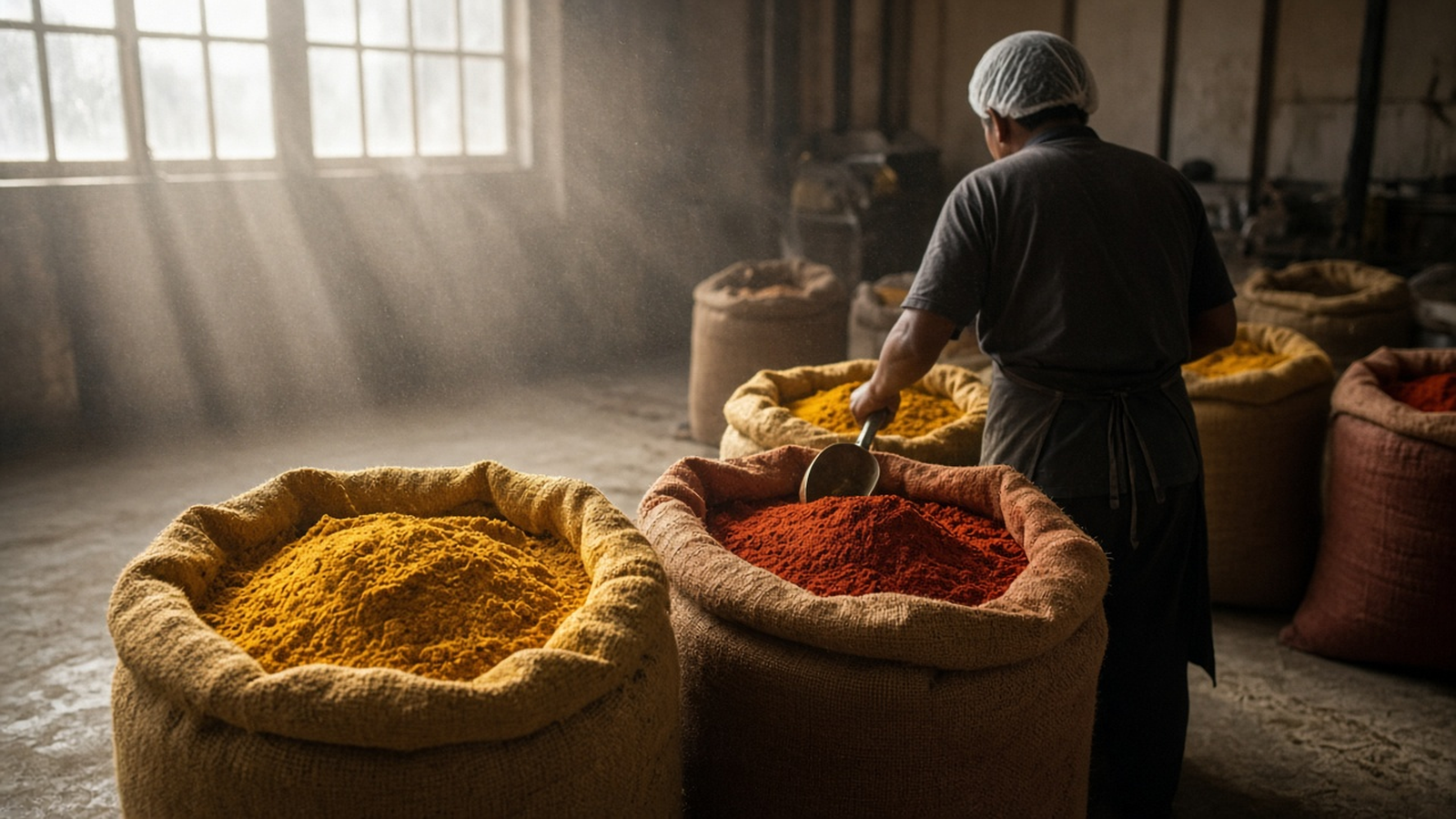
On Nov 9, FDA announced it is revoking the authorizations for methylene chloride, ethylene dichloride and trichloroethylene in the manufacture of annatto extract, paprika oleoresin and turmeric oleoresin. That action answered a petition from the International Association of Color Manufacturers, which showed industry had already abandoned these uses. In a separate action, FDA revoked methylene chloride as a diluent in inks for marking fruits and vegetables, in response to a petition citing the Delaney Clause. The revocations take effect Jan. 11, 2027.
Why it matters for CPG teams: The supply impact should be small, since FDA says the color uses were already abandoned. The signal is bigger: regulators are looking at how an ingredient is made, not only what it is. Ask color suppliers for extraction method and processing aid declarations, and keep them on file by market.
2. FDA keeps testing how traceability works in real supply chains
FDA's Nov 6 public meeting on lot-level traceability under FSMA 204 focused on practical problems and possible flexibilities. Enforcement stays deferred to July 20, 2028, and no rule change has been finalized. We covered the meeting in last week's brief.
Journey Ingredient Intelligence
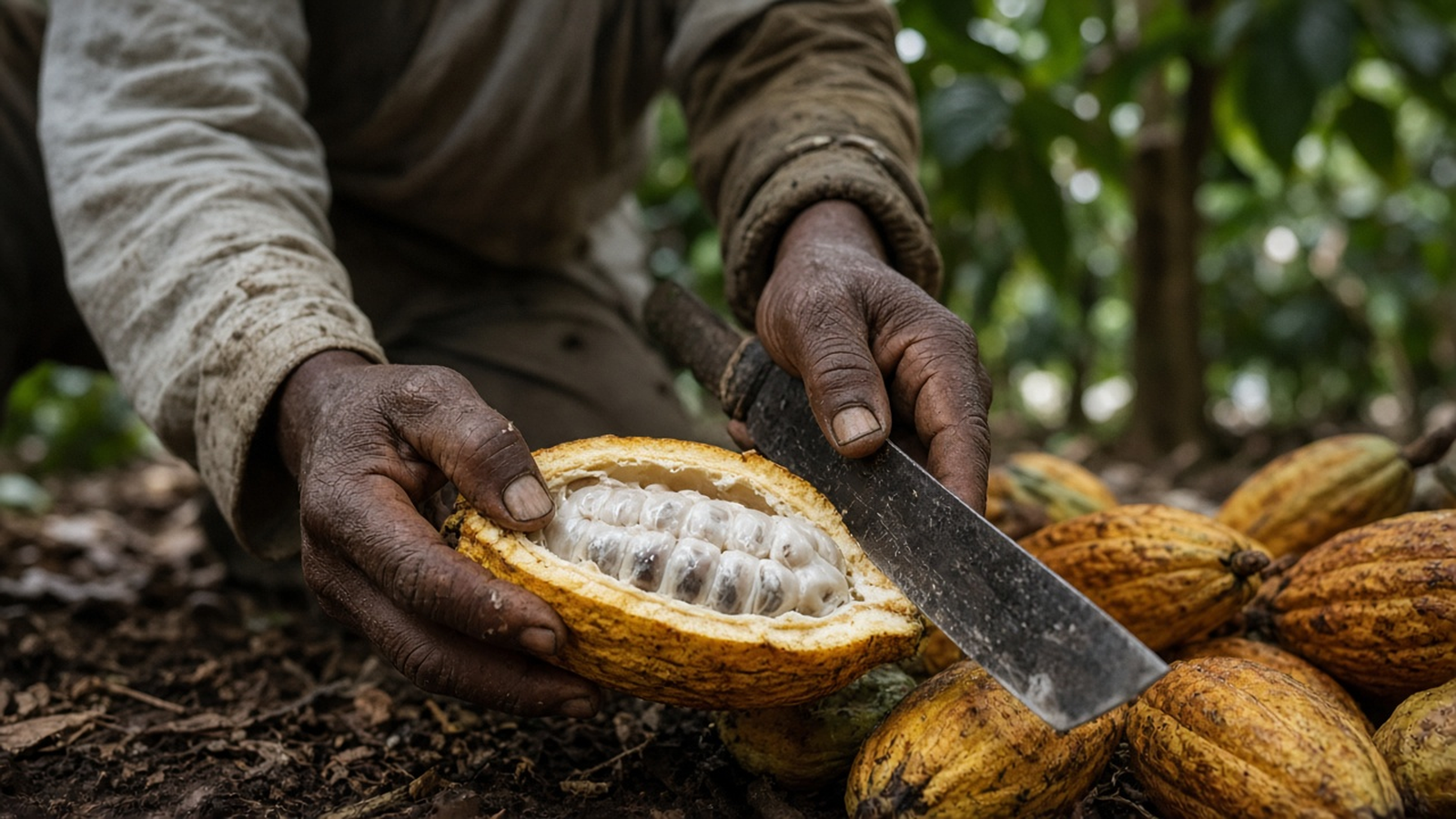
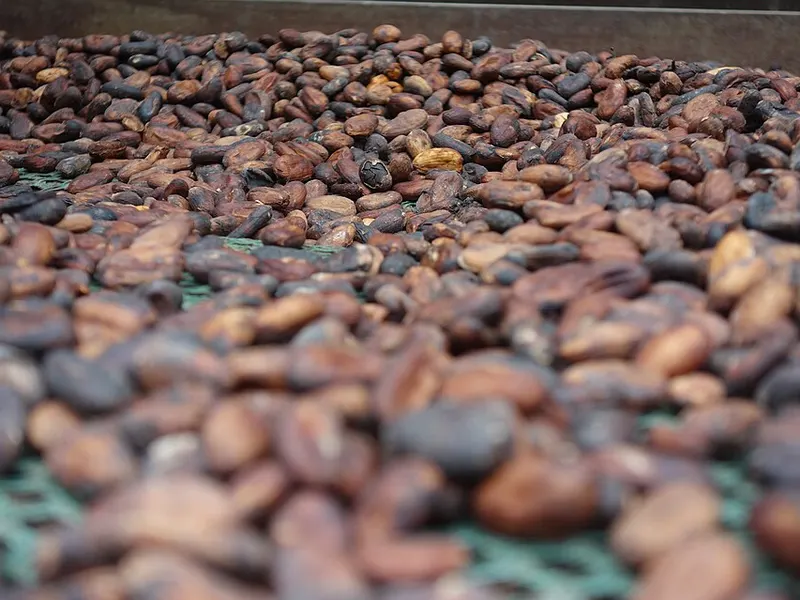
Cocoa
A coffee-based cocoa extender went on sale.
Cocoa: 228 kcal and 19.6 g protein per 100 g; top producer Côte d'Ivoire (36.1%, 2024); 29.1 kg CO2e per kg.
Explore Cocoa dataWhy it matters for CPG teams: The open questions are about transformations: what happens to a lot when ingredients are mixed, repacked or processed. A traceability record has to follow the ingredient through each step into the finished SKU, not just sit on the final case.
3. Amyris agrees to acquire sweet protein maker Oobli
On Nov 12, Amyris announced it will acquire Oobli. Oobli's portfolio of fermentation-made sweet proteins (brazzein, monellin and thaumatin) has FDA GRAS status as an ingredient and FEMA GRAS affirmation as a natural flavor, according to the company. Amyris brings biomanufacturing. The deal is expected to close in the coming weeks.
Why it matters for CPG teams: Sweet proteins give formulators another route to less sugar, alongside stevia, monk fruit, allulose and polyols. Each option differs on dose, taste, heat stability, cost and label. Compare them on cost per unit in your product, not on sweetness alone.
4. A coffee-based cocoa extender goes on sale
RFINE made its KAFFIKA cocoa extender commercially available in Canada and the EU. It is made from spent coffee grounds left over from cold brew and instant coffee production, and the company says it can replace up to 60% of cocoa powder in bakery, confectionery and beverage recipes.
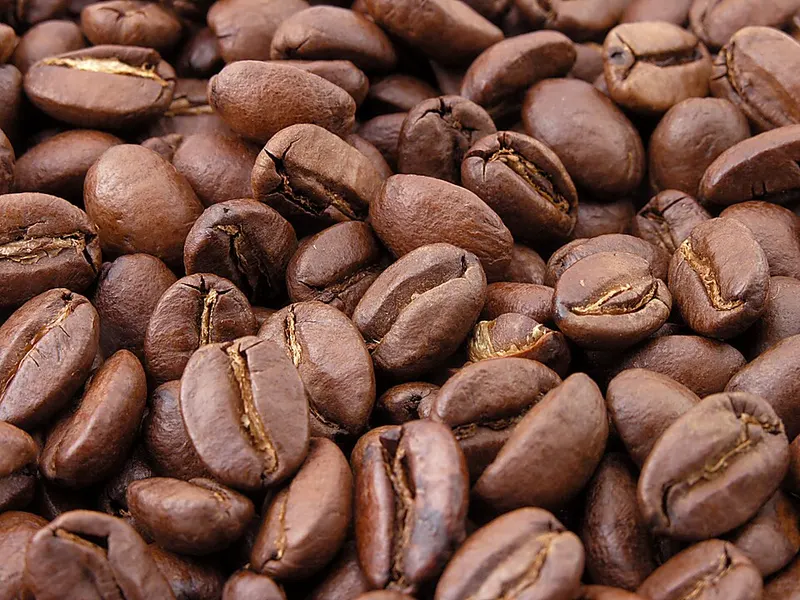
Journey Ingredient Intelligence
Coffee
A coffee-based cocoa extender went on sale.
Coffee: 1 kcal and 0.1 g protein per 100 g; top producer Brazil (30%, 2024); 28.53 kg CO2e per kg.
Why it matters for CPG teams: Cocoa substitution works function by function: color, flavor, bitterness, fat and how it behaves in your process. Run a bench test against your current cocoa on those points, then compare cost per unit before you change a label.
5. Sugar jumps while cereals and dairy fall
The FAO Food Price Index fell 1.2% in October to 133.9 points, released Nov 6. Cereals fell 4.5%, dairy 1.1% and meat 1.2%. Sugar rose 6.6% to its highest level since December 2024, on harvest disruption in Brazil and production concerns in India, Thailand and the EU. Dairy auctions told a mixed story: at the Nov 3 Global Dairy Trade event, the index rose 3.0%, with whole milk powder up 5.9% and cheddar up 8.6%, while butter fell 4.7%.
Why it matters for CPG teams: A single "food inflation" number hides what is happening to your recipe. Sweet products face rising sugar costs while grain-heavy products may get some relief. Price at the ingredient level and ask when a recipe change beats a supplier negotiation.
What we'd do this quarter
- Collect process declarations for colors and other sensitive additives, by market.
- Build a sweetener shortlist for one high-sugar product and cost each option per unit.
- Re-price your top ten ingredients individually instead of applying one inflation rate.
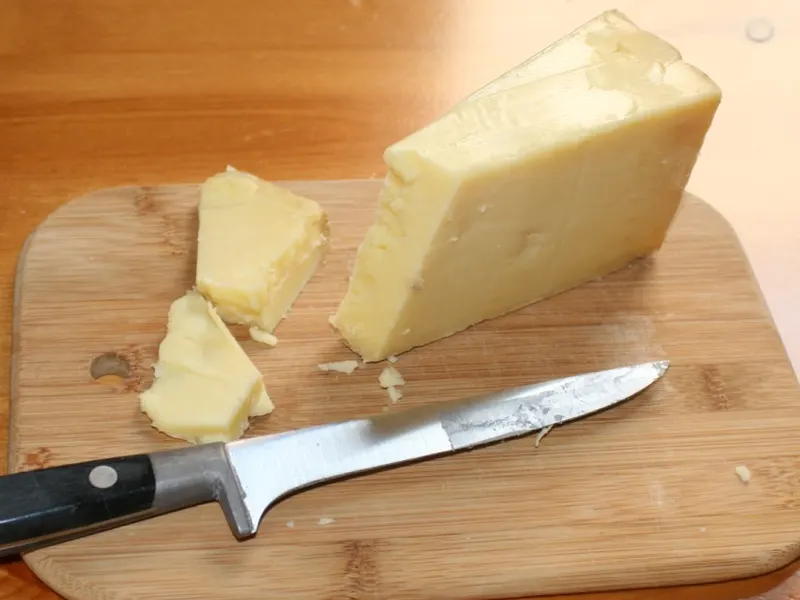
Journey Ingredient Intelligence
Cheddar cheese
Dairy auctions told a mixed story: at the Nov 3 Global Dairy Trade event , the index rose 3.0%, with whole milk powder up 5.9% and cheddar up 8.6%, while butter fell 4…
Cheddar cheese: 403 kcal and 22.9 g protein per 100 g; top producer United States (27.9%, 2023); 23.88 kg CO2e per kg.
Our report The Price of Composition shows how much of a product's price is decided inside the formula, and The Hidden Cost of Cheap Ingredients looks at what cheap swaps really cost. For more on how cocoa prices move into the candy aisle, read The Pie: Cocoa Came Down. Candy Didn't.
Run it through Journey.
Journey lets you search any ingredient or supplier, see cost, nutrition and claims in one place, and get alternatives you can defend, with the data behind each one. Our claims and compliance agent checks formulas and label claims against regulations and retailer standards. Bring one ingredient question, like a color, a sweetener or a cocoa swap. Book a demo.
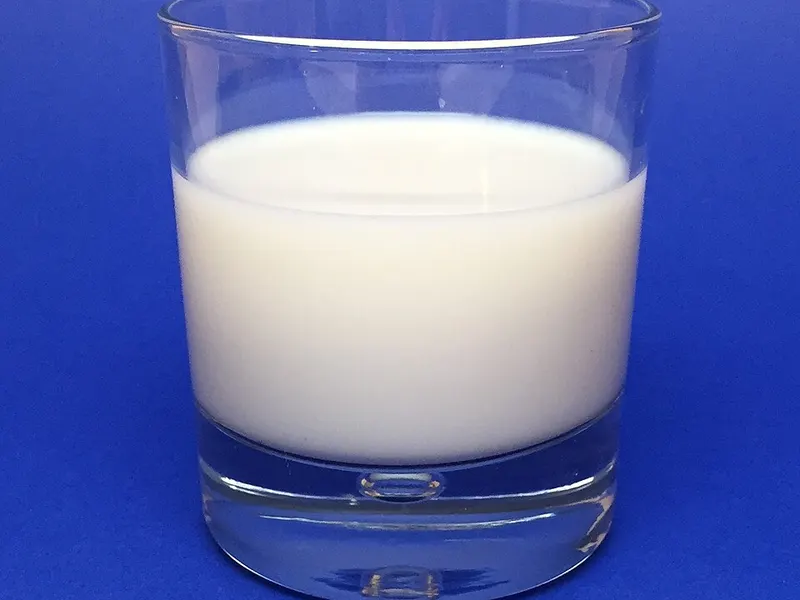
Journey Ingredient Intelligence
Whole milk
Dairy auctions told a mixed story: at the Nov 3 Global Dairy Trade event , the index rose 3.0%, with whole milk powder up 5.9% and cheddar up 8.6%, while butter fell 4…
Whole milk: 61 kcal and 3.2 g protein per 100 g; top producer India (16.9%, 2024); 3.15 kg CO2e per kg.
Explore Whole milk dataAs published
60%
Data from this story
Shareable Journey Intelligence
Solvent Bans, Sweet Proteins and a Sugar Spike: Function Beats the Ingredient Name
Industry Insights
60%
It is made from spent coffee grounds left over from cold brew and instant coffee production, and the company says it can replace up to 60% of cocoa powder in bakery, confectionery and beverage recipes.
1.2%
Sugar jumps while cereals and dairy fall The FAO Food Price Index fell 1.2% in October to 133.9 points, released Nov 6.