Banned Dyes, Natural Colors and Cheaper Cocoa: How Recipes Are Changing in 2027

Quick answer
Red No. 3 ends Jan 15, 2027, synthetic dyes are being phased out and cocoa fell from its record. What CPG recipe teams should do about color and cocoa.
Run it through Journey.Sign upBook a demo
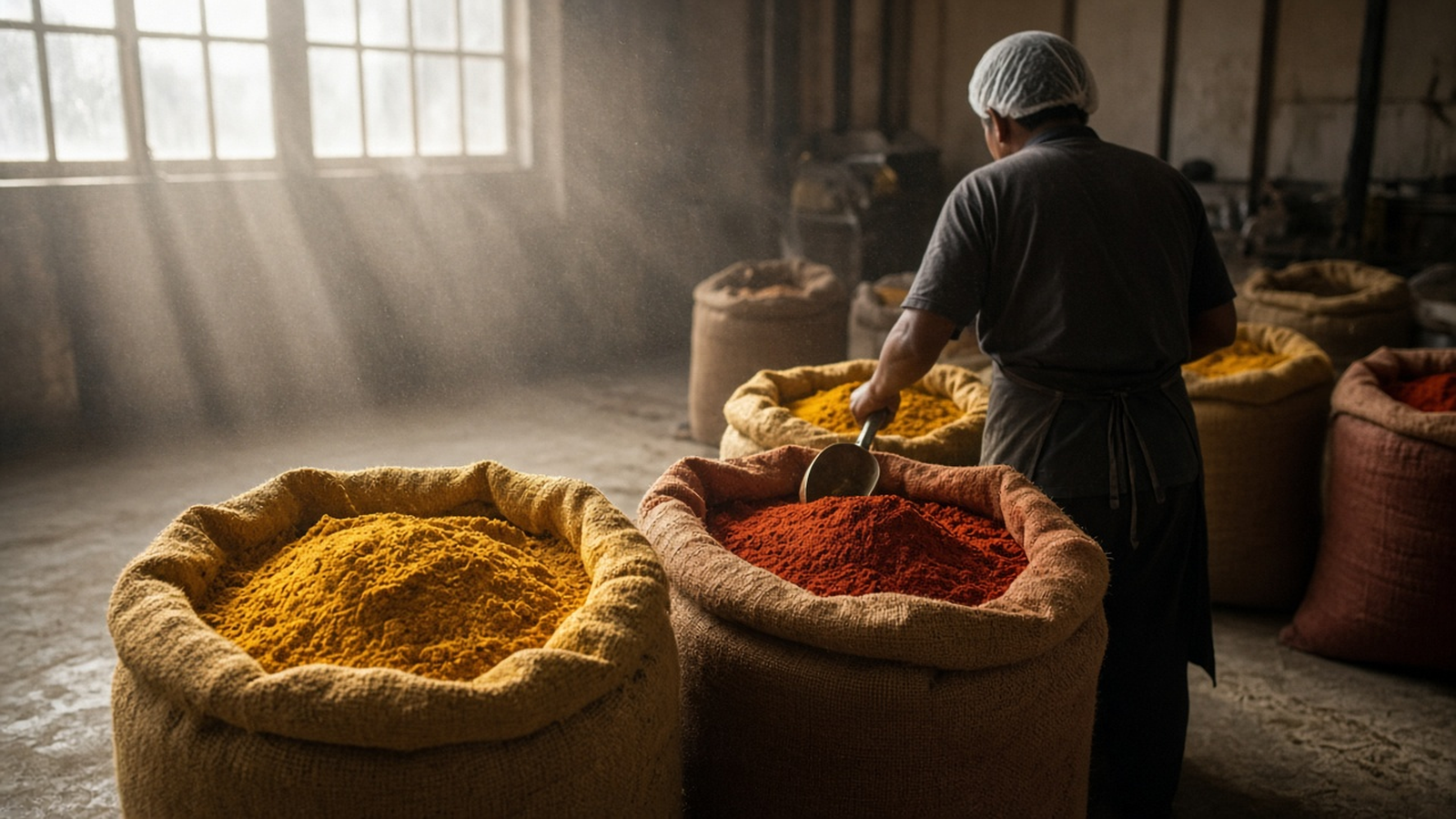
Quick answer: Two of the most familiar parts of a snack recipe, the color and the cocoa, are both being redesigned at the same time. Red No. 3 leaves U.S. food on Jan. 15, 2027. The six other big synthetic dyes are on a voluntary phase-out, and some states are moving on their own timelines. Cocoa has fallen far from its record, but brands learned in 2024 how fast it can spike. Treat both as sourcing decisions, checked market by market, not just label lines.
Where the federal dye rules stand
Red No. 3 is out of food on Jan. 15, 2027. FDA revoked its authorization for food in January 2025 under the Delaney Clause, after data showed it caused cancer in male rats. Objections stayed the order, but FDA lifted that stay on Aug. 5, 2026 and confirmed the dates: Jan. 15, 2027 for food and Jan. 18, 2028 for ingested drugs. Product made before the deadline can still be sold.
The other petroleum dyes are on a voluntary timeline. FDA is working with industry to remove Green No. 3, Red No. 40, Yellow No. 5, Yellow No. 6, Blue No. 1 and Blue No. 2 by the end of 2027. Those dyes are still legal. The phase-out runs on company pledges, which FDA tracks publicly.
Two little-used dyes are being cleared off the books. FDA's revocation of Orange B for sausage casings took effect Sept. 8, 2026, confirmed on Nov. 13. FDA has proposed revoking Citrus Red No. 2, used on orange peels, but that is not final.
Even natural colors are being checked for how they're made. On Nov. 9, FDA revoked the use of three solvents (methylene chloride, ethylene dichloride and trichloroethylene) in making annatto extract, paprika oleoresin and turmeric oleoresin, effective Jan. 11, 2027. FDA says industry had already stopped using them. The signal still matters: the process behind a "natural" color is now part of compliance.
States are not waiting
Journey Ingredient Intelligence
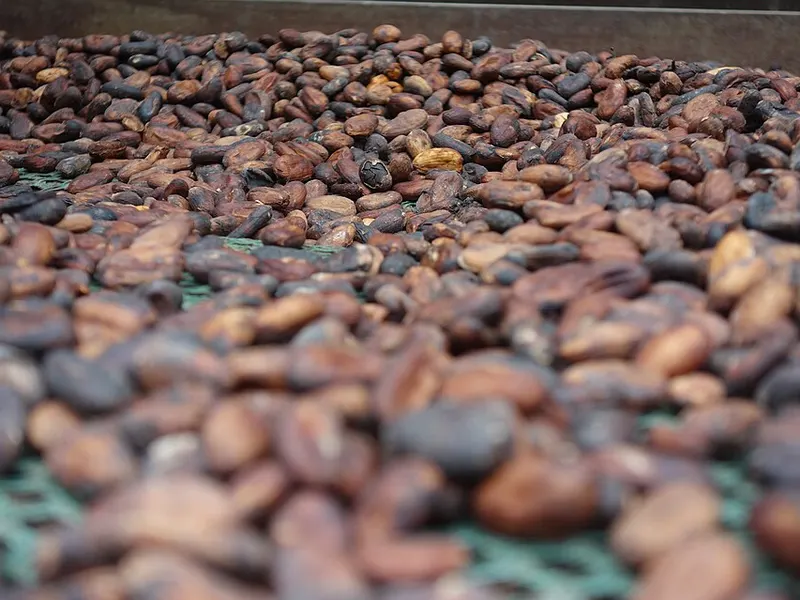
Cocoa
Quick answer: Two of the most familiar parts of a snack recipe, the color and the cocoa, are both being redesigned at the same time.
Cocoa: 228 kcal and 19.6 g protein per 100 g; top producer Côte d'Ivoire (36.1%, 2024); 29.1 kg CO2e per kg.
Explore Cocoa data- California: AB 418 bans Red No. 3, brominated vegetable oil, potassium bromate and propylparaben in food sold in the state starting Jan. 1, 2027.
- West Virginia: HB 2354 bans seven synthetic dyes in food sold in the state starting Jan. 1, 2028, and already restricts them in school meals. A federal court has paused enforcement of the retail ban, and the state has appealed. The school rules still stand.
- Texas: SB 25 would require warning labels on foods with any of 44 listed ingredients. A federal court has blocked enforcement against the trade groups that sued while the case continues.
- Louisiana: SB 14 would require QR code disclosures for certain ingredients starting Jan. 1, 2028.
Why it matters for CPG teams: One national recipe can now fail in one state and pass in the next, and court rulings can change the answer mid-year.
Natural colors bring their own sourcing problem
FDA has approved six new or expanded natural color options under the current administration, including galdieria extract blue, gardenia blue, butterfly pea flower extract, calcium phosphate, beetroot red and wider use of spirulina extract. It also now lets brands claim "no artificial colors" when a product has no petroleum-based colors.
Supply is the hard part. A roadmap from the National Confectioners Association and RTI International, reported by FoodNavigator-USA, found that annatto, butterfly pea flower and saffron colorants come mostly from a small number of countries. Natural colors often need much higher use rates than synthetic dyes. In one scenario, if the industry switched quickly, demand for these colorants could reach four times current levels and average prices could rise more than 1,000%.
Why it matters for CPG teams: Swapping Red No. 40 for beet or Blue No. 1 for spirulina changes cost, shelf life, heat and light stability, and supplier risk at once. Lock in suppliers early, and qualify a second origin for each color you depend on.
Cocoa: off the peak, not out of the woods
Journey Ingredient Intelligence
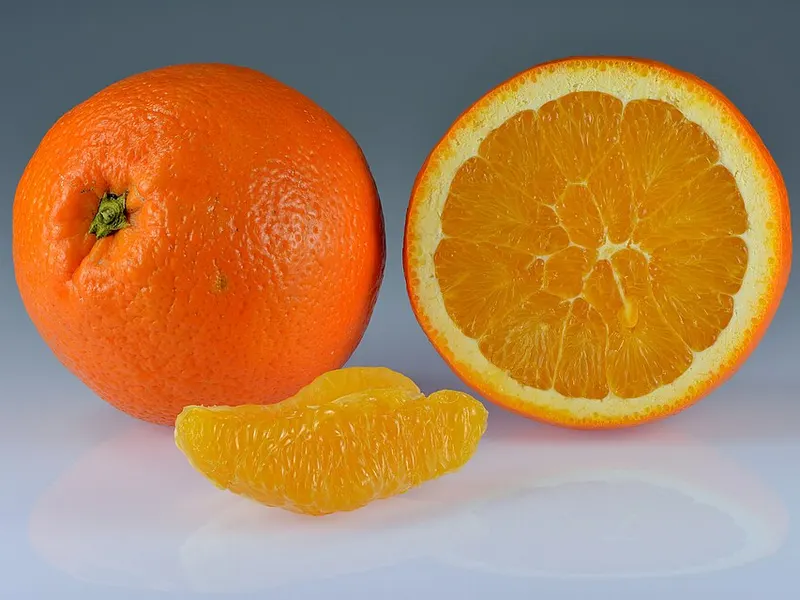
Oranges
FDA's revocation of Orange B for sausage casings took effect Sept.
Oranges: 47 kcal and 0.9 g protein per 100 g; top producer Brazil (23.3%, 2024); 0.39 kg CO2e per kg.
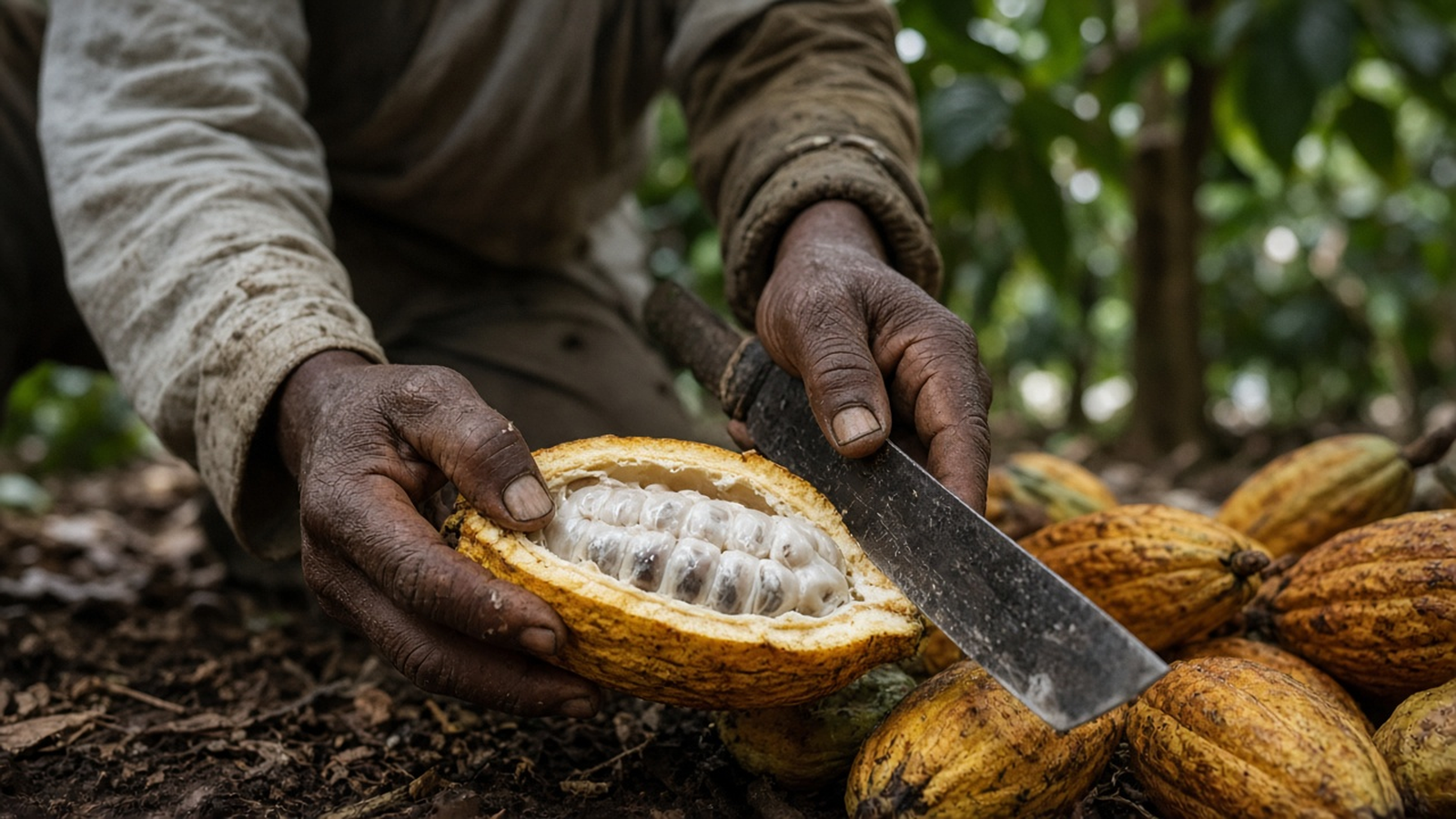
New York cocoa futures hit a record $12,931 a metric ton in December 2024. On Nov. 16, 2026, the December contract closed at $5,200, about 60% below that peak. Lower cocoa costs helped Mondelez's third quarter margins. As we covered in The Pie: Cocoa Came Down. Candy Didn't., shelf prices have been slower to follow.
Recipes are changing anyway. RFINE's KAFFIKA cocoa extender, made from spent coffee grounds, is now sold in Canada and the EU, and the company says it can replace up to 60% of cocoa powder in bakery, confectionery and beverages. A recipe that can flex its cocoa share is less exposed to the next spike.
What to do in recipe development
- Find every Red No. 3 SKU now, including inks, coatings and supplements, and confirm the replacement is in production before Jan. 15, 2027.
- Map each product to the markets it sells in, state by state and country by country, and flag where a color passes in one place and fails in another.
- Qualify two sources for each natural color, and test stability in your own process, not just on the spec sheet.
- Ask color suppliers how the color is made, including extraction solvents.
- Build a cocoa range, not a cocoa number. Test how much cocoa can be swapped or extended before taste and color shift, and know the cost per serving at each level.
For more on how formula choices set price, see The Price of Composition and The Hidden Cost of Cheap Ingredients. For the latest rule changes, read our weekly brief on the solvent revocations and sweet proteins.
Run it through Journey.
Journey tracks ingredient and dye compliance across 14 countries, down to the differences between U.S. states, so you can see where a color passes and where it fails before you print a label. Search any ingredient or supplier, compare alternatives on cost, nutrition and claims, and check formulas and label claims against regulations. Bring one product with a color or cocoa question. Book a demo.
Journey Ingredient Intelligence
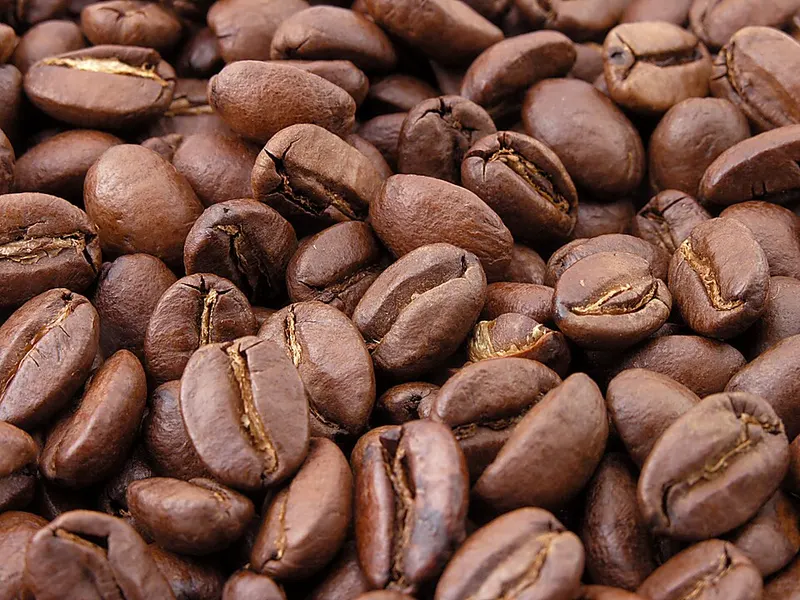
Coffee
RFINE's KAFFIKA cocoa extender, made from spent coffee grounds, is now sold in Canada and the EU , and the company says it can replace up to 60% of cocoa powder in bak…
Coffee: 1 kcal and 0.1 g protein per 100 g; top producer Brazil (30%, 2024); 28.53 kg CO2e per kg.
As published
1,000%
Data from this story
Shareable Journey Intelligence
Banned Dyes, Natural Colors and Cheaper Cocoa: How Recipes Are Changing in 2027
Industry Insights
1,000%
In one scenario, if the industry switched quickly, demand for these colorants could reach four times current levels and average prices could rise more than 1,000%.
$12,931
Cocoa: off the peak, not out of the woods New York cocoa futures hit a record $12,931 a metric ton in December 2024.