What Are Doritos Actually Made Of? Ingredient-by-Ingredient Breakdown for Curious Readers
Quick answer
Most people glance at a Doritos bag and move on. That's a missed opportunity — whether you're a curious consumer or a CPG formulator trying to understand how one of the best-selling snack brands in the world actually builds its flavor profile. This breakdown goes line by line through the Nacho Cheese variety, the original and still dominant SKU, and explains what each ingredient is actually doing.
Quick Answer: Doritos Nacho Cheese chips are built on a corn base seasoned with dairy-derived flavor compounds, glutamates, and synthetic colorants. The full ingredient list runs to roughly 30 components — most of them functional, a few controversial, and several that tell a clear story about how mass-market snack formulation works.
Key Takeaways:
The Base: Corn, Oil, and Salt
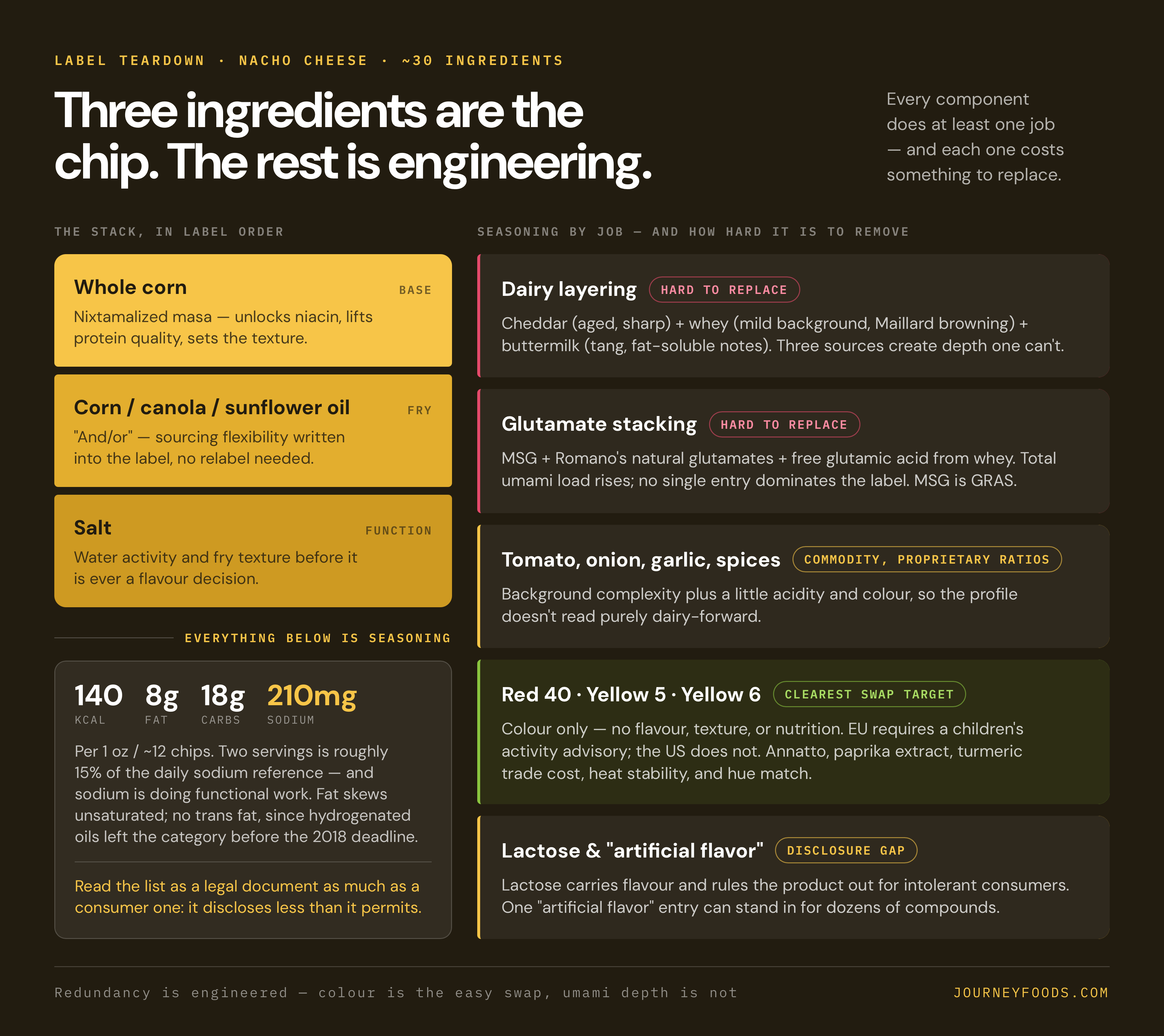
The first three ingredients on a Doritos Nacho Cheese bag are whole corn, vegetable oil (corn, canola, and/or sunflower oil), and salt. That's the chip itself. Everything else is seasoning.
Whole corn is processed into masa flour through nixtamalization — an alkaline treatment that improves digestibility, unlocks niacin bioavailability, and gives tortilla chips their characteristic texture. The nutritional difference matters: untreated corn has significantly lower protein quality and bound niacin. Nixtamalization changes both.
The oil blend is worth a closer look. Frito-Lay lists corn, canola, and sunflower oil with an "and/or" — meaning the actual oil used varies by availability and cost. This is standard practice in high-volume snack manufacturing, and it reflects real-time supply chain decisions baked directly into the label. For formulators, it's a useful reminder: ingredient declarations can be written to accommodate sourcing variability without triggering a label change.
Salt is third on the list, but its functional role goes beyond flavor. It controls water activity, affects texture during frying, and interacts with the seasoning system downstream.
The Seasoning System: Where the Complexity Lives
This is where Doritos earns its reputation. The seasoning blend is a masterclass in layered flavor construction. Break it down by functional category and the logic becomes clear.
Dairy Components
Cheddar cheese (cultured milk, salt, enzymes), whey, and buttermilk all appear in the seasoning — and each contributes differently.
Cheddar provides the primary dairy flavor note: the aged, slightly sharp character that defines Nacho Cheese. Whey adds a milder dairy background and contributes to Maillard browning during processing. Buttermilk brings a subtle tang and fat-soluble flavor compounds that round out the profile.
Together, these three dairy sources create depth that no single ingredient could replicate. That's intentional. Formulators call this flavor layering, and it's one reason the Doritos flavor profile is difficult to reverse-engineer cleanly.
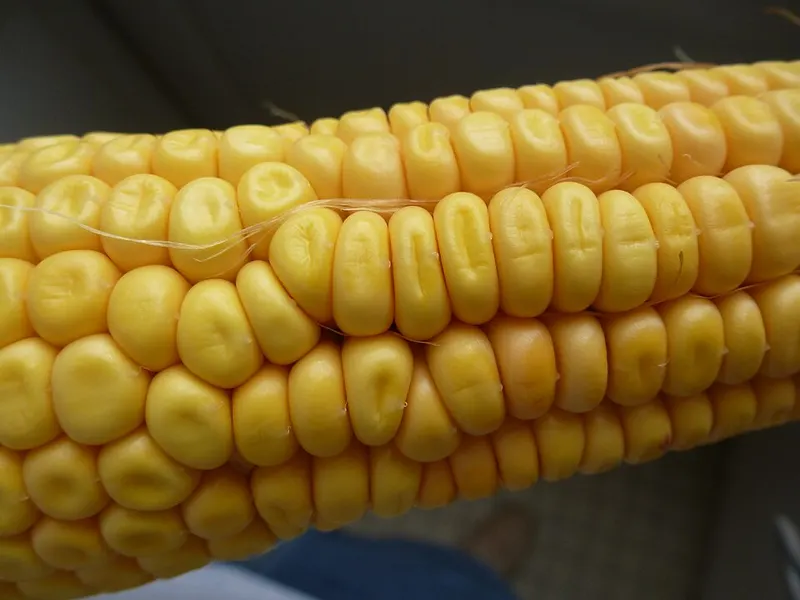
Journey Ingredient Intelligence
Corn
Quick Answer: Doritos Nacho Cheese chips are built on a corn base seasoned with dairy-derived flavor compounds, glutamates, and synthetic colorants.
Corn: 86 kcal and 3.3 g protein per 100 g; top producer United States (31%, 2024); 1.7 kg CO2e per kg.
Glutamate Stacking
Monosodium glutamate (MSG) appears explicitly. So does Romano cheese made from cow's milk — which contains naturally occurring glutamates. So does whey, which contributes free glutamic acid during processing.
This is glutamate stacking. Each source adds to the total umami load, but because they appear as separate ingredients, no single one dominates the label. The result is a chip that tastes significantly more savory than its sodium content alone would predict.
MSG has attracted decades of controversy. The science, though, is clear: the FDA classifies it as generally recognized as safe (GRAS), and controlled studies have not established a causal link between MSG consumption and the symptoms historically attributed to it. It remains one of the most effective umami amplifiers available to formulators at scale.
Tomato and Spice Notes
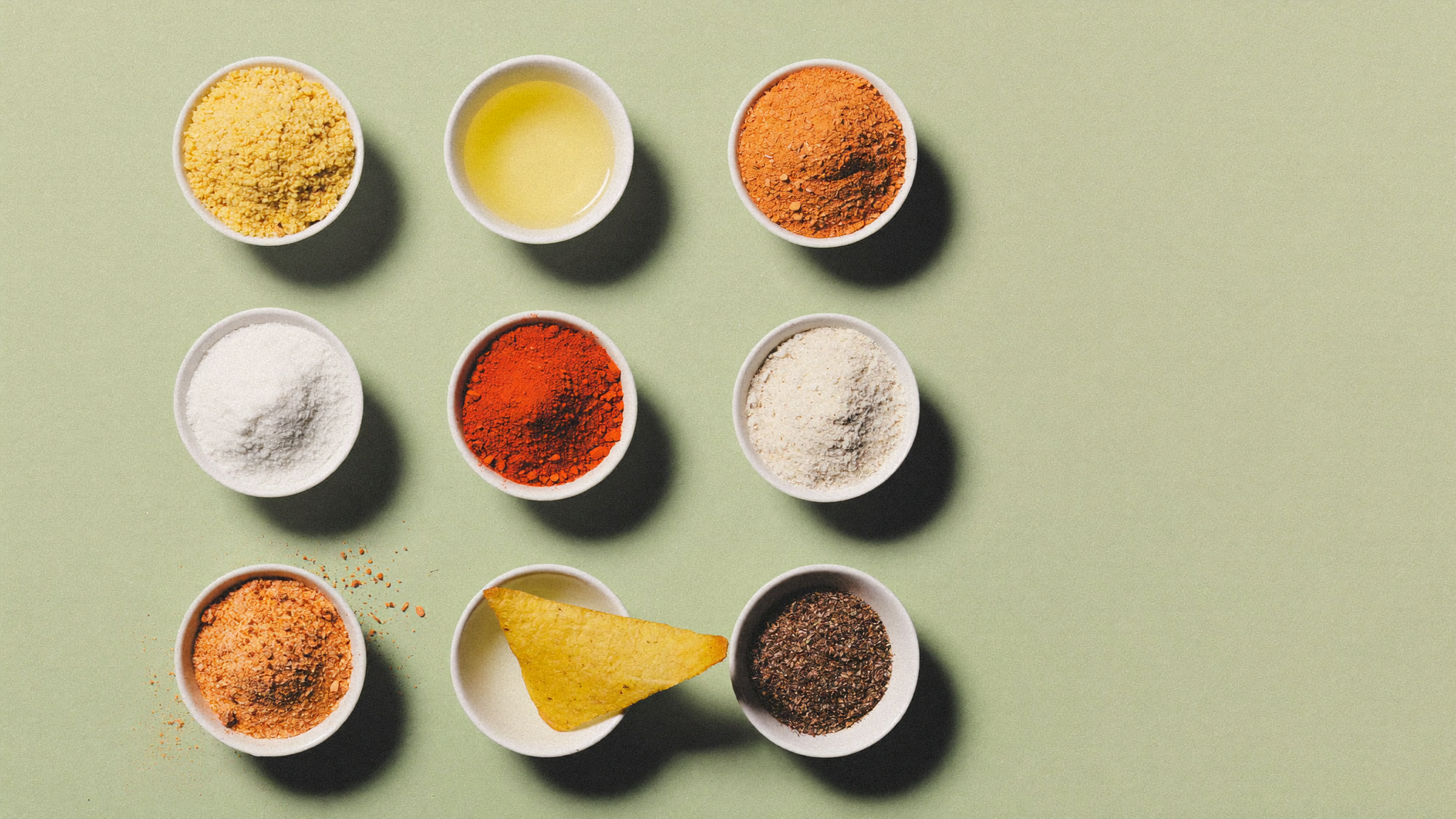
Tomato powder, onion powder, garlic powder, and a series of spices contribute the background complexity that keeps the flavor from reading as purely dairy-forward. Tomato powder adds subtle acidity and a color contribution. These are commodity ingredients — but their ratios are proprietary.
Artificial Colors: Red 40, Yellow 5, and Yellow 6
Three synthetic colorants appear: Red 40, Yellow 5, and Yellow 6. Their sole function is visual — producing the bright orange color the product is known for. They contribute nothing to flavor, texture, or nutrition.
These are among the most scrutinized additives in snack formulation. In the EU, products containing Yellow 5 or Yellow 6 must carry a warning label stating the product "may have an adverse effect on activity and attention in children." That requirement doesn't apply in the US — but the regulatory divergence is something any CPG company navigating international markets has to manage.
For formulators watching clean-label trends, these three colorants are the most obvious reformulation target in the Doritos ingredient list. Annatto, paprika extract, and turmeric-based blends are the primary natural alternatives, each with real tradeoffs in stability, cost, and hue accuracy.
Lactose and Artificial Flavor
Lactose appears as a carrier and mild flavor contributor. It also signals that this product isn't suitable for people with lactose intolerance — relevant given how rarely snack consumers read ingredient lists carefully.
Artificial flavor is listed without further specification, which is legally permitted in the US. It likely covers flavor compounds that don't qualify for natural flavor designation under FDA definitions, or proprietary blends the manufacturer prefers not to disclose. That single entry can represent dozens of individual chemical compounds.
Nutritional Profile: What the Numbers Say
A standard 1-ounce serving — about 12 chips — delivers roughly 140 calories, 8 grams of fat, 18 grams of carbohydrates, and 210 milligrams of sodium. Protein sits at 2 grams.
That 210mg sodium figure looks moderate in isolation. But snack consumption rarely stops at one serving. At two servings, you're approaching 15% of the daily sodium reference value from a single snack. This is a formulation reality, not a criticism: sodium is doing functional work here, and reducing it without compensating with potassium chloride or other salt replacers would noticeably alter the flavor profile.
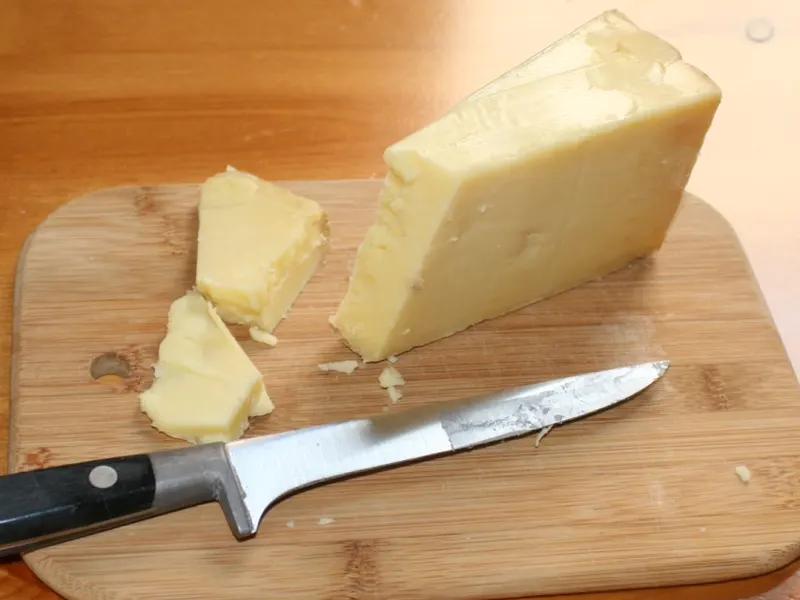
Journey Ingredient Intelligence
Cheddar cheese
Dairy Components Cheddar cheese (cultured milk, salt, enzymes), whey, and buttermilk all appear in the seasoning — and each contributes differently.
Cheddar cheese: 403 kcal and 22.9 g protein per 100 g; top producer United States (27.9%, 2023); 23.88 kg CO2e per kg.
The fat content skews unsaturated given the oil blend — nutritionally favorable. There's no trans fat. Partially hydrogenated oils were phased out of snack manufacturing well before the FDA's 2018 compliance deadline.
For a deeper look at what the full nutritional picture means from a formulator's perspective, the Doritos ingredients breakdown for CPG formulators on the Journey Foods blog covers the R&D implications in more detail.
What This Ingredient List Tells You About Mass-Market Snack Formulation
Reading a Doritos label carefully is a short course in how high-volume snack brands approach formulation. A few patterns stand out.
Redundancy is a feature, not a flaw. Multiple dairy sources, multiple glutamate contributors, multiple oil options — each layer adds depth or supply chain flexibility. The ingredient list isn't bloated. It's engineered.
The label is a legal document as much as a consumer communication. The "and/or" oil declaration, the unspecified "artificial flavor," the GRAS status of MSG — these reflect decades of regulatory navigation. Formulators reading this list should think about what it permits as much as what it discloses.
Clean-label pressure has a clear target here. If Frito-Lay ever reformulates Nacho Cheese for a cleaner label, the synthetic colorants and artificial flavor declaration are the obvious starting points. The dairy and glutamate system would be far harder to replace without flavor loss.
For broader context on how these patterns show up across grocery categories, the processed food ingredient label breakdown is worth a read.
The CPG Formulator's Read
For R&D leads and food scientists, the Doritos Nacho Cheese formula is worth studying not because it's exceptional — but because it's optimized. Every ingredient is doing at least one job. The flavor system is layered to create complexity that resists easy substitution. Supply chain flexibility is written directly into the label.
The real question for anyone building in this category — or reformulating against it — is where the tradeoffs are acceptable. Removing artificial colors is achievable. Matching the umami depth without MSG or glutamate-rich dairy is genuinely hard. Replicating the texture of nixtamalized corn masa at scale with alternative bases is harder still.
This is exactly the kind of ingredient-level analysis that Journey Foods is built for — scoring ingredients across nutrition, cost, and clean-label criteria simultaneously, so R&D teams aren't making these tradeoffs blind.
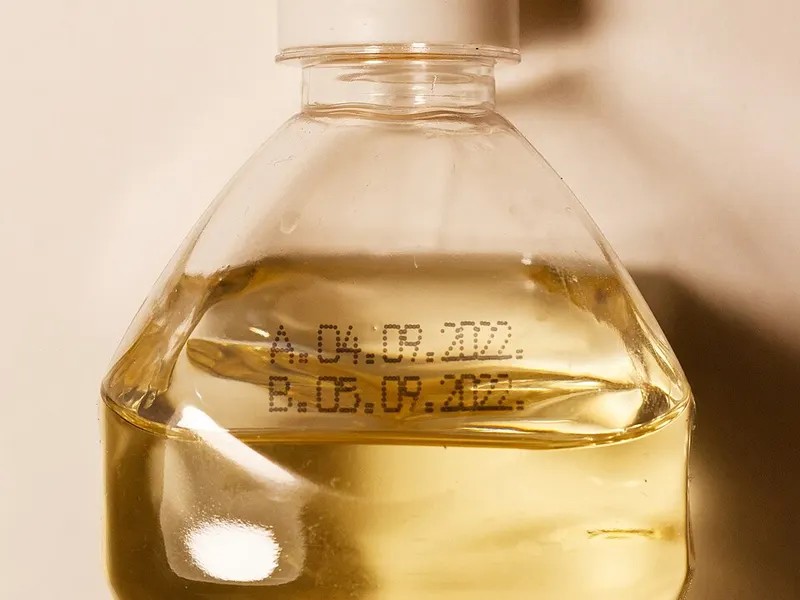
Journey Ingredient Intelligence
Sunflower oil
Key Takeaways: The Base: Corn, Oil, and Salt The first three ingredients on a Doritos Nacho Cheese bag are whole corn, vegetable oil (corn, canola, and/or sunflower oi…
Sunflower oil: 884 kcal and 0.0 g protein per 100 g; top producer Russia (31.1%, 2023); 3.6 kg CO2e per kg.
Explore Sunflower oil dataFor more on how ingredient decisions in snack formulation connect to broader health and label questions, the Doritos health and ingredient analysis is a useful companion read.
Conclusion
Doritos Nacho Cheese is roughly 30 ingredients doing coordinated work. The corn base is straightforward. The flavor system is not. Understanding each component — what it does, why it's there, and what it would cost to replace — is the difference between reading a label and actually learning from it.
If you're building or reformulating in the snack category, that kind of ingredient intelligence isn't optional. It's the work. See what structured ingredient data and AI-driven formulation tools can do for your R&D process at Journeyfoods.io.
Frequently Asked Questions
What are the main ingredients in Doritos Nacho Cheese?
The chip base is whole corn, vegetable oil (corn, canola, and/or sunflower), and salt. The seasoning adds cheddar cheese, whey, buttermilk, MSG, Romano cheese, tomato powder, onion and garlic powder, artificial flavor, and three synthetic colorants: Red 40, Yellow 5, and Yellow 6.
Does Doritos contain MSG?
Yes. Monosodium glutamate appears explicitly in the Nacho Cheese ingredient list. Additional glutamates come from Romano cheese and whey — a formulation approach known as glutamate stacking that amplifies umami across multiple ingredient sources.
Are Doritos gluten-free?
The Nacho Cheese variety is made from corn and doesn't list gluten-containing grains in the ingredient declaration. That said, Frito-Lay does not certify Doritos as gluten-free due to shared manufacturing environments. Anyone with celiac disease should check current labeling and allergen statements directly.
Why do Doritos contain three different dairy ingredients?
Cheddar cheese, whey, and buttermilk each contribute distinct flavor compounds and functional properties. Using multiple dairy sources creates a more complex, layered flavor profile than any single dairy ingredient could produce — and provides some sourcing flexibility within the seasoning system.
What gives Doritos their orange color?
Three artificial colorants — Red 40, Yellow 5, and Yellow 6 — produce the orange color. They contribute no flavor or nutritional value. In the EU, Yellow 5 and Yellow 6 require an on-pack advisory statement about potential effects on children's activity and attention. That requirement doesn't apply in the US.
What does the "and/or" oil declaration mean on the Doritos label?
Frito-Lay can use corn oil, canola oil, sunflower oil, or any combination of the three without changing the ingredient label. This is standard practice in high-volume manufacturing — it reflects real-time sourcing decisions based on cost and availability.
Could Doritos be reformulated to remove artificial colors?
Technically, yes. Natural colorants like annatto, paprika extract, and turmeric blends can produce orange hues. The tradeoffs are real, though: natural colorants are generally more expensive, less stable under heat and light, and harder to match for hue consistency at scale. Achievable — but not a simple swap.
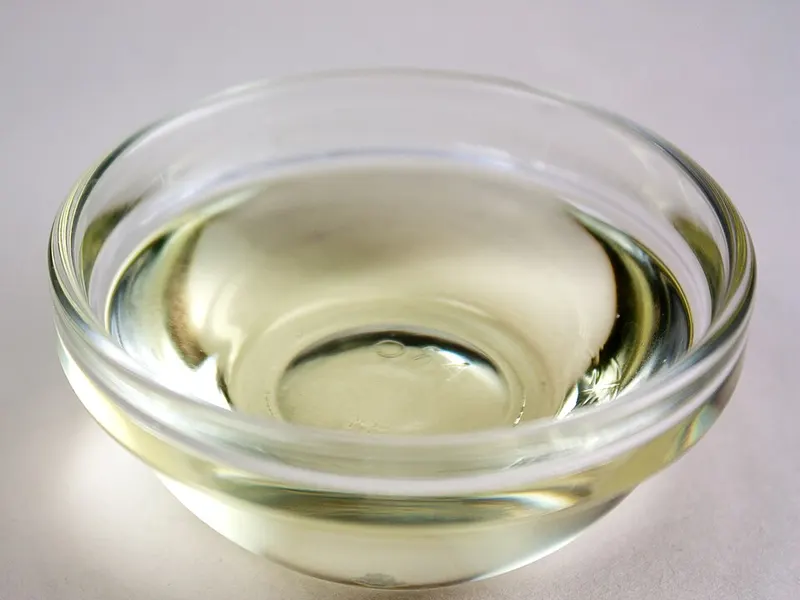
Journey Ingredient Intelligence
Canola oil
Key Takeaways: The Base: Corn, Oil, and Salt The first three ingredients on a Doritos Nacho Cheese bag are whole corn, vegetable oil (corn, canola, and/or sunflower oi…
Canola oil: 884 kcal and 0.0 g protein per 100 g; top producer Canada (14.1%, 2023); 3.77 kg CO2e per kg.
Explore Canola oil dataAs published
15%
Supplier highlight
1000 Springs Mill
Lists Brown Beans, Butterfly Popcorn, White Wheat Flour, Flint Corn, Blue on the market graph.
View 1000 Springs Mill dataJourney Ingredient Intelligence · Comparison
Corn
Cheddar cheese
Data from this story