Are Doritos Bad for You? What the Ingredient List Tells CPG Formulators About Snack Design

Quick answer
Doritos might be the most reverse-engineered snack product in the CPG industry — not by nutritionists, but by food scientists trying to understand how a 40-ingredient chip became a global category leader. The search query "are Doritos bad for you" pulls millions of hits every year. But if you're an R&D lead or formulator, the more useful question is: what does that ingredient list actually reveal about how this product was designed, and what's worth borrowing?
This breakdown covers the Doritos formula from a formulator's perspective — flavor architecture, texture engineering, cost tradeoffs, and the nutrition profile that's made the brand both iconic and controversial.
What's Actually in Doritos: The Ingredient Deck
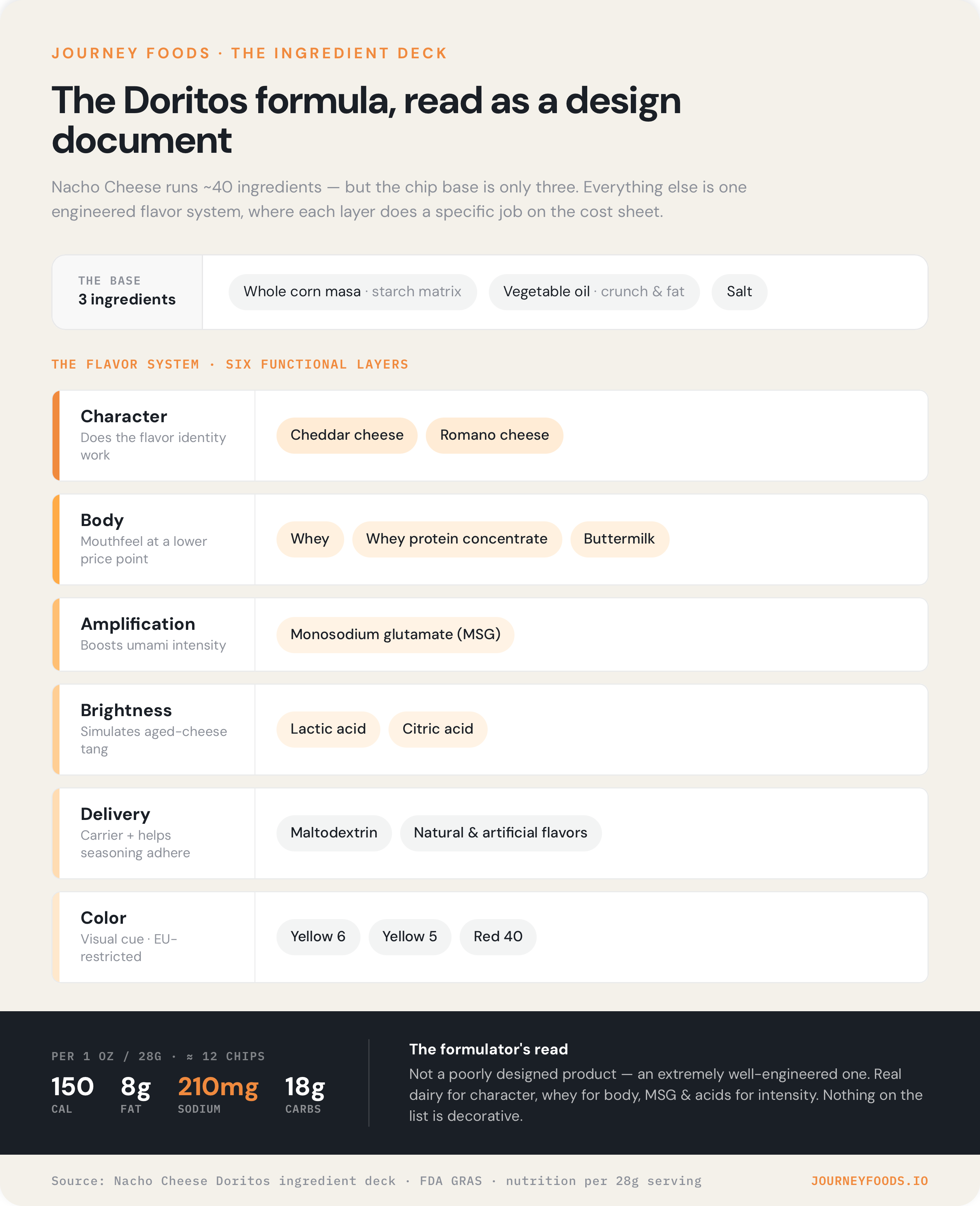
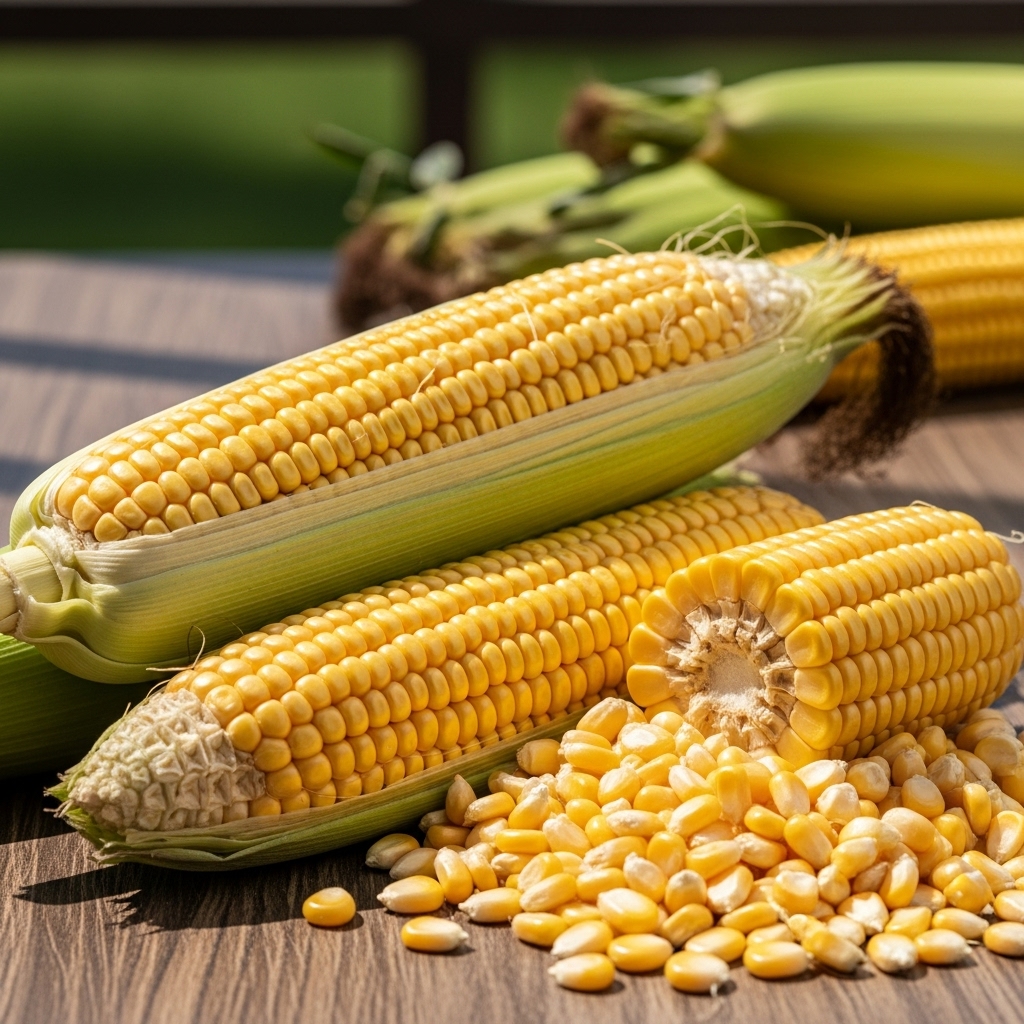
The Nacho Cheese flavor — the original, still the top seller — runs roughly 40 ingredients depending on the market. The base is simple: whole corn, vegetable oil (corn, canola, or sunflower), and salt. Everything after that is flavor system.
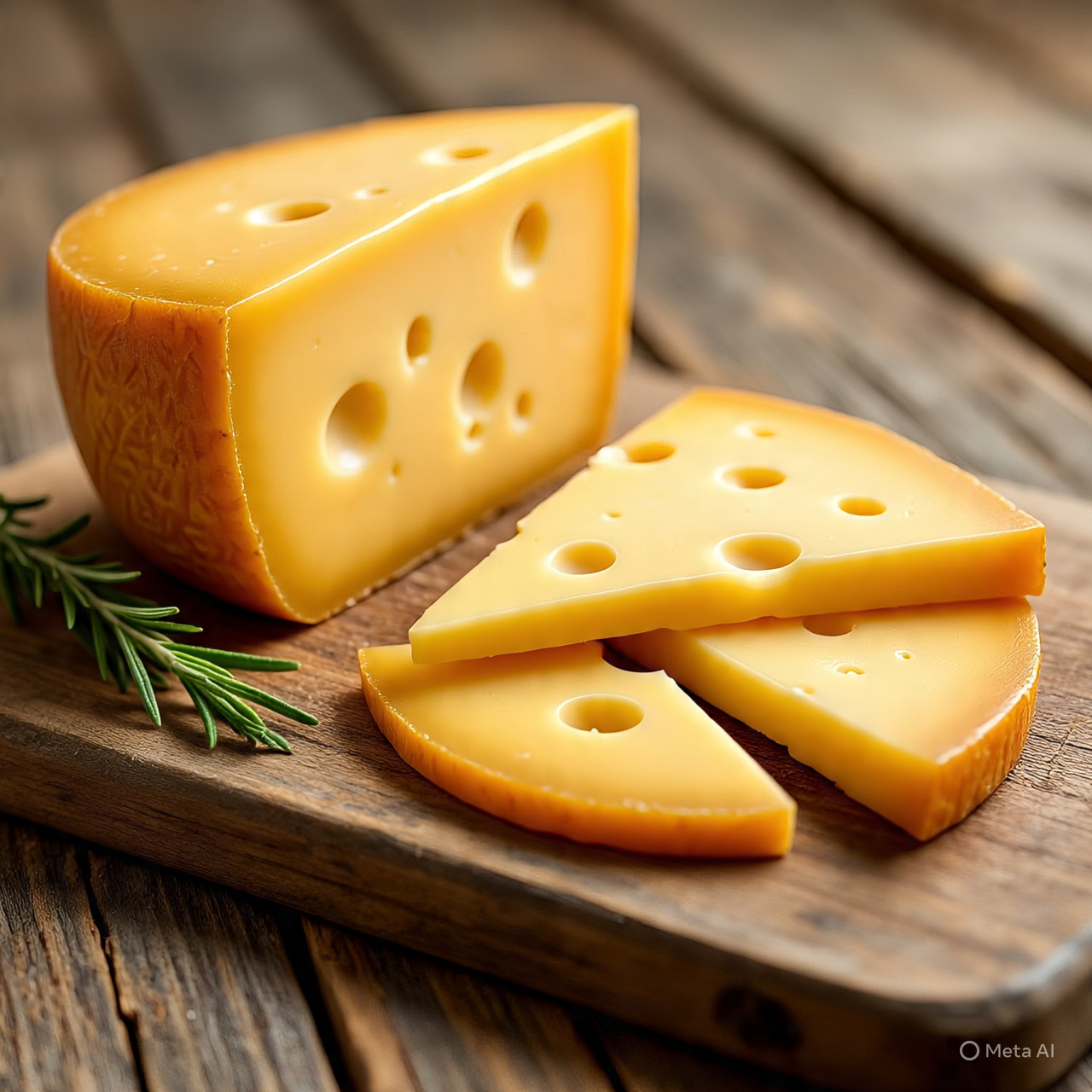
The seasoning blend is where the complexity lives: cheddar cheese, whey, buttermilk, romano cheese, whey protein concentrate, onion powder, garlic powder, monosodium glutamate (MSG), natural and artificial flavors, lactic acid, citric acid, artificial color (Yellow 6, Yellow 5, Red 40), and maltodextrin. Regional variants swap or add ingredients, but the core architecture stays consistent across markets.
The Flavor System Is the Product
The cheese seasoning on a Dorito isn't just cheese. It's a layered system engineered to hit multiple taste receptors at once. MSG amplifies umami. Lactic acid and citric acid add brightness and simulate the tang of aged cheese. Maltodextrin acts as a carrier for volatile flavor compounds and helps the seasoning adhere to the chip surface.
This is a well-established approach in savory snack design: anchor with real dairy (cheddar, whey, buttermilk), then extend and amplify with flavor enhancers and acids. The result reads as "cheese" to the palate but delivers more intensity and persistence than actual cheese would at the same cost.
For formulators, the cost logic here is worth studying. Cheddar and romano do the character work. Whey and whey protein concentrate add body and mouthfeel at a lower price point. MSG and the acid blend handle amplification. Each ingredient earns its place on the cost sheet — nothing is decorative.
Texture Engineering: The Chip Itself
The tortilla chip base is a relatively simple sheeted-and-baked or extruded format. Whole corn masa provides the starch matrix. Vegetable oil contributes fat content and directly affects crunch texture and mouthfeel after the bite.
The specific oil blend in Doritos has shifted over the years in response to cost pressure and supply availability. Corn, canola, and sunflower oil each carry different flavor profiles, smoke points, and cost curves. An oil substitution that looks neutral on paper can change the finished product's flavor and shelf life in ways that only show up after production. Formulators working in this category need to track those tradeoffs in real time, not after a formula is locked.
The Nutrition Profile: What the Numbers Say
Journey Ingredient Intelligence
Corn
The base is simple: whole corn, vegetable oil (corn, canola, or sunflower), and salt.
A South American tree in the family Lecythidaceae.
A standard 1-ounce (28g) serving of Nacho Cheese Doritos contains approximately:
The sodium number looks moderate per serving. The problem is that 28g is roughly 12 chips, and actual consumption patterns push well past that. That gap between serving size and eating behavior is exactly why the "bad for you" framing persists in consumer media.
The Additives Conversation
MSG is the most debated ingredient in the Doritos deck. The FDA classifies it as generally recognized as safe (GRAS), and the scientific consensus supports that position. The negative reputation traces back to poorly designed studies and cultural bias, not toxicology. For formulators, MSG remains one of the most cost-effective umami enhancers available. Its use here is technically sound.
Artificial colors — Yellow 6, Yellow 5, Red 40 — are approved in the US but face restrictions and mandatory warning labels in the EU. If your formulation targets international retail or clean-label channels, this is a real design constraint, not just a marketing preference. It needs to be addressed at the formula stage, not during retailer review.
Maltodextrin is frequently misread. It has a high glycemic index, but at the quantities used in seasoning systems, its glycemic contribution is minimal. Its function in this formula is as a carrier and adhesion aid — it's doing a technical job, not a nutritional one.
What Doritos Teaches CPG Formulators About Snack Design
1. Cost-Effective Flavor Layering
The Doritos seasoning system is a practical model for building a high-impact flavor profile without leaning on expensive single-source ingredients. Real dairy for character. Flavor enhancers for intensity. Acids for brightness. Carriers for delivery. The architecture is replicable, and the cost logic is transferable.
This matters if your team is working on savory snacks, plant-based seasonings, or any product where flavor intensity needs to outperform its cost. The ingredient cost optimization frameworks CPG teams use to cut costs without sacrificing quality apply directly to this kind of seasoning design.
2. Clean Label Pressure Is Reshaping This Architecture
The Doritos formula is not clean label by any reasonable definition. Artificial colors, MSG, and a long additive list put it well outside the positioning most mid-market CPG brands are targeting. But the underlying design logic — layered flavor, functional carriers, cost-managed dairy — is entirely transferable to cleaner systems.
Natural flavor systems can replicate much of what MSG and artificial flavors do, but at higher cost and sometimes lower consistency. Yeast extracts, fermented ingredients, and natural acid blends are the standard substitutes. The tradeoff is real: clean-label seasoning systems typically require more formulation iterations to hit the same flavor intensity, and the cost delta is meaningful at scale.
Journey Ingredient Intelligence
Cheese (Cheddar)
The seasoning blend is where the complexity lives: cheddar cheese, whey, buttermilk, romano cheese, whey protein concentrate, onion powder, garlic powder, monosodium g…
A dairy product made from fermented milk.
3. Supply Chain Exposure in a 40-Ingredient Product
Forty ingredients means forty supply chain dependencies. The Doritos formula combines commodity inputs — corn, vegetable oil — with specialty dairy and flavor components that have much narrower supplier pools. When dairy markets tighten or a flavor house has capacity issues, a product this complex absorbs the impact across multiple line items simultaneously.
For R&D teams building similar products, this is an argument for mapping supply chain risk at the ingredient level before you finalize a formula. The ingredient trends CPG R&D teams are tracking in 2026 include exactly this kind of pressure on dairy and oil inputs — and the sourcing decisions that follow.
4. Flavor Architecture vs. Nutrition Positioning
Doritos was never designed to be nutritious. It was designed to be irresistible. That's a legitimate product strategy, but it generates a specific kind of consumer backlash — visible in search volume and increasingly in retail buyer conversations about better-for-you positioning.
If your product sits in the better-for-you snack space, the Doritos formula is most useful as a contrast model. The flavor layering logic is worth borrowing. The specific calls on sodium, fat type, and additive use don't have to follow. The design principles transfer; the ingredient choices are where you diverge.
The Formulator's Takeaway
Doritos is not a poorly designed product. It's an extremely well-engineered one — optimized for flavor intensity, cost efficiency, and shelf stability at massive scale. The "bad for you" framing is a consumer health question. The formulator's question is: what decisions produced this outcome, and which of those decisions would you make differently for your product?
The ingredient list is a design document. Reading it that way — rather than as a nutrition label — is how R&D teams extract useful signal from category leaders. For a component-by-component breakdown of the full Doritos deck, the original ingredient analysis covers it in detail.
If your team is building in the snack category and needs to evaluate ingredient alternatives across cost, nutrition, and sustainability at the same time, that's exactly the kind of multi-criteria analysis the platform at Journeyfoods.io is built for.
FAQs
Are Doritos bad for you?
In moderate amounts, Doritos aren't acutely harmful. They're high in sodium, fat, and refined carbohydrates, and contain artificial additives that some consumers and markets restrict. Health impact depends heavily on consumption frequency and quantity — not a single serving.
Journey Ingredient Intelligence
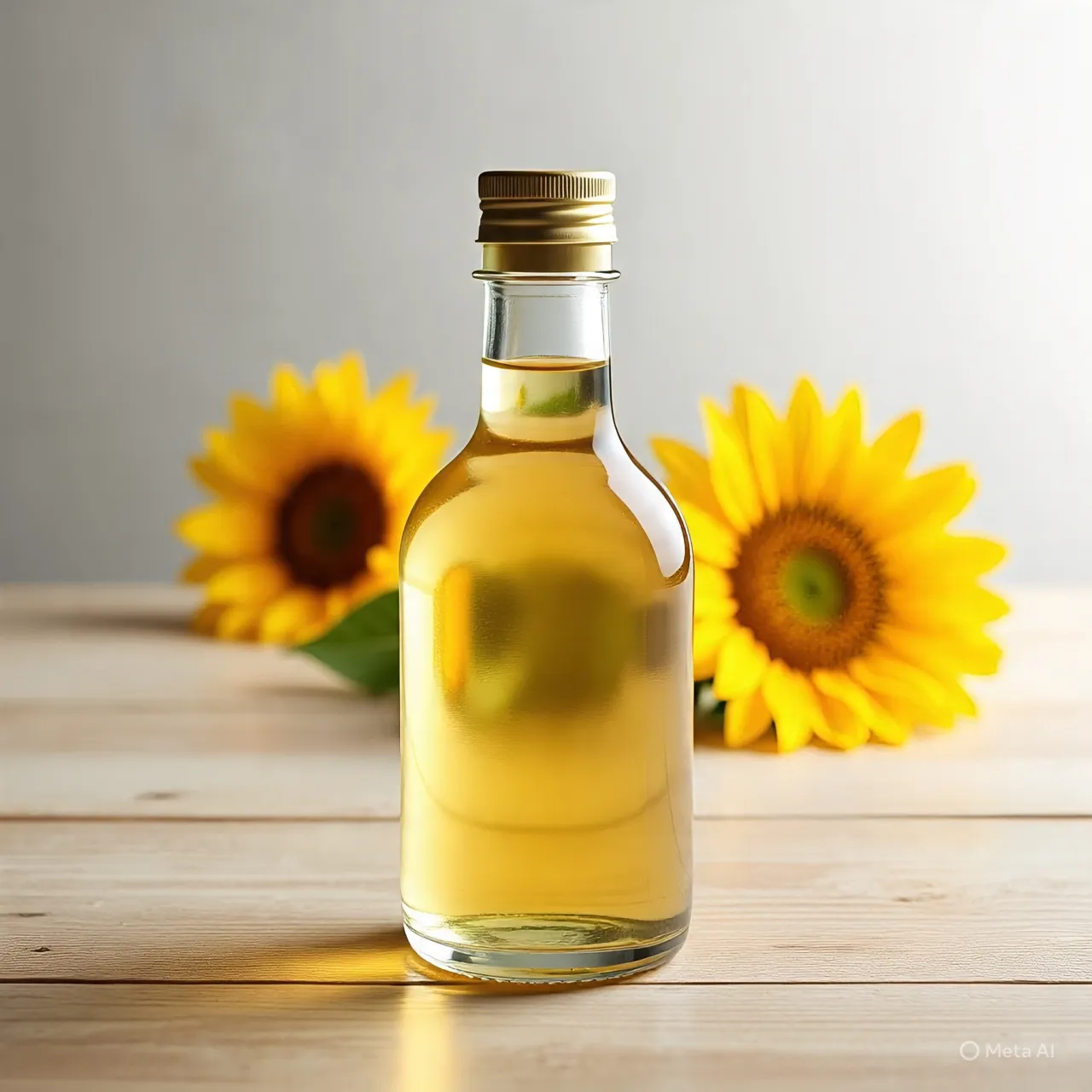
Sunflower Oil
The base is simple: whole corn, vegetable oil (corn, canola, or sunflower), and salt.
A South American tree in the family Lecythidaceae.
Nutrition. Sunflower Oil has a nutrition profile of 4,082 kcal/lb and 453.59 g total fat/lb.
Cost. Sunflower Oil is currently priced at $6.84/kg.
Sustainability. Journey AI evaluates ingredient sustainability using environmental indicators such as water usage, greenhouse gas emissions, and upcycled status.
Why does the Doritos ingredient list have so many ingredients?
Most of the count comes from the seasoning system, not the chip base. Savory snack flavor systems typically require multiple dairy components, flavor enhancers, acids, carriers, and colorants to hit the target flavor profile at commercial scale and cost.
Is MSG in Doritos dangerous?
MSG is classified as GRAS by the FDA. The scientific consensus does not support claims that MSG causes adverse health effects in the general population at the quantities used in snack seasonings.
What can CPG formulators learn from the Doritos ingredient list?
The formula demonstrates cost-effective flavor layering, functional use of carriers and enhancers, and the supply chain complexity that comes with a 40-ingredient product. It's a useful reference for savory snack development — particularly for understanding how dairy components and flavor enhancers interact at scale.
How does Doritos compare to clean-label snack formulations?
Doritos uses artificial colors, MSG, and synthetic flavor components that fall outside clean-label standards. Clean-label alternatives can replicate the flavor architecture using natural flavor systems, yeast extracts, and natural acids — but typically at higher cost and with more formulation iterations required.
What are the main supply chain risks in a product like Doritos?
Vegetable oil and corn are commodity inputs with broad supplier bases. Specialty dairy components, flavor concentrates, and specific colorants carry more risk due to narrower supplier pools and price volatility. A disruption in any of these can affect cost, consistency, or availability across the full formula.
How do food scientists use products like Doritos as formulation references?
R&D teams reverse-engineer category leaders to understand design decisions around flavor, texture, cost, and nutrition. The ingredient list functions as a design document — revealing the tradeoffs the original team made and where a new product might make different calls to hit a different positioning.
Understanding what's in a product like Doritos is step one. The harder work is applying those design principles to your own formulations while managing cost, nutrition targets, and supply chain risk simultaneously. That's where centralized ingredient intelligence makes a real difference. Book a demo to see how Journey Foods helps R&D teams do exactly that.
Journey Ingredient Intelligence
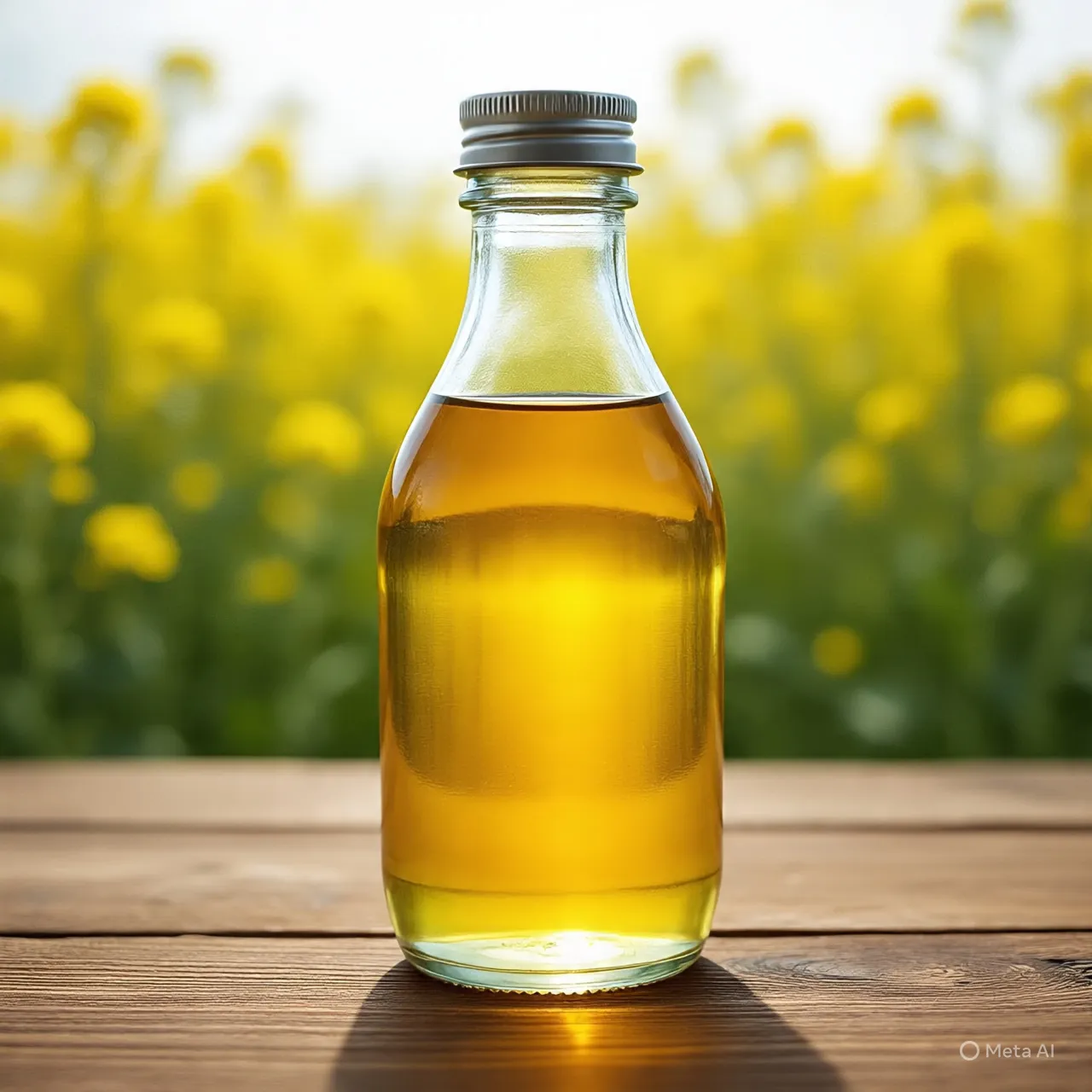
Canola Oil
The base is simple: whole corn, vegetable oil (corn, canola, or sunflower), and salt.
A South American tree in the family Lecythidaceae.
Nutrition. Canola Oil has a nutrition profile based on the current Journey Foods nutrition table: Calories: 4010 kcal/lb, Protein: 0.00 g/lb, Fiber: 0.00 g/lb, Total Sugars: 0.00…
Cost. Canola Oil is currently priced at $1.04/kg.
Sustainability. Canola Oil: Journey AI evaluates ingredient sustainability using environmental indicators such as water usage, greenhouse gas emissions, and upcycled status.
Supplier highlight
1000 Springs Mill
Lists Brown Beans, Butterfly Popcorn, White Wheat Flour, Flint Corn, Blue on the market graph.
View 1000 Springs Mill dataJourney Ingredient Intelligence · Comparison
Corn
Cheese (Cheddar)
Data from this story