The Pie: Where community eats + tariff updates


Quick answer
Where community eats, McDonald's goes GLP-1, whey hits a 50% tariff, and labels split SNAP

The Pie: Protein Went Drive-Thru. Trust Fell to 31%.
McDonald's is retooling for GLP-1 appetites, whey got a 50% tariff at the Canadian border, and labels are splitting in three directions. Shoppers want more from less, and they're double-checking all of it.
Hey Pies,
It's been a wonky fall: I've been in New York for a bit, working with partners and clients and speaking. Lots of great energy, and lots of solutions we need to keep top of mind.
My week in headlines: McDonald's is eyeing an $8.5 billion menu overhaul built around protein and smaller portions. 7 Brew will put 15 grams of protein in your lemonade for $2. Today,only 31% of shoppers feel confident their food is safe.
It all comes back to one thing. People are eating less, asking more of every bite, and trusting less of what's on the label. The brands that can prove their claims are getting the order.
Here's what we're tracking, and what we think it means.
Stay easy,
Riana & Team 🌱
in this issue
● Community Pie: Signals from the room
● Warm Fillings: Smaller portions, pricier protein, shakier trust
● Policy × Shelf: Three label fights, one shopper.
● The Slice: Halloween, now with less chocolate.
● Quick Bites: Quick hits before you go
Photos, left to right: courtesy of CultureCon (1 and 2) · via Emma Forman (3) · PlanetHAUS session video still (4) · Chloe Jackman Photography for PlanetHAUS (5)
Community Pie
Signals from the room
Journey Ingredient Intelligence
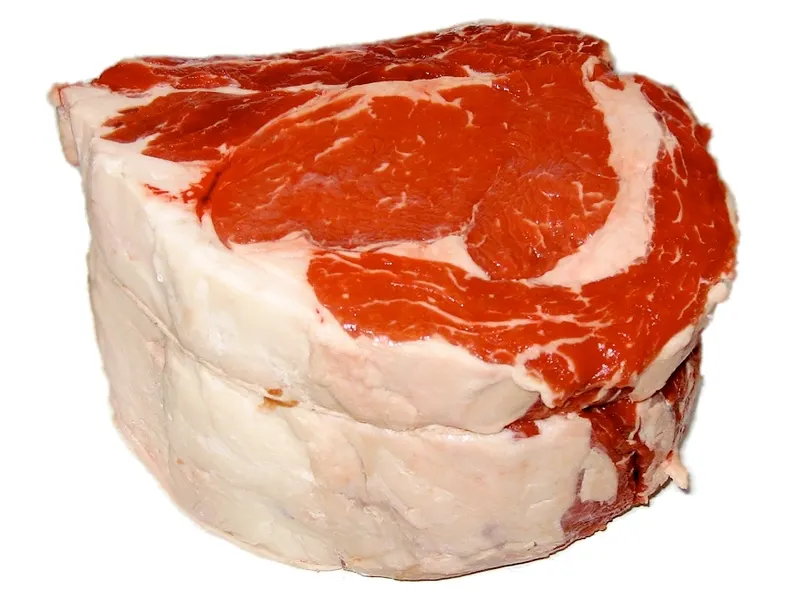
Beef
Beef got pricier.
Beef: 254 kcal and 17.2 g protein per 100 g; top producer United States (17.6%, 2024); 99.48 kg CO2e per kg.
Some of our best signals come from rooms, not data feeds. Three from the past few weeks:
PlanetHAUS × NYC Climate Week. On Sept 21 we brought "Taste, Culture & the Algorithm" to the Chief Clubhouse: machines can make the options infinite, but taste decides what's worth wanting. Under the theme Design Saves the Planet, 1,500+ people came through the HAUS. Watch the talk →
CultureCon 2026. "Museum of Us" took over the Brooklyn Navy Yard Oct 3 to 4 with about 12,000 creatives. On the food side, we were in the room for a food talk with Nina Oduro of Dine Diaspora and Jon Gray of Ghetto Gastro, the Bronx culinary collective. See the festival →
Myca Collective. Emma Forman's community started as a six-person WhatsApp group. Today it's 400+ women building across food, CPG, and climate. Apply to join →
Pull up a chair. 🌱
Warm Fillings
Smaller portions, pricier protein, shakier trust
1. Fast food is getting smaller and more protein-heavy. McDonald's is exploring "McDonald's Next," a ten-year, $8.5B overhaul: smaller portions, bowls, wraps, egg bites. It counts ~30 million Americans on GLP-1s, ~60 million more chasing protein, and says 84% of GLP-1 households still visit (Fortune). So what: Your foodservice customers will be asking for smaller, protein-forward formats. Have the spec sheets ready before the RFP lands.
2. Protein is now a $2 add-on. On Oct 1, 7 Brew took its Protein Boost nationwide: 15g added to any drink at 900+ stands. The protein is pork collagen, not whey (QSR Pro). When whey costs this much, operators pick the protein they can actually get. Protein claims are drawing lawyers, too. A proposed class action filed Oct 2 says Starbucks' eight "sugar-free" protein lattes and matchas carry 13 to 21g of sugar per venti, from the lactose in milk; Starbucks says the suit has "no merit" (CBC). So what: If you switch protein sources, check that your claims, allergen statements, and vegetarian/halal/kosher positioning still hold.
3. Whey is now caught in the trade war. Canada put a 50% retaliatory tariff on U.S. whey on Sept 8. WPC80 rose 60% in 2025, and buyers saw another 76% increase by June (CBC). On the U.S. side, USDA reports WPC80 trading in the low-to-mid $10s/lb and WPI in the $14s, with WPC34 inventories "extremely tight" (USDA Dairy Market News, Oct 1). So what: Where your protein comes from is now a risk, not just what it costs. Substitutes are broken down in our whey shortage piece.
31%
OF CONSUMERS CONFIDENT IN FOOD SAFETY (AUGUST), DOWN 9 POINTS IN 9 MONTHS: University of Illinois/Purdue survey via Food Industry Executive
4. The recalls keep coming. In early October alone: Listeria in a Walmart bettergoods frozen fettuccine, more lots of Great Value and Trader Joe's frozen organic berries recalled for E. coli, and undeclared milk in Nature's Own Hawaiian bread (FDA recalls). In the same survey, 49% of shoppers said food-safety worries changed what they bought last month. FDA also closed its probe into the summer's record cyclospora outbreak (12,883 sick across 21 states), citing strong evidence linking it to recalled shredded iceberg from Taylor Farms' Mexico subsidiary, while saying it couldn't pin down exactly how the contamination happened (Reuters via Produce Market Guide). FDA doesn't start enforcing its traceability rule until July 2028. So what: Shoppers aren't waiting for 2028. They already expect you to trace a lot in an afternoon.
5. Big CPG is cutting brands to grow. Conagra is exiting Celeste frozen pizza and reviewing its 400+ single-serve meal SKUs, while putting more money behind meat sticks and popcorn (Food Dive). Meanwhile Hormel is paying $1.055B for chicken processor Brakebush, and Sargento bought La Terra Fina to build a deli unit (FIE; PR Newswire). So what: Every SKU a big brand cuts frees up shelf space and co-man capacity. Challengers should be pitching now. (Why the old scale-and-advertise playbook stopped working: our read on McKinsey's private label report.)

Image: Journey Foods, from "The Whey Protein Shortage Is Rewriting Product Roadmaps" (Oct 1, 2026).
Policy × Shelf
Three label fights, one shopper.
Journey Ingredient Intelligence
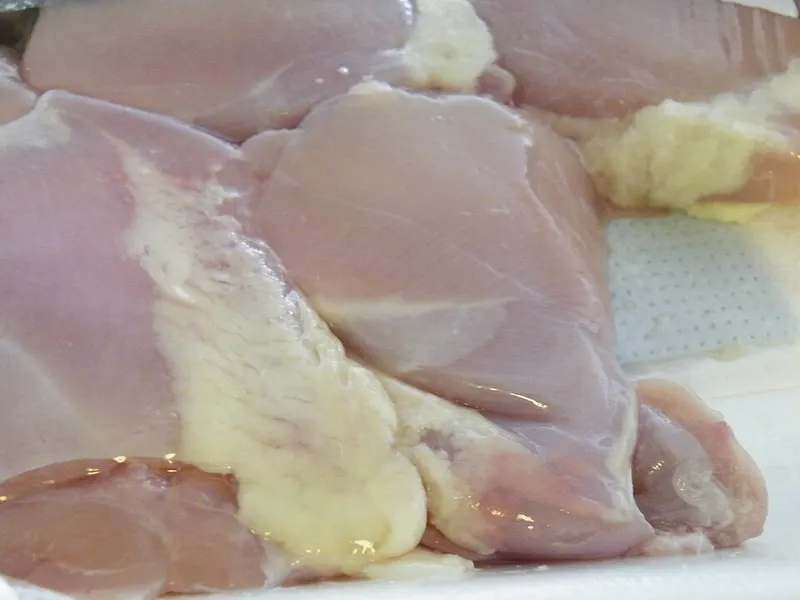
Chicken
Meanwhile Hormel is paying $1.055B for chicken processor Brakebush, and Sargento bought La Terra Fina to build a deli unit ( FIE ; PR Newswire ).
Chicken: 119 kcal and 21.4 g protein per 100 g; top producer United States (15.7%, 2024); 9.87 kg CO2e per kg.
California: As a recap, AB 2244 (signed Sept 28) creates a voluntary "Non-Ultraprocessed Certified" seal, with certifiers accredited by June 1, 2029 (Governor's office). The new wrinkle: the law doesn't say which UPF definition certifiers will use, and the federal one is still a white paper at OMB, not a rule (FIE)(Agri-Pulse). You're studying for a test that hasn't been written. (What AB 2244 actually requires, line by line.)
Poland: On Sept 24, Poland's Ministry of Health moved to phase out Nutri-Score on products made in Poland. New labeled products are allowed through 2028, and existing stock can sell through 2030 (Ministry letter via KZSM). One-size-fits-all scores are losing ground (our take).
SNAP: Soda and candy limits are already in force in eight states. Montana, North Dakota, Ohio, South Carolina, and Virginia are scheduled to start Nov 1, and a court vacated the waivers for Colorado, Iowa, Tennessee, and West Virginia (USDA FNS waivers).
One country is dropping a score, one state is adding a seal, and SNAP is drawing lines at the register. So what: Skip the separate playbook for each label. Build one ingredient-level dataset that can answer any of these tests. That's what we're building at Journey.
The Slice
Halloween, now with less chocolate.
A 100-piece bag of assorted candy averages $16.96, up 3.5% from last year and 71% since 2021 (FinanceBuzz). Cocoa is off its peak, but shelf prices haven't followed, because contracts and hedges locked in at the top are still working through (Benzinga). Expect more gummies, sours, and "chocolatey" coatings in the bowl. Kids will absolutely notice. Their parents' wallets already have. (The candy brands winning right now lead with taste, not health halos. Our take on what that teaches upcycled brands.)

Image: Journey Foods, from "Rotten Candy, Upcycled Pulp, and the End of the Pastel Aisle".

Chart: Journey Foods. Source: FinanceBuzz (updated Sept 30, 2026). 2021 and 2026 are stated; 2023 to 2025 are derived from the study's stated year-over-year dollar increases; 2022 isn't published.
As a Goosebumps science nerd. This is one of my favorite times of the year to discuss
Quick Bites
Quick hits before you go
- UAE caps salt, sugar, and fat. Per-100g limits for packaged foods phase in through 2030, with fines up to ~$136K (The National). Exporters, the clock has started. Our breakdown covers deadlines and how to fix the recipe once.
- Beef got pricier. After ICE enforcement at Kansas packing plants on Sept 24, fed slaughter fell ~16% that day, and boxed beef climbed to $379/cwt (Reuters; FIE). Labor is a supply chain input too.
- Grocers are courting GLP-1 shoppers. GIANT is running free dietitian-led GLP-1 store tours all October (Food Trade News).
- From the Journey blog: our latest, if you want to go deeper.Data Centers With a Conscience: How an AI Company Should Be Held Accountable (Starting With Us) (Oct 8)UAE Sets Salt, Sugar and Fat Limits for Packaged Food: What CPG Brands Should Do Now (Oct 7)The Whey Protein Shortage Is Rewriting Product Roadmaps (Oct 1)The Old CPG Growth Playbook Is Broken: What McKinsey's Private Label Report Means for R&D and Sourcing (Sept 30)The Future of Cereal Is Bigger Than Breakfast (Sept 29), my take on toys going back in the box.
- Data Centers With a Conscience: How an AI Company Should Be Held Accountable (Starting With Us) (Oct 8)
- UAE Sets Salt, Sugar and Fat Limits for Packaged Food: What CPG Brands Should Do Now (Oct 7)
- The Whey Protein Shortage Is Rewriting Product Roadmaps (Oct 1)
- The Old CPG Growth Playbook Is Broken: What McKinsey's Private Label Report Means for R&D and Sourcing (Sept 30)
- The Future of Cereal Is Bigger Than Breakfast (Sept 29), my take on toys going back in the box.
- From the Journey kitchen: New Site.
- Mark the calendar: World Food Day is Friday, Oct 16.

Graphic: Journey Foods, from "UAE Sets Salt, Sugar and Fat Limits for Packaged Food" (Oct 7, 2026). Data: UAE Ministry of Health and Prevention.

Image: Journey Foods, from "The Future of Cereal Is Bigger Than Breakfast" (Sept 29, 2026).
If you want to show yours, sign in to Journey and put your own products to the test.
That's The Pie. Your inbox is full of hype. We aim to send you headlines worth the digestion.
Journey Ingredient Intelligence
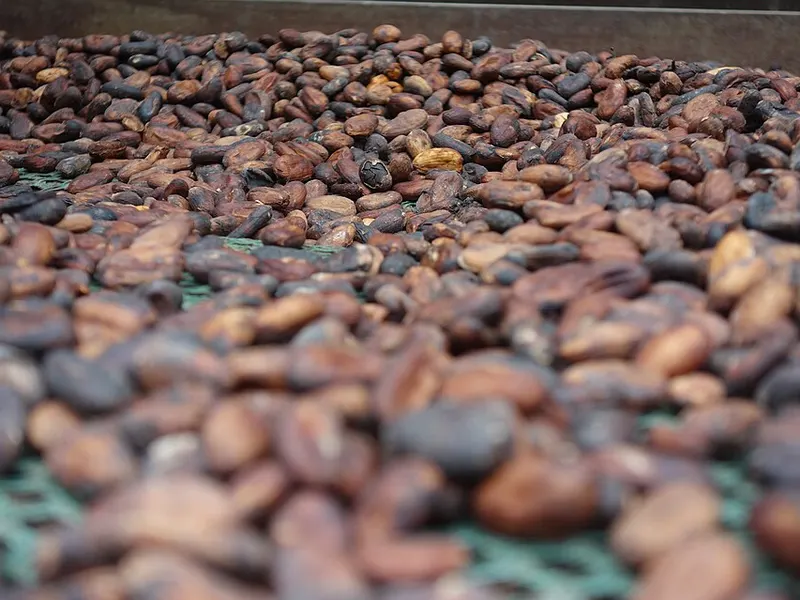
Cocoa
Cocoa is off its peak, but shelf prices haven't followed, because contracts and hedges locked in at the top are still working through ( Benzinga ).
Cocoa: 228 kcal and 19.6 g protein per 100 g; top producer Côte d'Ivoire (36.1%, 2024); 29.1 kg CO2e per kg.
Explore Cocoa dataAs published
50%
Journey Ingredient Intelligence · Comparison
Beef
Chicken
Data from this story
Shareable Journey Intelligence
The Pie: Where community eats + tariff updates
Industry Insights
50%
McDonald's is retooling for GLP-1 appetites, whey got a 50% tariff at the Canadian border, and labels are splitting in three directions.
$8.5
My week in headlines: McDonald's is eyeing an $8.5 billion menu overhaul built around protein and smaller portions.