
Field notes on consumption intelligence
Formulation, ingredients, labeling, and supply chain, written for the teams turning an idea on screen into a product on shelf.
- Articles
- 308
- Topics
- 12
- Writers
- 16
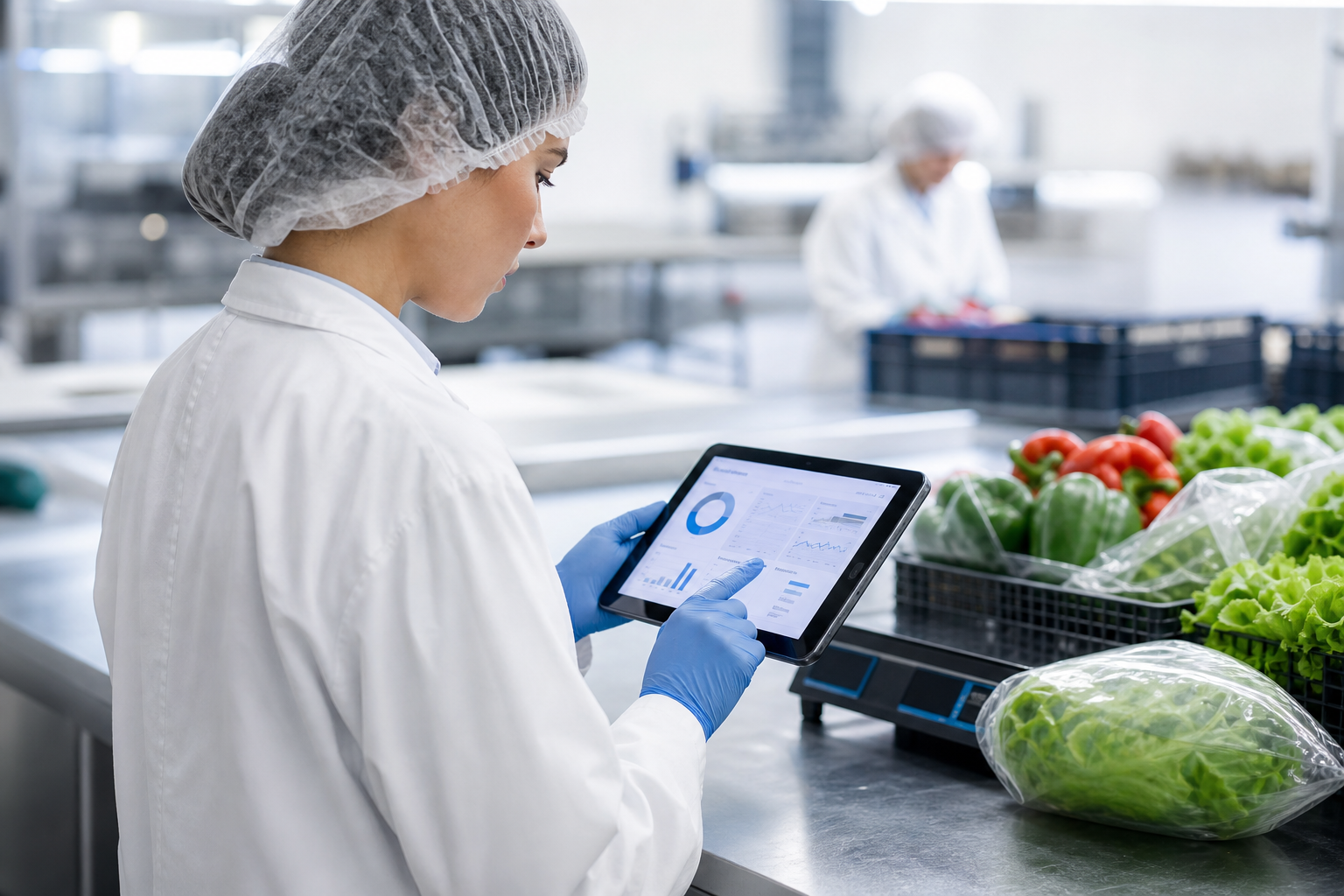
Food Safety Compliance Software: A Plain-Language Primer


Data Centers With a Conscience: How an AI Company Should Be Held Accountable (Starting With Us)
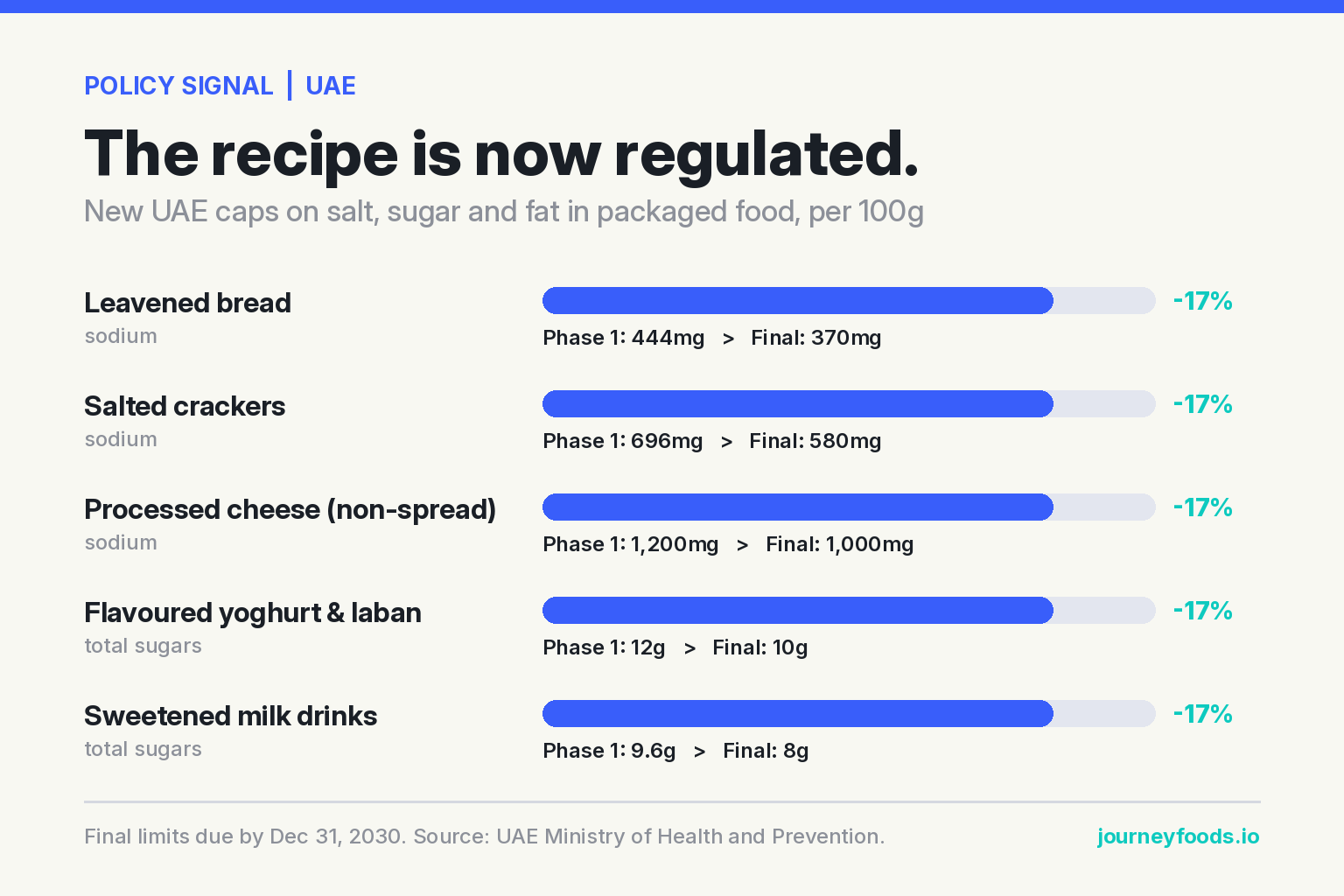
UAE Sets Salt, Sugar and Fat Limits for Packaged Food: What CPG Brands Should Do Now
Find your way in
Start with what's popular, or jump straight to a topic.
Trending
 News
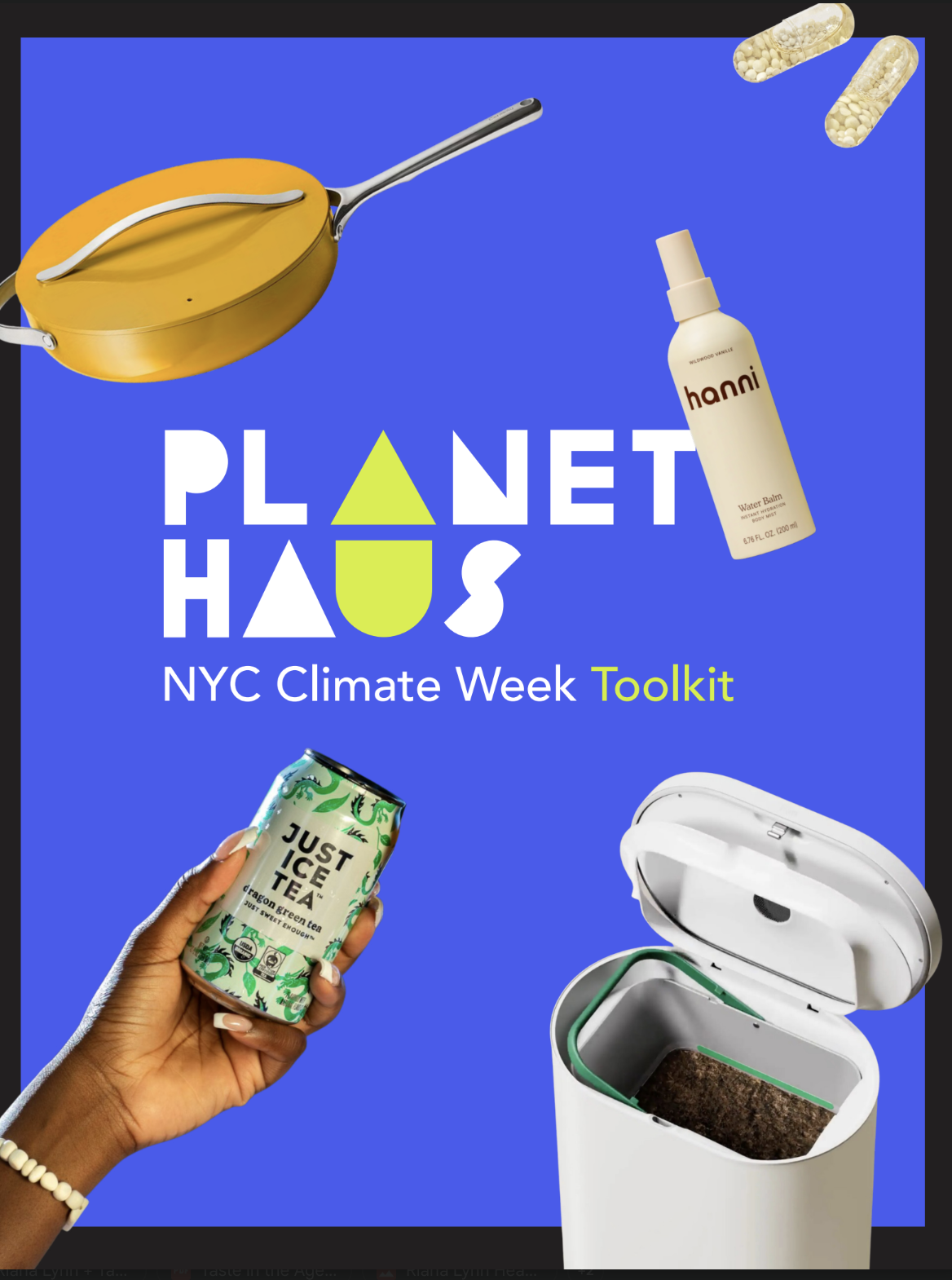
NewsBuilding a Food Future Worth Tasting at NYC Climate Week
2 min read12.7Kviews Ingredients
Ingredient Insights: The Rise of Sugar Replacement Ingredients
2 min read12.7Kviews Insights
Bladderwrack: The Superfood of the Sea
2 min read7.3Kviews Recipes
Cooking at Home vs. Eating Out. What’s Better?
6 min read6.3Kviews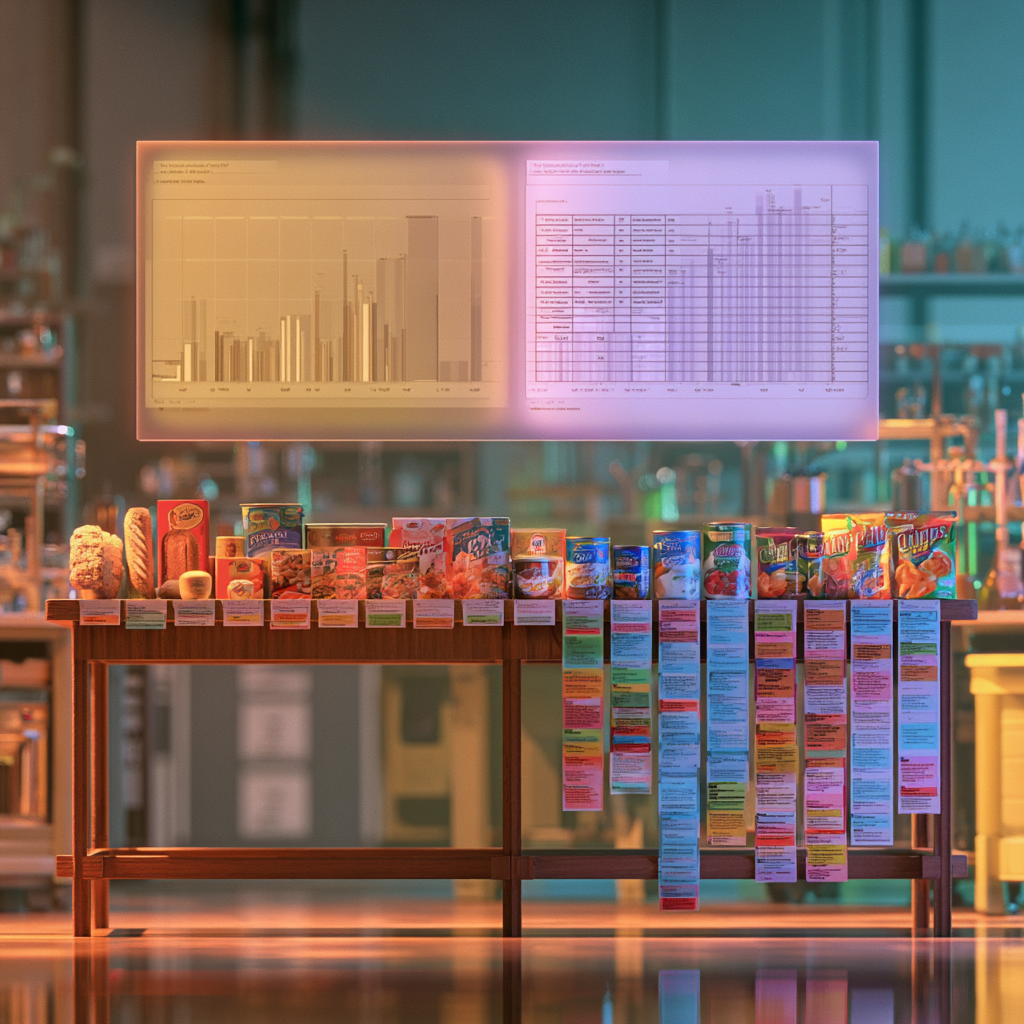 Ingredients
The Evolution of Food: How Modern Ingredients Compare to the Past
2 min read5.4Kviews
Company updates
- News
 5 min read
Journey Foods and Snowflake: enterprise ingredient intelligence, now on the AI Data Cloud
- News
 5 min read
Journey Foods and MongoDB Atlas: bring your own database, connect in minutes
- News
 6 min read
How Journey Foods Works With Kroger: What a Retail Partnership Means for Ingredient Sourcing and Private-Label Innovation
- News
 5 min read
Journey AI by Journey Foods ranks No. 1,610 on the 2026 Inc. 5000
The full archive
Search, filter by topic, or sort by newest or most views
 AI & Food Tech
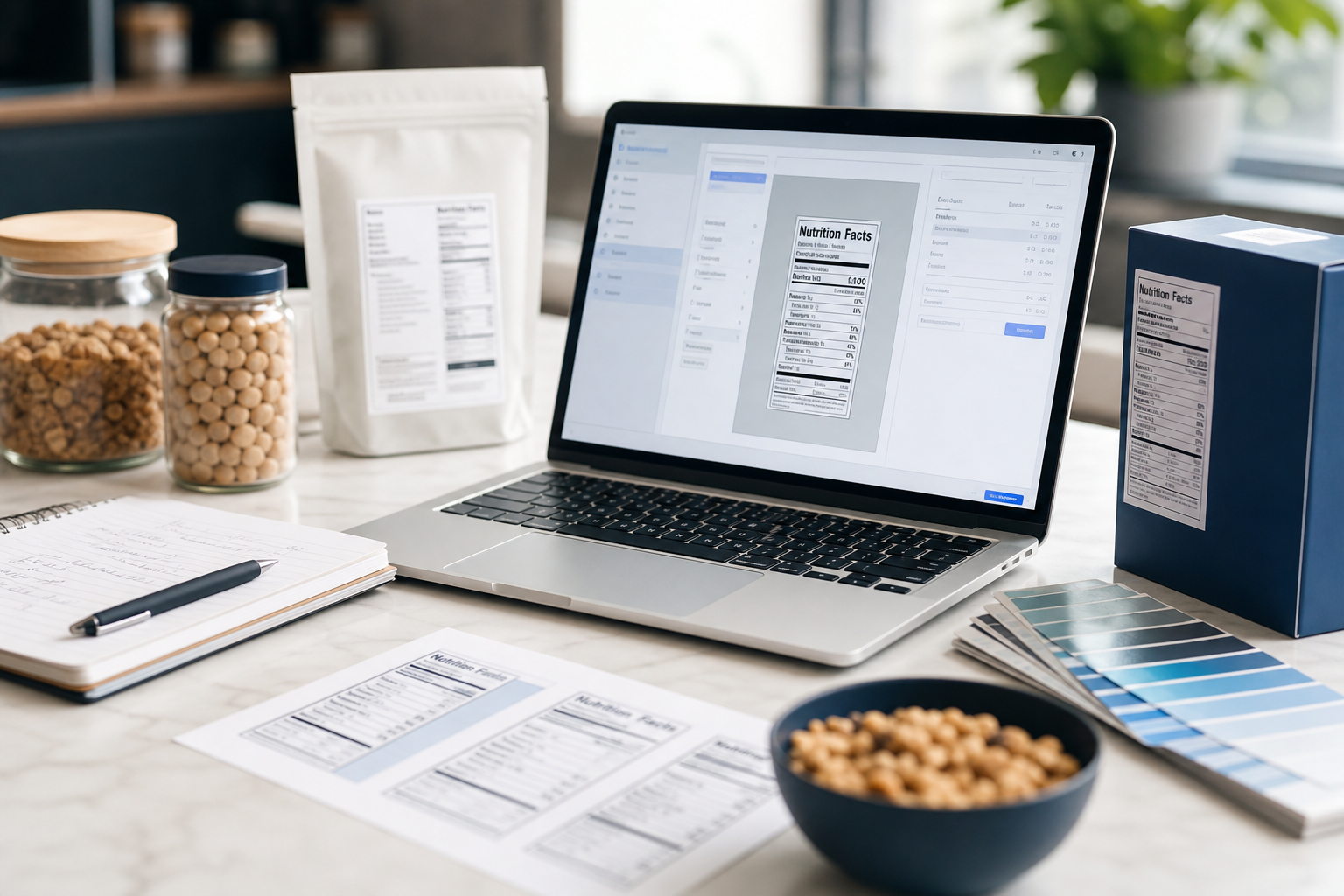
Food Label Generator Tools: What CPG Teams Actually Use
A food label generator creates FDA-compliant nutrition panels from recipe inputs. CPG teams choose among AI-enabled cloud tools, traditional enterprise software, and free printable templates based on compliance depth, allergen automation, and export needs. The right pick depends on label volume, regulatory complexity, and whether cost-in-use analysis is part of your workflow.
 Industry Insights
California's New 'Non-Ultraprocessed Certified' Label (AB 2244): What It Means for CPG Reformulation, Ingredient Sourcing, and Supplier Risk
Quick Answer: California's AB 2244, signed into law on September 28, 2026, creates the nation's first government-backed voluntary "Non-Ultraprocessed Certified" seal. Certification agents can begin certifying products no later than June 1, 2028. For CPG R&D and procurement teams, the clock is already running. Key Takeaways: - The retailer shelf-placement requirement is a commercial incentive, not just a compliance checkbox. Retailers with over $10 million in annual gross sales carrying more than 25 certified products must prominently display at least 3 of them, endcap, checkout aisle, or entrance. - CDPH hasn't published the UPF definition yet. That means the window to understand your exposure, identify flagged ingredients, and evaluate supplier alternatives is now, before the rules are finalized. - This is a formulation data problem as much as a regulatory one. Teams that can map their current SKUs against likely UPF criteria before 2028 will have a meaningful head start on reformulation.
 Labeling & Nutrition
Nutrition Labeling Software: What Growing CPG Teams Need
You're evaluating nutrition labeling software because a spreadsheet, a PDF template, or a one-off label service is no longer cutting it. Maybe you're adding SKUs, entering a new market, or facing a reformulation that touches allergen declarations across three regions. The stakes are real: the FDA recorded 241 recalls and alerts for food and beverages in 2024, and compliance management accounts for 28.5% of the food labeling software market.
 Supply chain
The Whey Protein Shortage Is Rewriting Product Roadmaps: What CPG Formulators Need to Know in 2026
Whey protein concentrate is trading above $13 per lb, up roughly 250% year over year, with major processors sold out into 2027. No substitute is a clean 1:1 swap.
 Industry Insights
The Old CPG Growth Playbook Is Broken: What McKinsey's Private Label Report Means for R&D and Sourcing Teams
You know the playbook. Scale distribution. Increase ad spend. Ship an incremental line extension. Repeat.
 Formulation & R&D
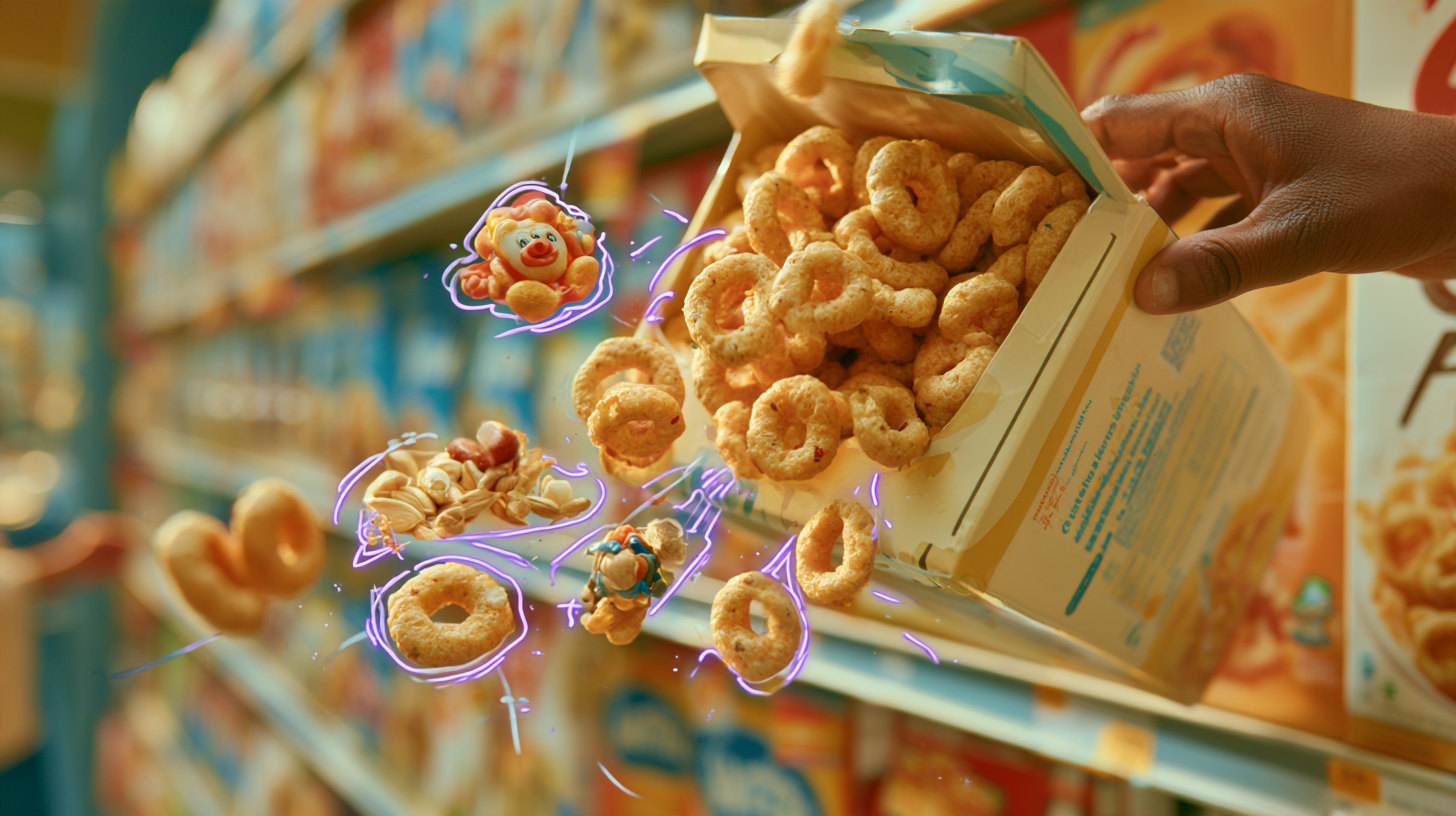
The Future of Cereal Is Bigger Than Breakfast
Cereal still has a strong economic case: it’s shelf-stable, convenient, and useful well beyond breakfast. But shoppers are weighing price against what’s actually in the box. More protein? More fiber? Ingredients they recognize? A product their family will finish?

 Ingredients
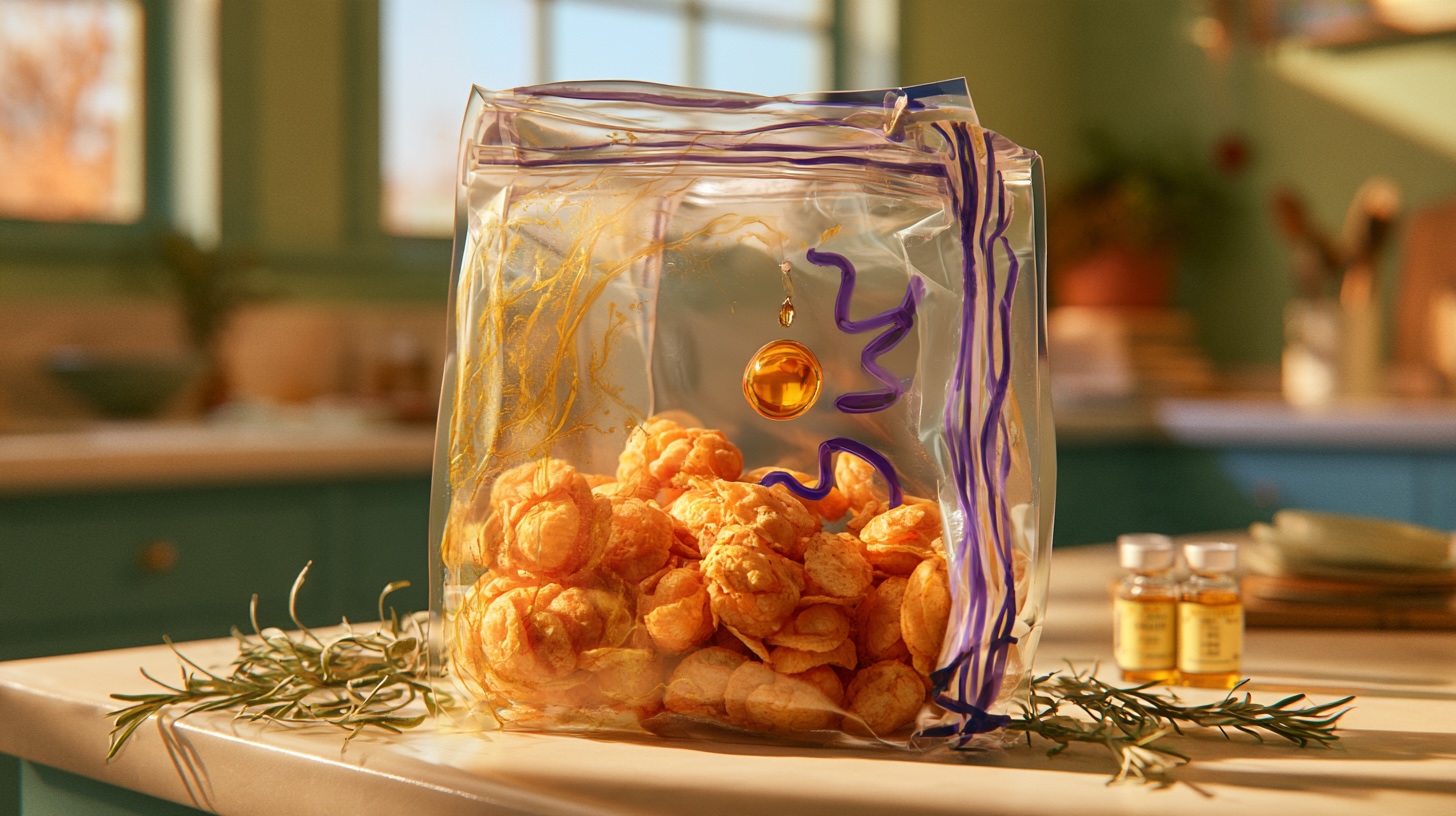
What Is BHT in Food? A Plain-Language Breakdown
BHT shows up on ingredient labels constantly, but most people, including brand teams, couldn't tell you what it actually does. If you're a food scientist or product developer, you've probably worked with it, worked around it, or had to explain it to someone who flagged it on a label scan. This article covers what BHT is, how it functions in formulation, where it appears, what the regulatory picture looks like, and why so many CPG teams are actively rethinking it.
 Industry Insights
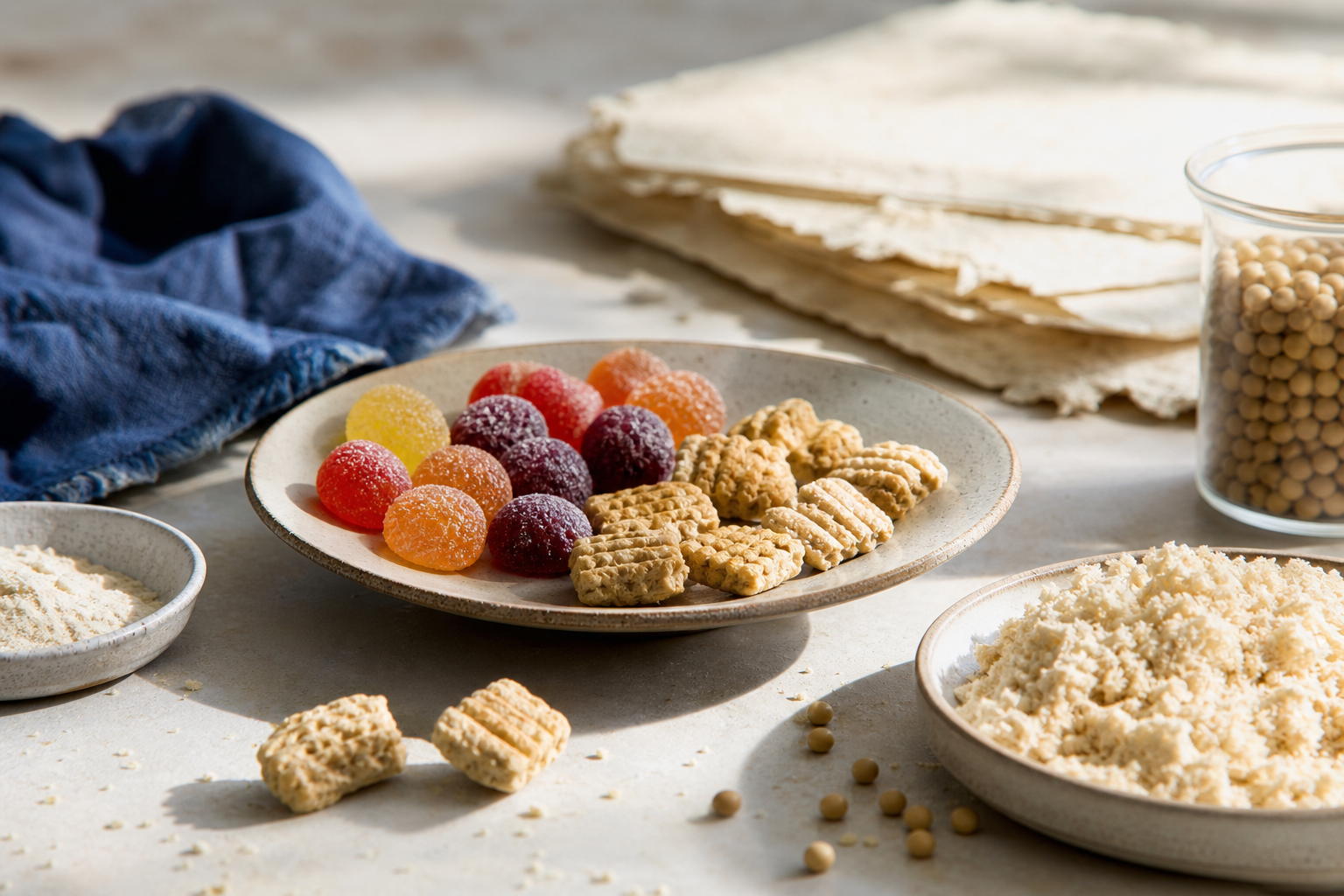
Rotten Candy, Upcycled Pulp, and the End of the Pastel Aisle: What Okara Can Learn From Candy's Taste-First Playbook
You've seen the pastel aisle. Soft sage green. Muted cream. A sans-serif font that whispers "wellness." Somewhere in the ingredient list, buried between oat fiber and sunflower lecithin, is the upcycled byproduct that was supposed to be the whole point.
 Ingredients
Maltodextrin in Food Formulation: Nutrition, Cost, and Sustainability Breakdown for CPG Teams
Quick Answer: Maltodextrin is one of the most widely used functional ingredients in CPG formulation, but its nutrition profile, cost sensitivity, and sustainability footprint are frequently misread by R&D teams. Here's what you actually need to know before it ends up in your next formulation.
 Industry Insights
Journey Foods API: What Developers and Technical Teams Can Build With Ingredient Data
Food ingredient data is messy, fragmented, and expensive to maintain. If you've tried to build anything meaningful on top of it, a nutrition calculator, a formulation tool, a supp
 Ingredients
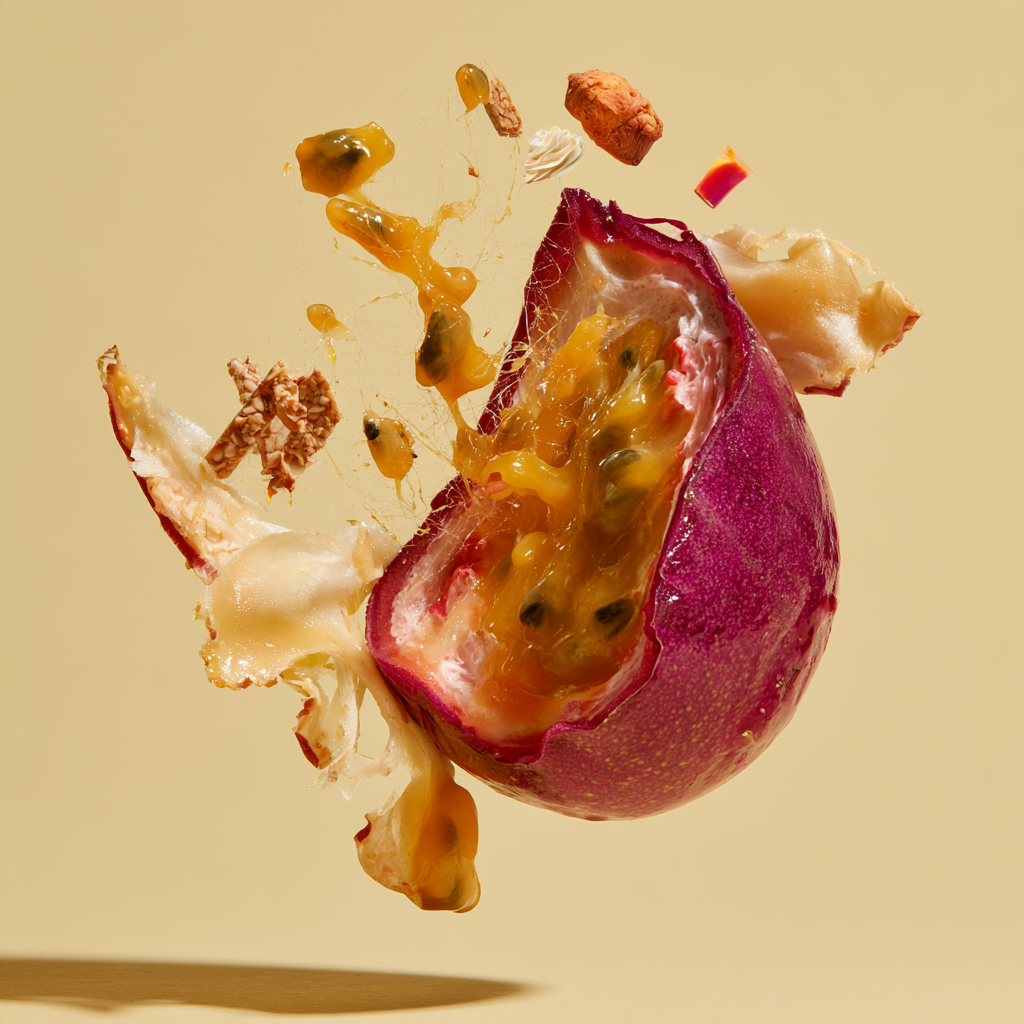
Passion Fruit Fiber: Nutrition, Yield, and CPG Use Cases
Quick Answer: Passion fruit fiber comes from the seed and shell of the fruit after juice extraction. It offers a strong dietary fiber content, a favorable soluble-to-insoluble ratio, and a functional profile that works across bars, beverages, baked goods, and dairy alternatives.
 Ingredients
Foods With BHT: What's in Your Pantry Right Now
Quick Answer: BHT (butylated hydroxytoluene) is a synthetic antioxidant preservative found in dozens of common pantry staples, breakfast cereals, snack crackers, cooking oils, and more. It prevents fat oxidation and extends shelf life, and it's also one of the most scrutinized additives in the food supply right now.
Showing 12 of 305
Journey AI
Build with Journey.
Save time and money on formulation, sourcing, and the supplier decisions that used to take weeks.
Book a demo