
Field notes on consumption intelligence
Formulation, ingredients, labeling, and supply chain, written for the teams turning an idea on screen into a product on shelf.
- Articles
- 322
- Topics
- 11
- Writers
- 16
Food and Beverage Software: A Complete Buyer's Guide


How Nutrient Analysis Programs Work and What to Look For

The Pie: Cocoa Came Down. Candy Didn't.
Find your way in
Start with what's popular, or jump straight to a topic.
Trending
 Recipes
Cooking at Home vs. Eating Out. What’s Better?
6 min read1.1Mviews Insights
Journey Foods' 2027 Food Trends: What We Are Watching Next
6 min read1Mviews Ingredients
The Evolution of Food: How Modern Ingredients Compare to the Past
2 min read653Kviews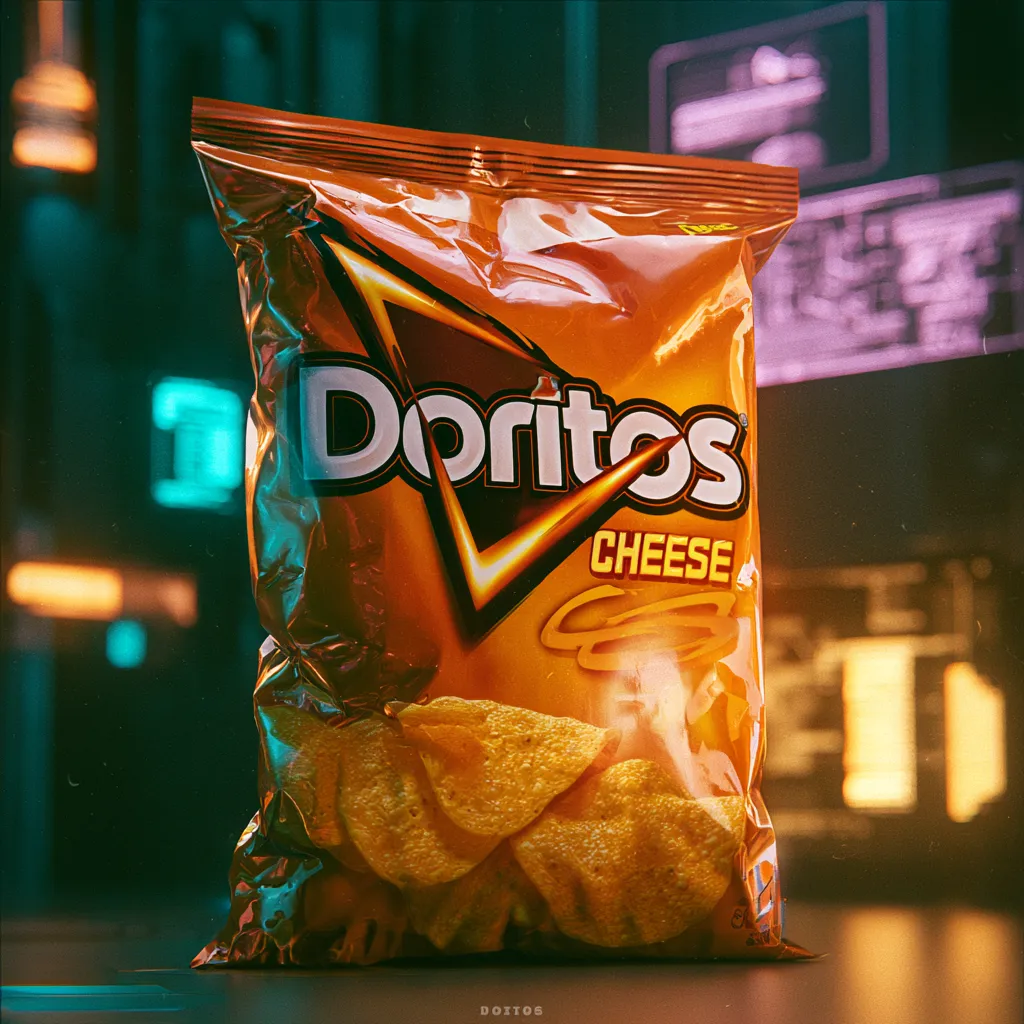 Ingredients
Are Doritos Bad for You? What the Ingredient List Tells CPG Formulators About Snack Design
7 min read582.3Kviews Supply
Cooking at Home vs Eating Out: The Real Cost Breakdown in 2026
7 min read530.6Kviews
Company updates
- News
 2 min read
Building a Food Future Worth Tasting at NYC Climate Week
- News
 5 min read
Journey Foods and Snowflake: enterprise ingredient intelligence, now on the AI Data Cloud
- News
 5 min read
Journey Foods and MongoDB Atlas: bring your own database, connect in minutes
- News
 6 min read
How Journey Foods Works With Kroger: What a Retail Partnership Means for Ingredient Sourcing and Private-Label Innovation
The full archive
Search, filter by topic, or sort by newest or most views

The Whey Protein Shortage Is Rewriting Product Roadmaps: What CPG Formulators Need to Know in 2026
Your whey protein supplier just quoted you 250% above last year's price. Your contract is up, the next allocation window is 2027, and your product launch is in Q2.

What Is BHT in Food? A Plain-Language Breakdown
BHT shows up on ingredient labels constantly, but most people, including brand teams, couldn't tell you what it actually does. If you're a food scientist or product developer, you've probably worked with it, worked around it, or had to explain it to someone who flagged it on a label scan. This article covers what BHT is, how it functions in formulation, where it appears, what the regulatory picture looks like, and why so many CPG teams are actively rethinking it.

Maltodextrin in Food Formulation: Nutrition, Cost, and Sustainability Breakdown for CPG Teams
Quick Answer: Maltodextrin is one of the most widely used functional ingredients in CPG formulation, but its nutrition profile, cost sensitivity, and sustainability footprint are frequently misread by R&D teams. Here's what you actually need to know before it ends up in your next formulation.
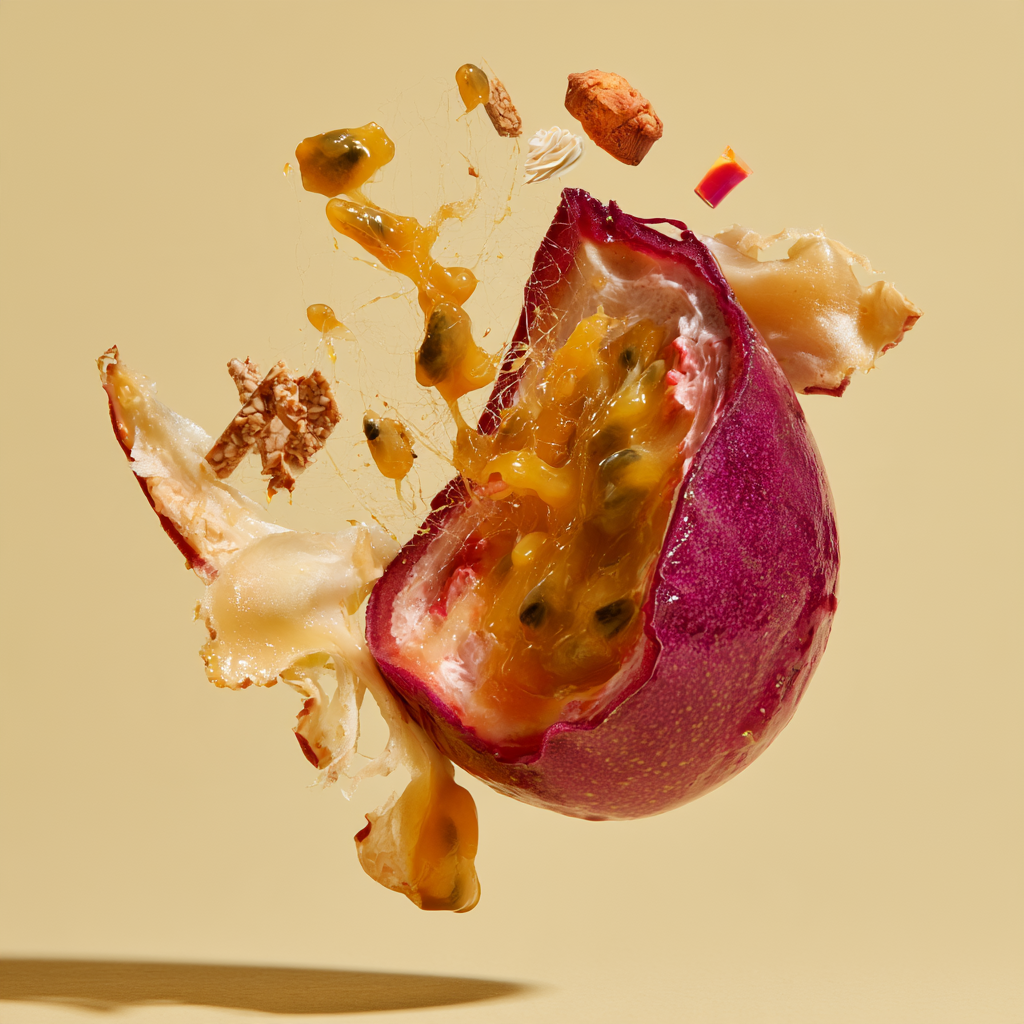
Passion Fruit Fiber: Nutrition, Yield, and CPG Use Cases
Quick Answer: Passion fruit fiber comes from the seed and shell of the fruit after juice extraction. It offers a strong dietary fiber content, a favorable soluble-to-insoluble ratio, and a functional profile that works across bars, beverages, baked goods, and dairy alternatives.


Foods With BHT: What's in Your Pantry Right Now
Quick Answer: BHT (butylated hydroxytoluene) is a synthetic antioxidant preservative found in dozens of common pantry staples, breakfast cereals, snack crackers, cooking oils, and more. It prevents fat oxidation and extends shelf life, and it's also one of the most scrutinized additives in the food supply right now.
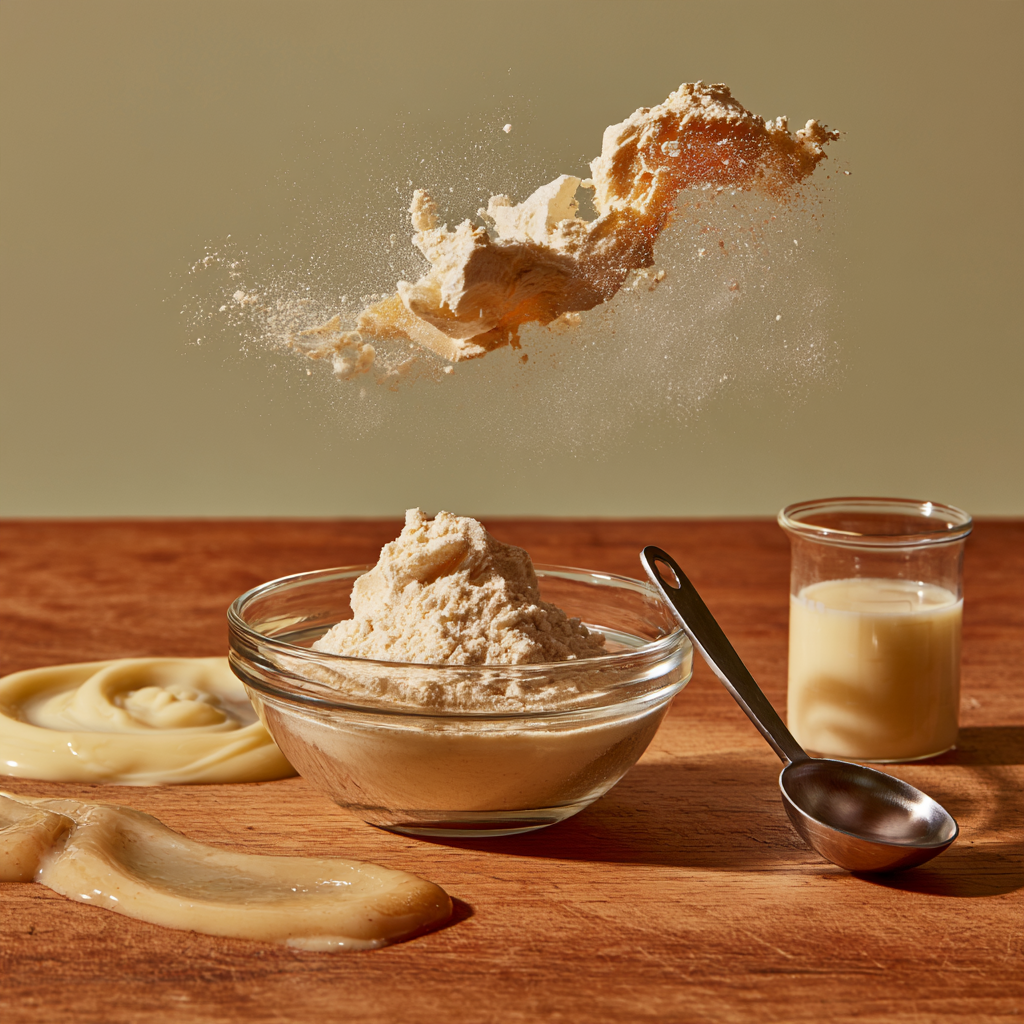
Xanthan Gum in Food Formulation: Nutrition, Cost, and Sustainability Breakdown for CPG Teams
Quick Answer: Xanthan gum is one of the most versatile hydrocolloids in CPG formulation, but evaluating it on texture alone leaves money and margin on the table. Here's a full breakdown across nutrition, cost, and sustainability so your team can make a faster, better-informed call.
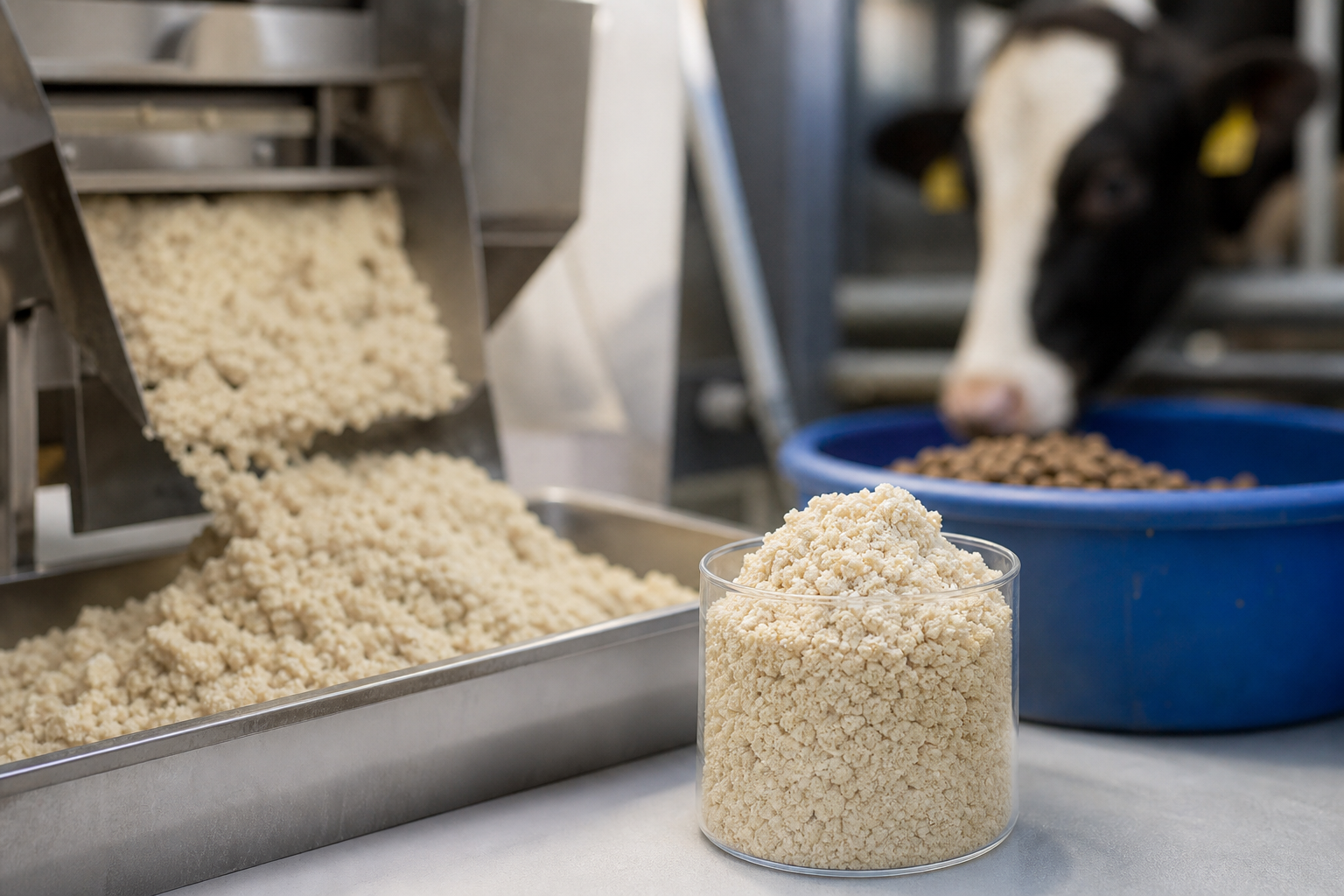
From Tofu Press to Feed Trough: Why FDA's New Animal Food Review Rules Matter for Upcycled Ingredients
You have a byproduct. It is nutritious, available in volume, and currently going to compost or landfill, because turning it into a consistent, sellable ingredient is harder than it looks.
What's Actually in an Ingredient: A Practical Breakdown of Nutrition, Cost, and Sustainability Data
The name on a spec sheet is the least useful thing on it. "Pea protein isolate" tells you almost nothing about whether that ingredient belongs in your next formulation. The data behind it does.

Sweet Heat Snack Formulation: What the Swicy Trend Means for CPG Ingredient Sourcing
The swicy trend has cleared the specialty shelf. Sweet heat snack formulation is now a mainstream retail category, and CPG R&D teams are managing the full complexity that comes with that: volatile chili pepper supply chains, sweetness systems that fight back on nutrition labels, and consumers who want clean-label credentials alongside the burn.
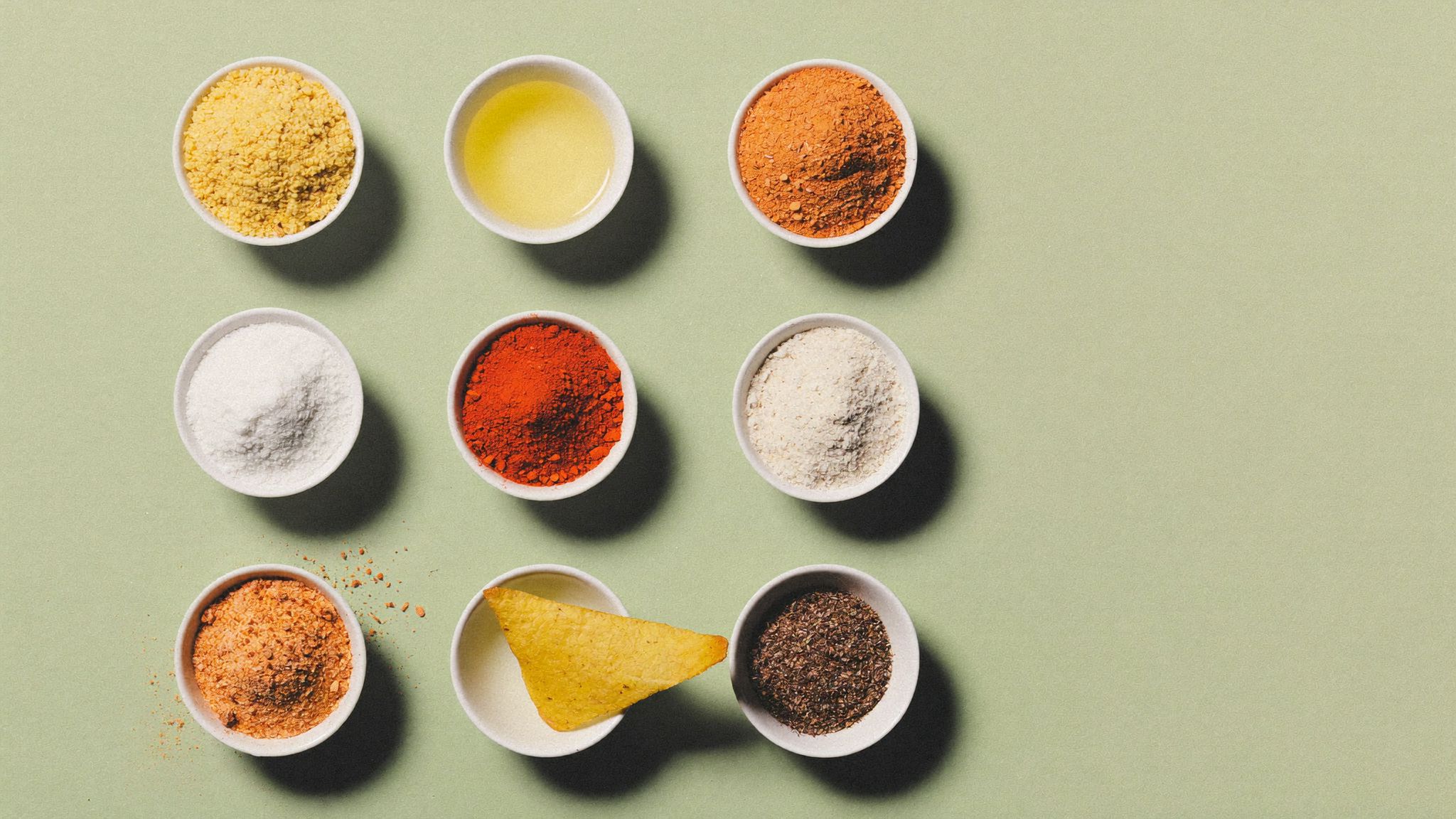
What Are Doritos Actually Made Of? Ingredient-by-Ingredient Breakdown for Curious Readers
Most people glance at a Doritos bag and move on. That's a missed opportunity, whether you're a curious consumer or a CPG formulator trying to understand how one of the best-selling snack brands in the world actually builds its flavor profile. This breakdown goes line by line through the Nacho Cheese variety, the original and still dominant SKU, and explains what each ingredient is actually doing.

Fruit Fiber Rankings: Which Fruits Actually Deliver the Most Dietary Fiber Per Serving
Quick Answer: Most fruits marketed as "high-fiber" deliver between 1 and 4 grams per standard serving. A small group, avocado, guava, passion fruit, raspberries, and blackberries, consistently hits 4 to 9 grams per serving. Those are the only fruits worth anchoring a fiber claim around. Everything else is background noise.

Sex Coffee: What Is It, What's in It, and What Formulators Can Learn From the Trend
Sex coffee is having a moment. The name is provocative by design, but the formulation logic behind it is worth taking seriously, especially if you're an R&D lead tracking functional beverage trends and trying to separate signal from noise.
Showing 12 of 77
Journey AI
Build with Journey.
Save time and money on formulation, sourcing, and the supplier decisions that used to take weeks.
Book a demo