
Field notes on consumption intelligence
Formulation, ingredients, labeling, and supply chain, written for the teams turning an idea on screen into a product on shelf.
- Articles
- 308
- Topics
- 12
- Writers
- 16
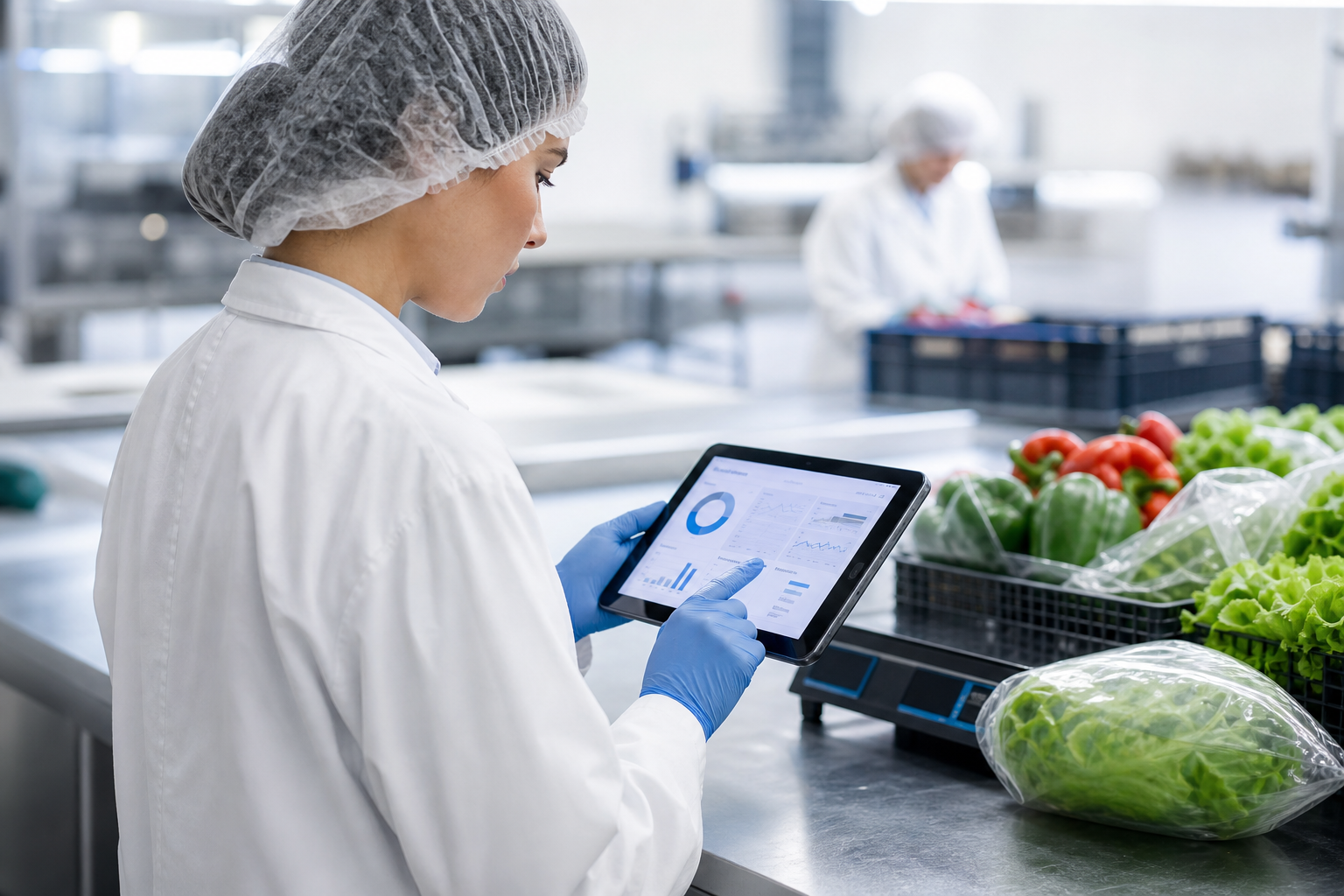
Food Safety Compliance Software: A Plain-Language Primer


Data Centers With a Conscience: How an AI Company Should Be Held Accountable (Starting With Us)
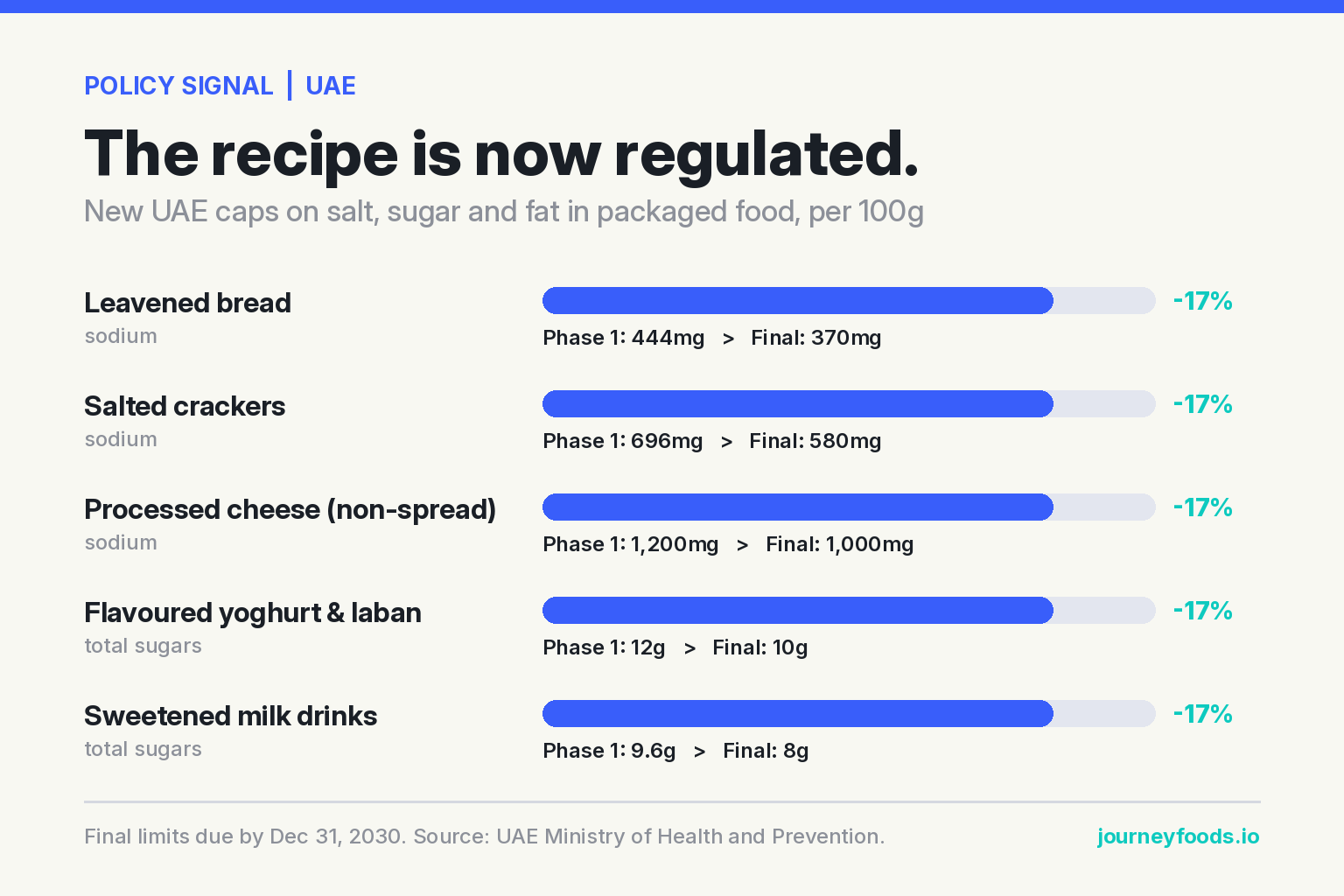
UAE Sets Salt, Sugar and Fat Limits for Packaged Food: What CPG Brands Should Do Now
Find your way in
Start with what's popular, or jump straight to a topic.
Trending
 News
NewsBuilding a Food Future Worth Tasting at NYC Climate Week
2 min read12.7Kviews Ingredients
Ingredient Insights: The Rise of Sugar Replacement Ingredients
2 min read12.7Kviews Insights
Globalization of Flavors Through Culture: Looking Back at AAPI Month
3 min read9.1Kviews Insights
Bladderwrack: The Superfood of the Sea
2 min read7.3Kviews Recipes
Cooking at Home vs. Eating Out. What’s Better?
6 min read6.3Kviews
Company updates
- News
 5 min read
Journey Foods and Snowflake: enterprise ingredient intelligence, now on the AI Data Cloud
- News
 5 min read
Journey Foods and MongoDB Atlas: bring your own database, connect in minutes
- News
 6 min read
How Journey Foods Works With Kroger: What a Retail Partnership Means for Ingredient Sourcing and Private-Label Innovation
- News
 5 min read
Journey AI by Journey Foods ranks No. 1,610 on the 2026 Inc. 5000
The full archive
Search, filter by topic, or sort by newest or most views
 Industry Insights
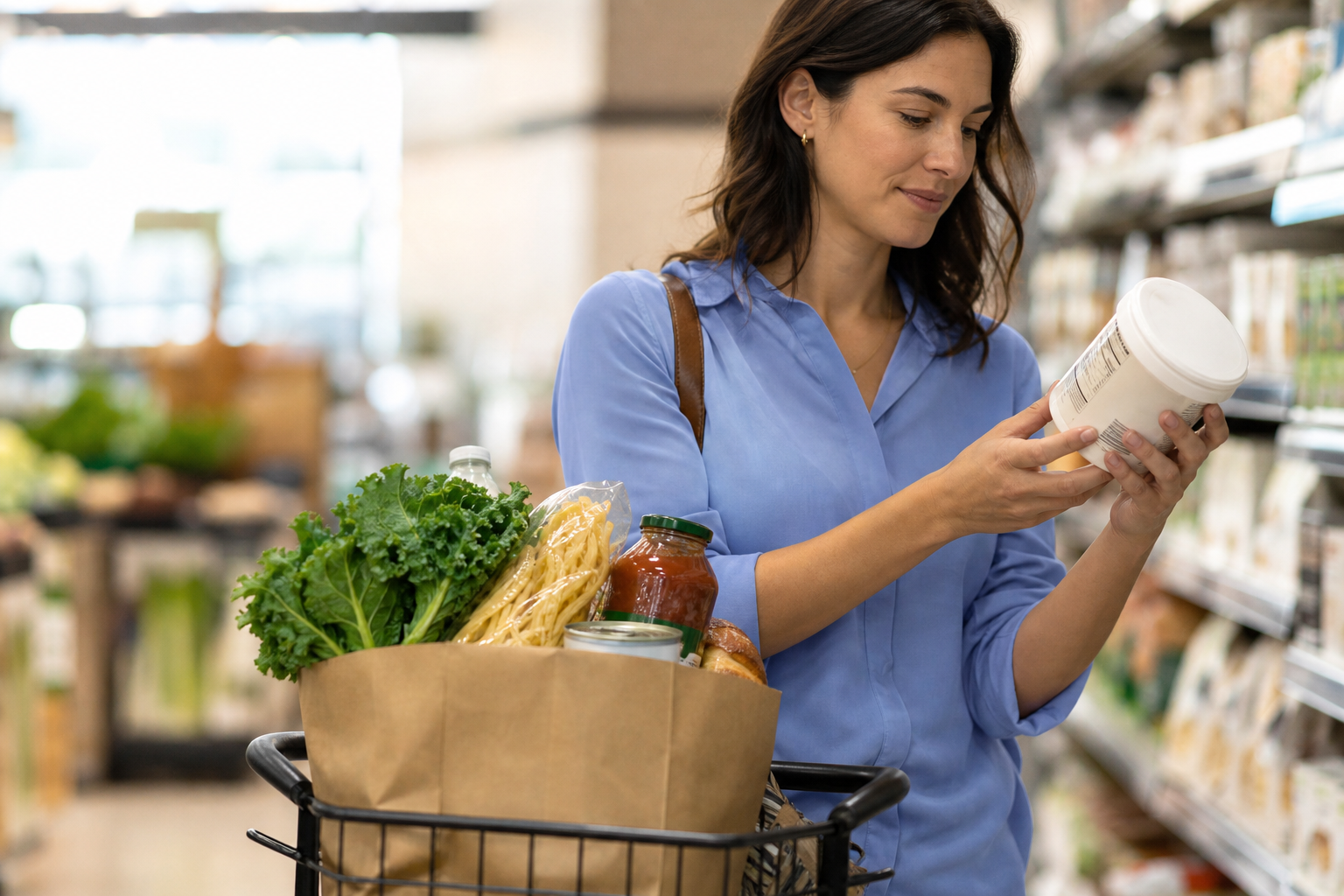
California's New 'Non-Ultraprocessed Certified' Label (AB 2244): What It Means for CPG Reformulation, Ingredient Sourcing, and Supplier Risk
Quick Answer: California's AB 2244, signed into law on September 28, 2026, creates the nation's first government-backed voluntary "Non-Ultraprocessed Certified" seal. Certification agents can begin certifying products no later than June 1, 2028. For CPG R&D and procurement teams, the clock is already running. Key Takeaways: - The retailer shelf-placement requirement is a commercial incentive, not just a compliance checkbox. Retailers with over $10 million in annual gross sales carrying more than 25 certified products must prominently display at least 3 of them, endcap, checkout aisle, or entrance. - CDPH hasn't published the UPF definition yet. That means the window to understand your exposure, identify flagged ingredients, and evaluate supplier alternatives is now, before the rules are finalized. - This is a formulation data problem as much as a regulatory one. Teams that can map their current SKUs against likely UPF criteria before 2028 will have a meaningful head start on reformulation.
 Industry Insights
The Old CPG Growth Playbook Is Broken: What McKinsey's Private Label Report Means for R&D and Sourcing Teams
You know the playbook. Scale distribution. Increase ad spend. Ship an incremental line extension. Repeat.
 Industry Insights
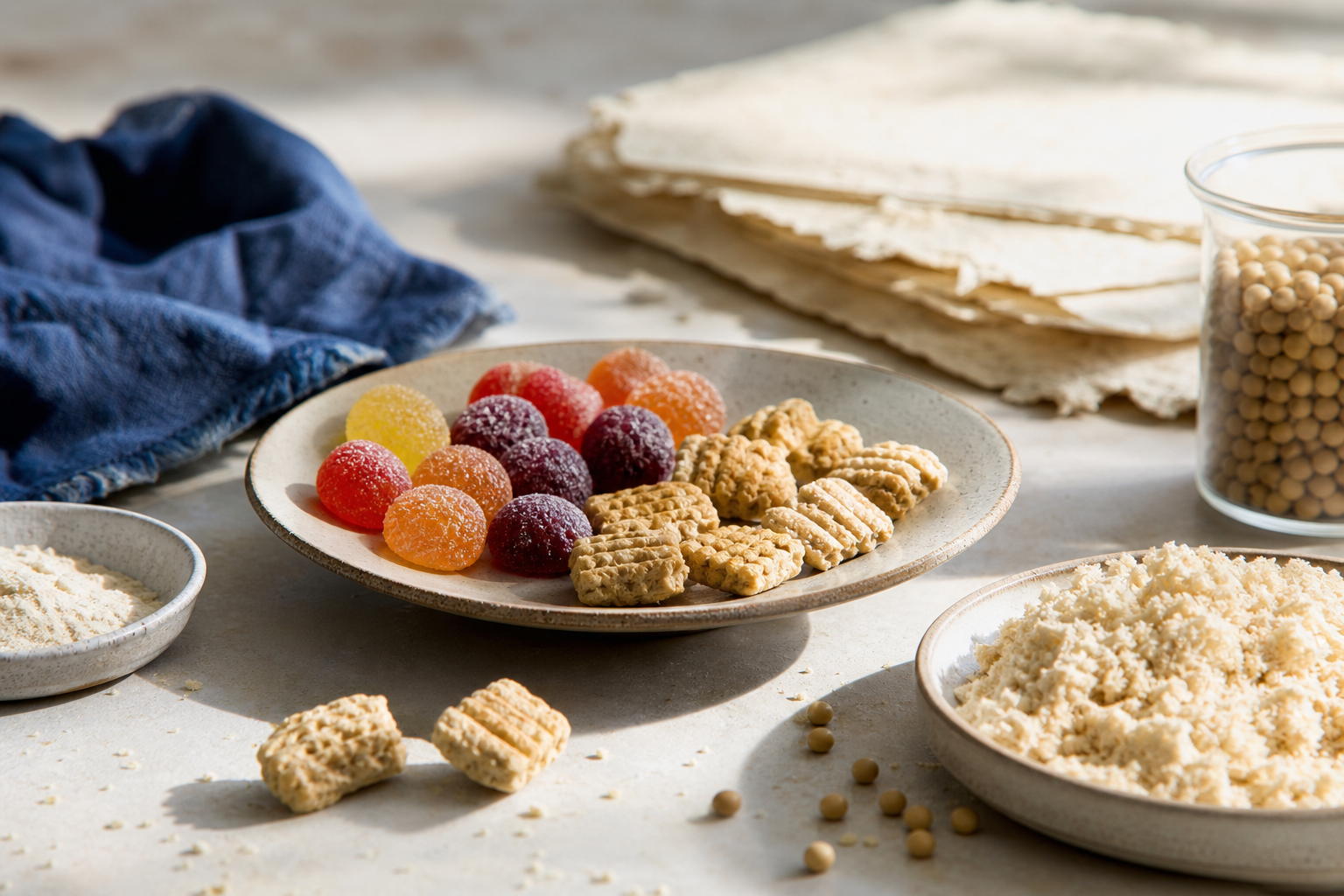
Rotten Candy, Upcycled Pulp, and the End of the Pastel Aisle: What Okara Can Learn From Candy's Taste-First Playbook
You've seen the pastel aisle. Soft sage green. Muted cream. A sans-serif font that whispers "wellness." Somewhere in the ingredient list, buried between oat fiber and sunflower lecithin, is the upcycled byproduct that was supposed to be the whole point.
 Industry Insights
Journey Foods API: What Developers and Technical Teams Can Build With Ingredient Data
Food ingredient data is messy, fragmented, and expensive to maintain. If you've tried to build anything meaningful on top of it, a nutrition calculator, a formulation tool, a supp
 Industry Insights
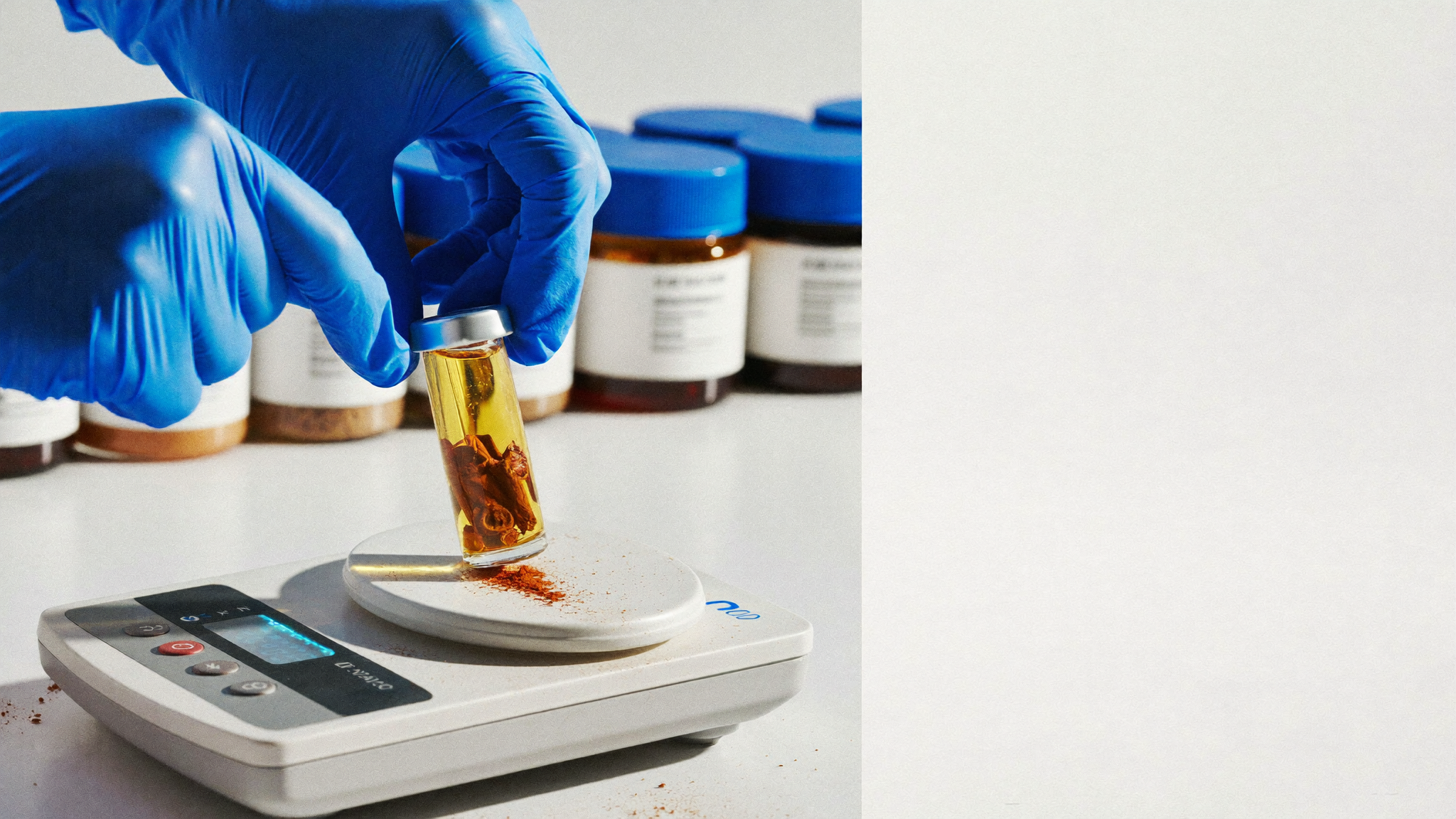
How to Build an Internal Ingredient Database Your Whole R&D Team Will Actually Use
Most ingredient databases at CPG companies aren't really databases. They're a folder on a shared drive, a spreadsheet someone built in 2021, and three versions of the same spec sheet living in three different inboxes. Your R&D team is managing ingredient data for a serious operation, and the infrastructure underneath that work is held together with email threads and good intentions.
 Industry Insights
Journey Foods × Snowflake: Enterprise Ingredient Intelligence, Now Available on the AI Data Cloud
Quick Answer: Journey Foods now offers a Snowflake connector provisioned for enterprise accounts, letting CPG data and R&D teams pipe ingredient scoring data, nutrition, cost, sustainability, directly into their existing Snowflake environment alongside POS, supply chain, and forecasting data. This is not a self-serve integration. It is set up with the Journey Foods team for enterprise customers.
Industry InsightsJourney Foods × MongoDB Atlas: Bring Your Own Database, Connect in Minutes, a self-serve integration announcement for developers connecting Journey Foods to their own MongoDB Atlas deployment
If your team already runs MongoDB Atlas, you can now connect it to Journey Foods without a sales call, a provisioning ticket, or a three-week email chain. You authenticate, you configure, you sync. That's the whole story, but the context behind it matters.
Industry InsightsHow Journey Foods Works With Kroger: What a Retail Partnership Means for Ingredient Sourcing and Private-Label Innovation
Kroger is not a small bet. The retailer runs more than 2,700 stores and has built one of the most aggressive private-label programs in U.S. grocery, Simple Truth, Private Selection, and a growing portfolio that generates billions annually. When a retailer at that scale commits to expanding its own-brand lineup, the pressure lands directly on the ingredient sourcing and formulation teams behind those products.

 Industry Insights
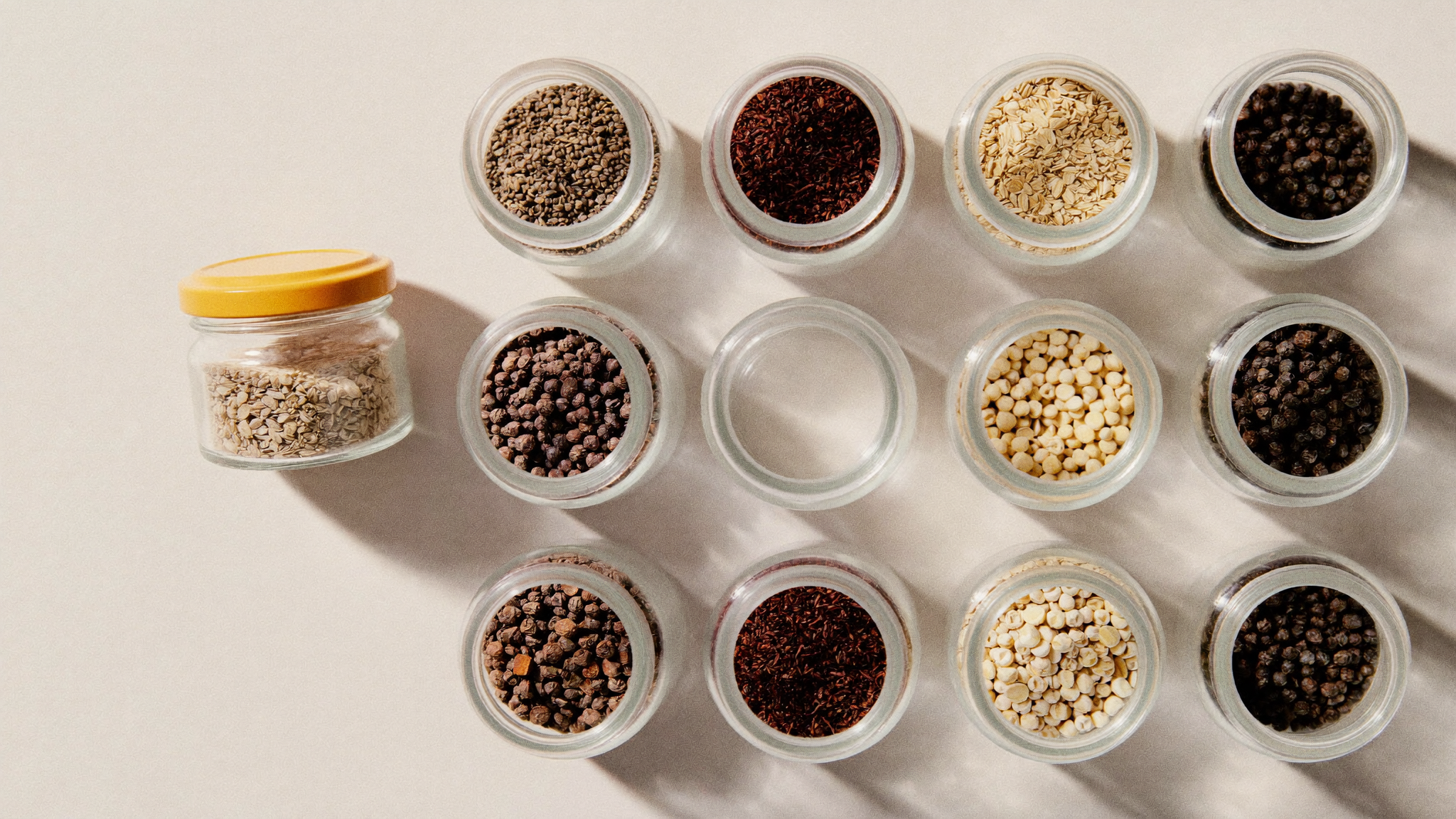
Why Is Food Supply Chain Management Important? A Plain Answer for CPG Teams
Food supply chain management determines whether your product reaches the shelf on time, at the right cost, and with the ingredients you actually specified. That's the plain answer. But if you're an R&D director or procurement lead at a mid-market CPG brand, the stakes are higher than that. A single sourcing failure can delay a launch by months, spike your cost-per-formulation, or force a last-minute reformulation that nobody on the team has documented properly.
 Industry Insights
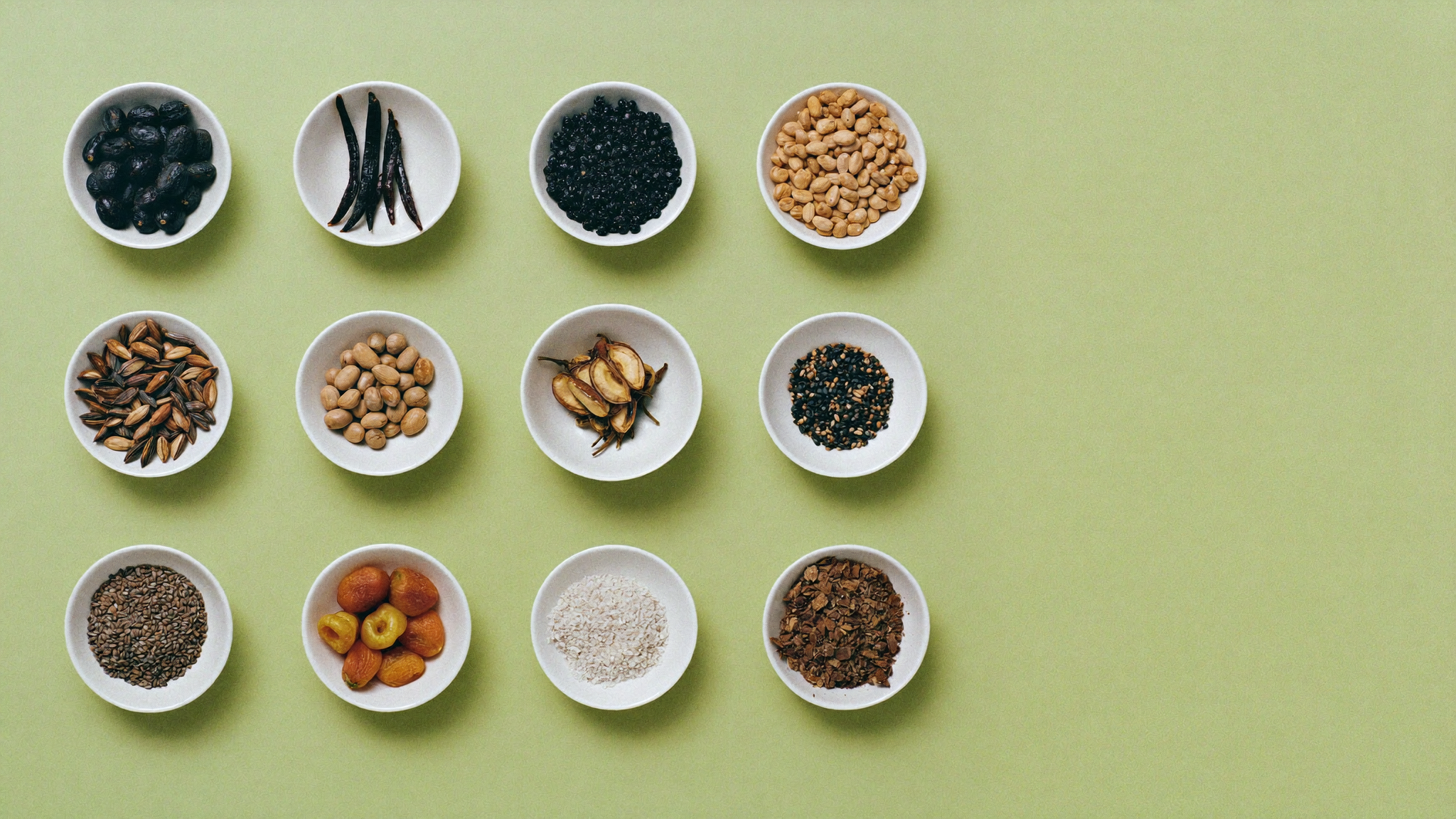
Why Multi-Team Collaboration Breaks Down Across Formulation and Supply Chain, and How to Fix It
Quick Answer: Cross-functional collaboration in food product development fails most often at the R&D-to-procurement handoff, where cost and sourcing data arrive too late to influence formulation decisions. Teams working from siloed spreadsheets and disconnected systems lose weeks to version confusion, slow supplier substitution, and approval bottlenecks, problems a centralized ingredient intelligence platform resolves at the source.

 Industry Insights
Top Food Product Development Software for Formulators in 2026
Picking the right food product development software is harder than it should be. The category spans enterprise PLM suites built for compliance teams, nutrition calculators designed for label sign-off, and AI-powered ingredient intelligence platforms built for R&D speed. They are not interchangeable. Buying the wrong one costs you months.

 Industry Insights
7 Signs Your CPG R&D Team Has Outgrown Spreadsheets for Ingredient Management
You already know spreadsheets weren't built for this. The CPG R&D spreadsheet problems your team is living with, version conflicts, broken cost models, supplier data scattered across inboxes, aren't signs of a process failure. They're signs of a scale failure. The tool stopped fitting the work somewhere around your fifth active formulation.
Showing 12 of 126
Journey AI
Build with Journey.
Save time and money on formulation, sourcing, and the supplier decisions that used to take weeks.
Book a demo