FDA's Cadmium Limits for Baby Food, Pricier Wheat and a Nutrition Spinoff: What CPG Teams Should Do

Quick answer
FDA proposed cadmium limits for baby food while wheat, rice and freight costs climbed. What the week of Oct 19 means for ingredient and supplier decisions.
Run it through Journey.Sign upBook a demo
Quick answer: The week of Oct 19 moved two problems onto the same desk. FDA proposed cadmium limits for baby food and asked manufacturers to control chemical hazards through their ingredient suppliers. In the same week, wheat, rice and freight got more expensive. Both land on the ingredient sheet. Teams that know where each ingredient comes from, and what it costs per unit, will handle both faster.
1. FDA proposes cadmium limits for baby food
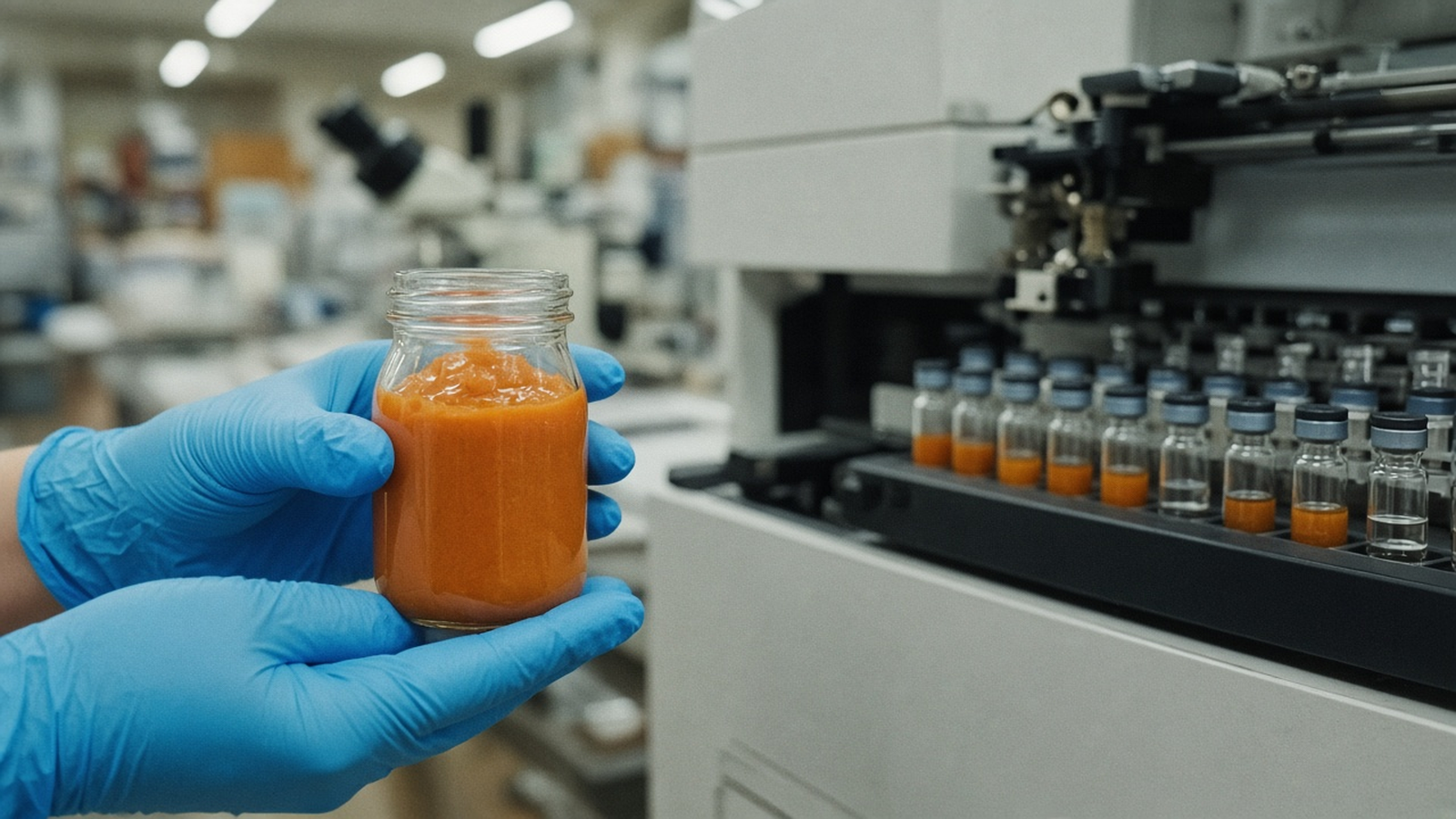
On Oct 22, FDA proposed action levels for cadmium in processed food for babies and young children under 2. Per the Federal Register notice, the levels are:
- 10 parts per billion (ppb) for fruits, vegetables (except single-ingredient carrots) and mixtures
- 25 ppb for single-ingredient carrots and single-ingredient meats
- 45 ppb for dry infant cereals
- 20 ppb for yogurts, puddings and custards
Comments are due Dec 22, 2026. The draft guidance is not binding, but FDA says these are levels at which it may regard a food as adulterated. Grain-based and freeze-dried snacks are not covered yet, and FDA says it is still collecting data on them.
FDA also released a draft chapter on chemical hazards for its preventive controls guidance, which covers supply-chain controls for ingredients. Comments on that are due Jan 21, 2027.
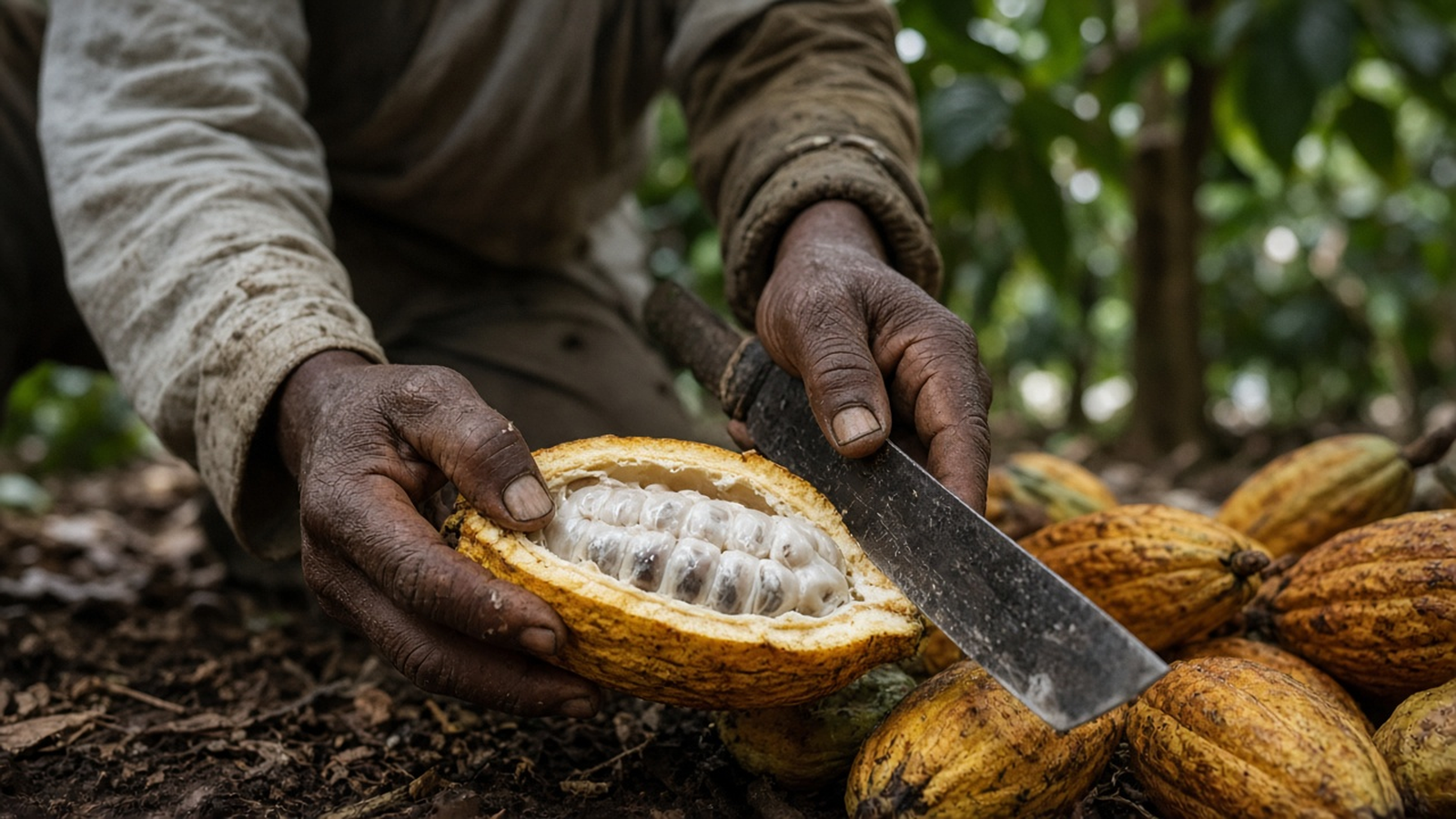
Why it matters for CPG teams: Cadmium comes from soil, so the fix starts with the crop, the origin and the supplier, not the finished jar. Brands selling to parents should know which ingredients and origins carry the most exposure before a test result tells them.
Journey Ingredient Intelligence
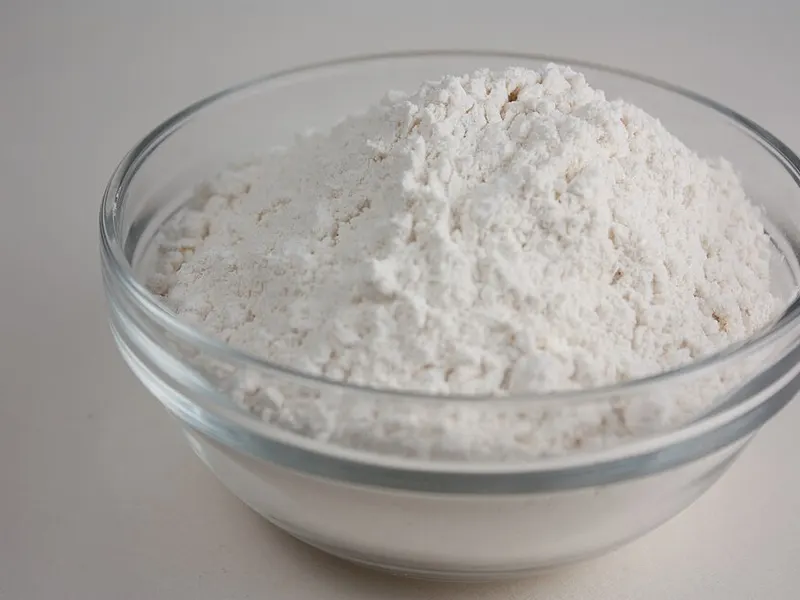
Wheat flour
In the same week, wheat, rice and freight got more expensive.
Wheat flour: 364 kcal and 10.3 g protein per 100 g; top producer China (17.5%, 2024); 1.57 kg CO2e per kg.
2. Food inflation is turning into a supply problem
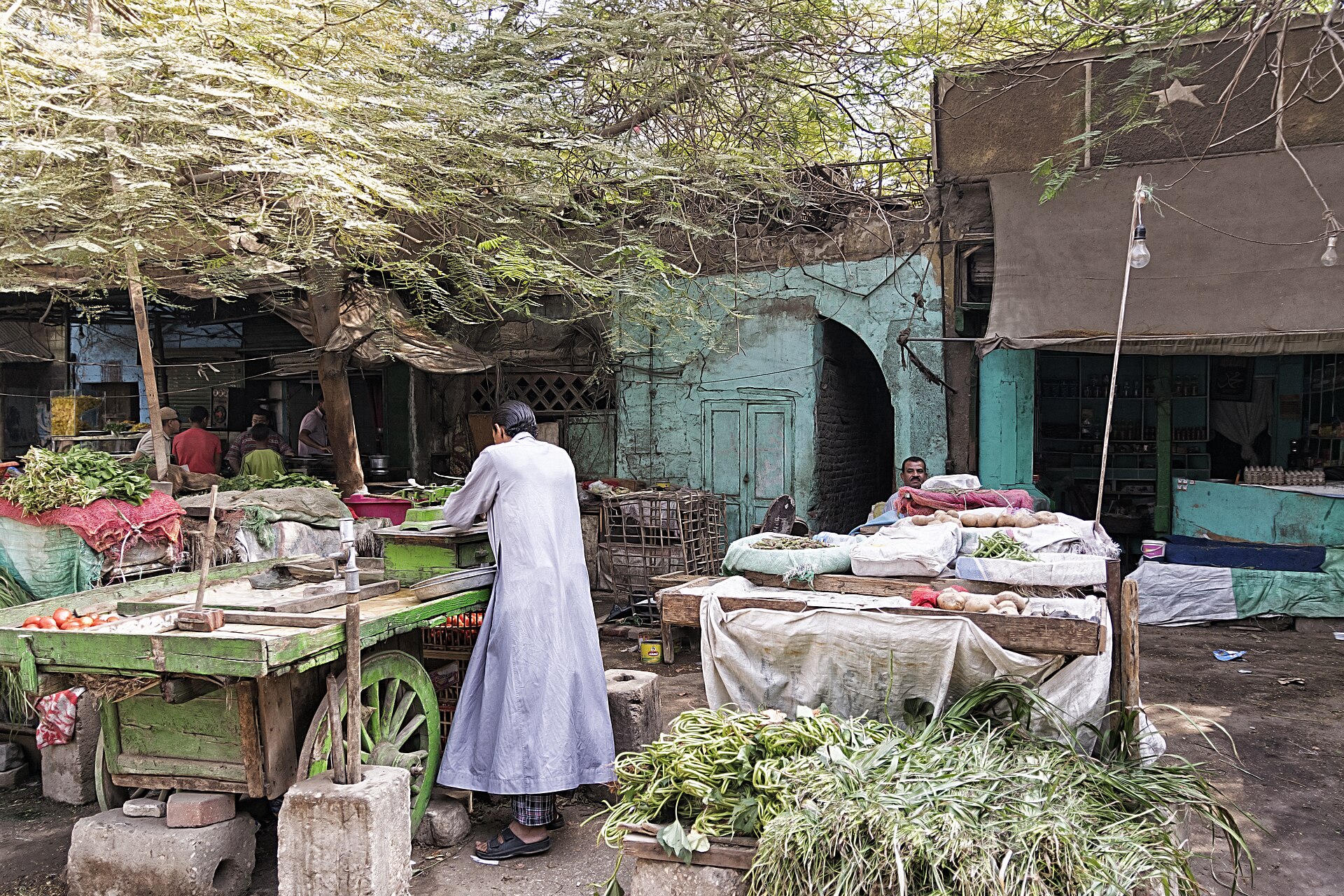
Reuters reported on Oct 19 that global food inflation is expected to accelerate and last well into 2027. Wheat prices are up more than 30% in 2026. Rice prices in key Asian exporting countries are up 10% to 13%. Freight rates have risen about 50% on some routes, such as the Black Sea to Southeast Asia. Processors renewing three- to six-month contracts are paying more, and some are struggling to secure supply at all.
Why it matters for CPG teams: When price and availability both move, a second source is worth more than a better quote. Map which products lean on wheat, rice and long shipping lanes, and price an alternate before renewal season.
3. Abbott will spin off its Nutrition business
On Oct 21, Abbott announced plans to separate its Nutrition business, home to Similac, PediaSure, Pedialyte, Glucerna and Ensure, into an independent public company by the end of 2027. The new company would have about $8.5 billion in annual sales, about 16,000 employees and 14 manufacturing sites. Fierce Biotech noted the move follows years of legal battles, manufacturing problems and a lost government contract.
Why it matters for CPG teams: A separation this size means specifications, supplier records and regulatory files get split and rebuilt. Suppliers to the business should expect requalification requests and should have their documentation ready.
4. Silgan moves to buy Trivium
Journey Ingredient Intelligence
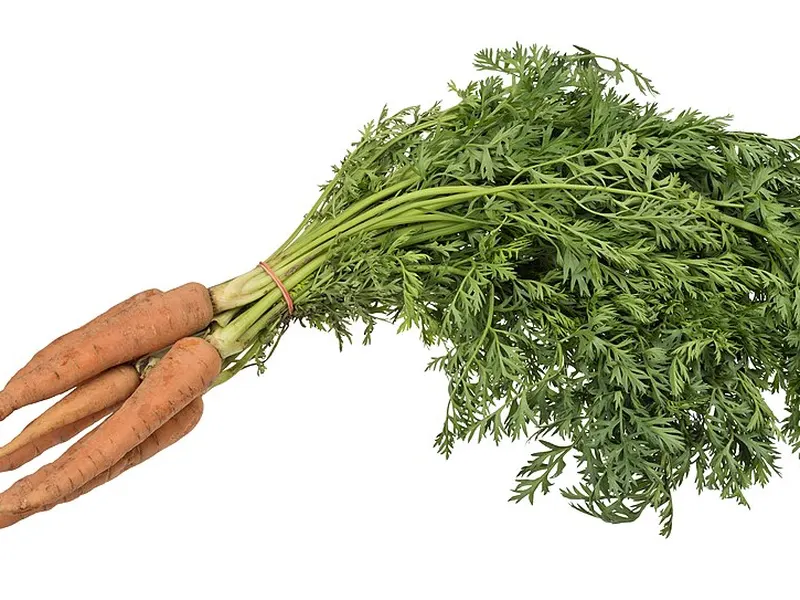
Carrots
Per the Federal Register notice , the levels are: 10 parts per billion (ppb) for fruits, vegetables (except single-ingredient carrots) and mixtures 25 ppb for single-i…
Carrots: 41 kcal and 0.9 g protein per 100 g; top producer China (42.2%, 2024); 0.43 kg CO2e per kg.
On Oct 19, Silgan announced a deal, in partnership with American Industrial Partners, to acquire Trivium at an enterprise value of about $3.4 billion and combine it with Silgan's metal container and food and beverage closure businesses. Silgan expects $225 million in synergies by the end of year three, with closing expected in mid-2027 pending approvals.
Why it matters for CPG teams: Packaging is part of the recipe. Can format, lining and closure choices shape shelf life and processing. Fewer, larger suppliers can mean steadier supply or less negotiating room. Check how many of your canned SKUs depend on a single packaging source.
5. A price tag on a possible UPF label
A University of Chicago-affiliated analysis, reported by FoodNavigator-USA, estimated that a hypothetical mandatory ultra-processed food label could cost $14.2 billion a year, including $9.5 billion to change recipes. Using a broad definition published in May 2026 by Healthy Eating Research, it found 72.3% of nearly 450,000 packaged products would qualify. FDA's own definition has not been published, and no label has been adopted. This is a scenario, not a rule.
Why it matters for CPG teams: Under a broad definition, flavors, colors, emulsifiers and texturizers could all become triggers. Know which ingredient in each product would trip a label, and why it is there.
6. Growth is coming from volume again
Nestlé reported 4.0% organic growth for the third quarter, with 2.8% real internal growth and only 1.1% pricing. Food and Snacks grew 5.0%. Nutrition grew 0.3%.
Journey Ingredient Intelligence
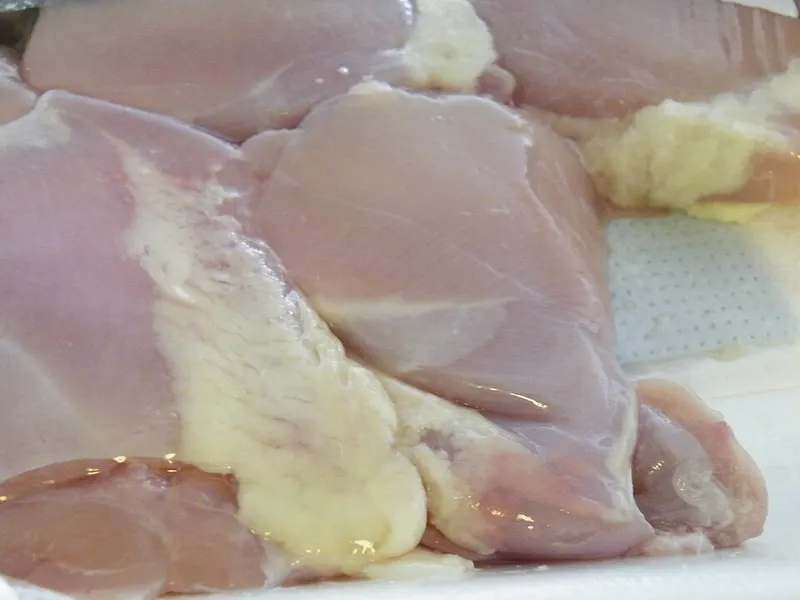
Chicken
On the snack shelf, S2G invested $40 million in WILDE , whose chicken-based protein chips have passed $100 million in sales.
Chicken: 119 kcal and 21.4 g protein per 100 g; top producer United States (15.7%, 2024); 9.87 kg CO2e per kg.
Why it matters for CPG teams: After years of price-led growth, units matter again. That puts pressure on recipe updates and better products, not list prices. On the snack shelf, S2G invested $40 million in WILDE, whose chicken-based protein chips have passed $100 million in sales. Protein is winning as a format, not just as an added isolate.
What we'd do this quarter
- Tag every baby and kids ingredient by origin and supplier. That is where cadmium exposure starts.
- Price a second source for wheat and rice derivatives before your next contract renewal.
- Check single-source packaging on canned and closed products.
- Flag the ingredients that would trip a broad UPF definition, and write down their function.
Our Risk Assessment Report and The Price of Composition show how much of a product's risk and price is decided inside the formula. For last month's look at ingredient rules, read Lab-Made Butter and GRAS Reform.
Run it through Journey.
Journey puts ingredient, supplier and cost data in one workspace. Search any ingredient or supplier, see cost, nutrition and claims side by side, and compare alternatives with the data behind them, checked by our scientists. Bring one formula or one ingredient question to a working session. Book a demo.
Journey Ingredient Intelligence
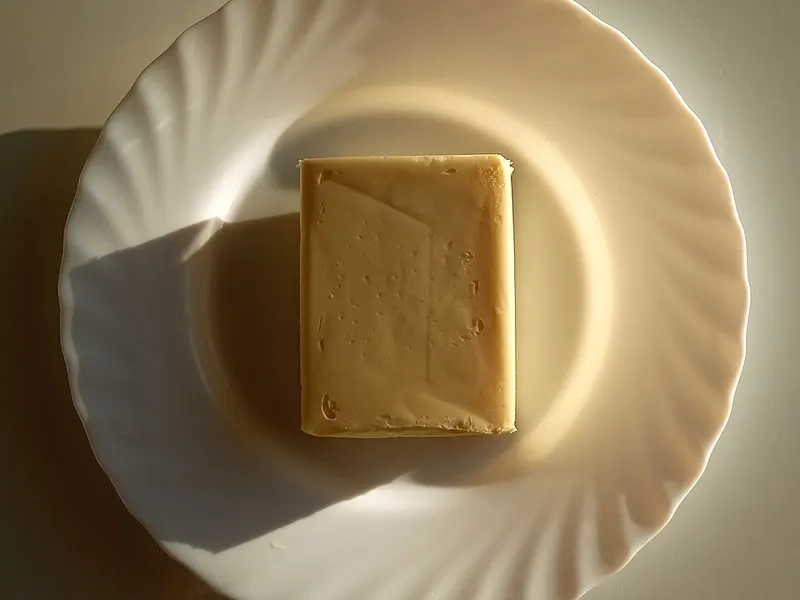
Butter
For last month's look at ingredient rules, read Lab-Made Butter and GRAS Reform .
Butter: 717 kcal and 0.9 g protein per 100 g; top producer United States (16%, 2023); 7.94 kg CO2e per kg.
As published
30%
Supplier highlight
1000 Springs Mill
Lists Brown Beans, Butterfly Popcorn, White Wheat Flour, Flint Corn, Blue on the market graph.
View 1000 Springs Mill dataJourney Ingredient Intelligence · Comparison
Wheat flour
Carrots
Data from this story
Shareable Journey Intelligence
FDA's Cadmium Limits for Baby Food, Pricier Wheat and a Nutrition Spinoff: What CPG Teams Should Do
Industry Insights
30%
Wheat prices are up more than 30% in 2026.
10%
Rice prices in key Asian exporting countries are up 10% to 13%.