
Field notes on consumption intelligence
Formulation, ingredients, labeling, and supply chain, written for the teams turning an idea on screen into a product on shelf.
- Articles
- 322
- Topics
- 11
- Writers
- 16
Food and Beverage Software: A Complete Buyer's Guide


How Nutrient Analysis Programs Work and What to Look For

The Pie: Cocoa Came Down. Candy Didn't.
Find your way in
Start with what's popular, or jump straight to a topic.
Trending
 Insights
Journey Foods' 2027 Food Trends: What We Are Watching Next
6 min read1Mviews Recipes
Cooking at Home vs. Eating Out. What’s Better?
6 min read900.7Kviews Ingredients
The Evolution of Food: How Modern Ingredients Compare to the Past
2 min read624Kviews Ingredients
Are Doritos Bad for You? What the Ingredient List Tells CPG Formulators About Snack Design
7 min read546Kviews Supply
Cooking at Home vs Eating Out: The Real Cost Breakdown in 2026
7 min read503.4Kviews
Company updates
- News
 2 min read
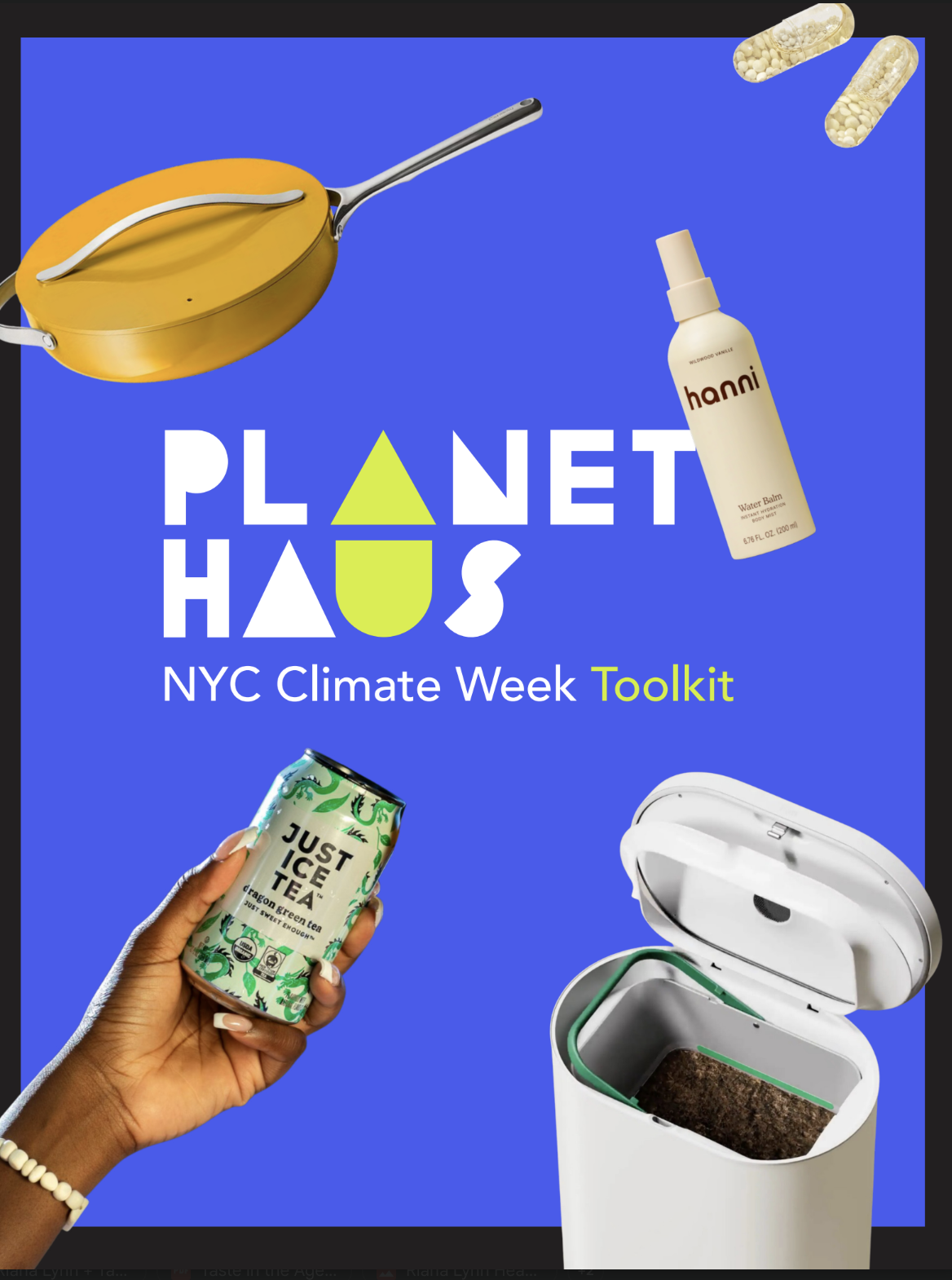
Building a Food Future Worth Tasting at NYC Climate Week
- News
 5 min read
Journey Foods and Snowflake: enterprise ingredient intelligence, now on the AI Data Cloud
- News
 5 min read
Journey Foods and MongoDB Atlas: bring your own database, connect in minutes
- News
 6 min read
How Journey Foods Works With Kroger: What a Retail Partnership Means for Ingredient Sourcing and Private-Label Innovation
The full archive
Search, filter by topic, or sort by newest or most views

Food Sustainability Metrics: What CPG Brands Are Actually Measuring in 2026
Sustainability reporting used to be voluntary. In 2026, it's a procurement requirement, a retailer condition, and increasingly a regulatory obligation. If you're in R&D or product development at a CPG brand, you're not just being asked to build sustainable products, you're being asked to prove it, with numbers, at the ingredient level.
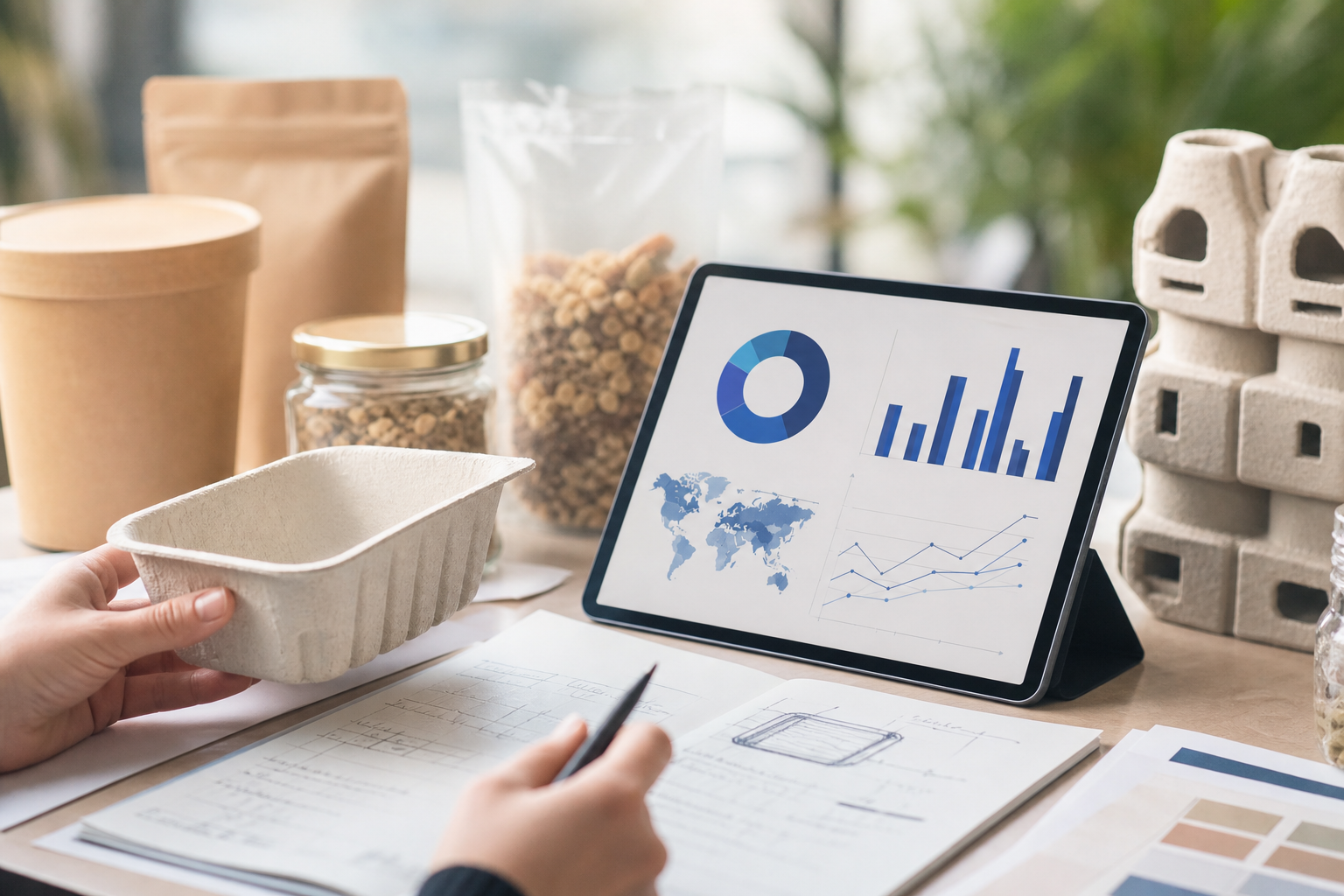
Food Packaging Sustainability Metrics for CPG Teams 2026
Quick Answer: Food packaging sustainability in 2026 means tracking specific, measurable metrics across material composition, carbon footprint, recyclability, and end-of-life outcomes. This guide covers the metrics CPG teams are actually using, what each one measures, and how to connect packaging decisions to your broader product development workflow. Key Takeaways: - Material-level data is the starting point. Without component-level visibility into what your packaging is made of, downstream metrics like recyclability rates and carbon footprint are estimates at best. - Scope 3 emissions now include packaging. R&D and procurement teams that treat packaging as separate from ingredient sustainability are leaving a real gap in their reporting. - Packaging decisions happen during formulation, not after. Teams that evaluate packaging sustainability alongside ingredient choices avoid costly late-stage redesigns.
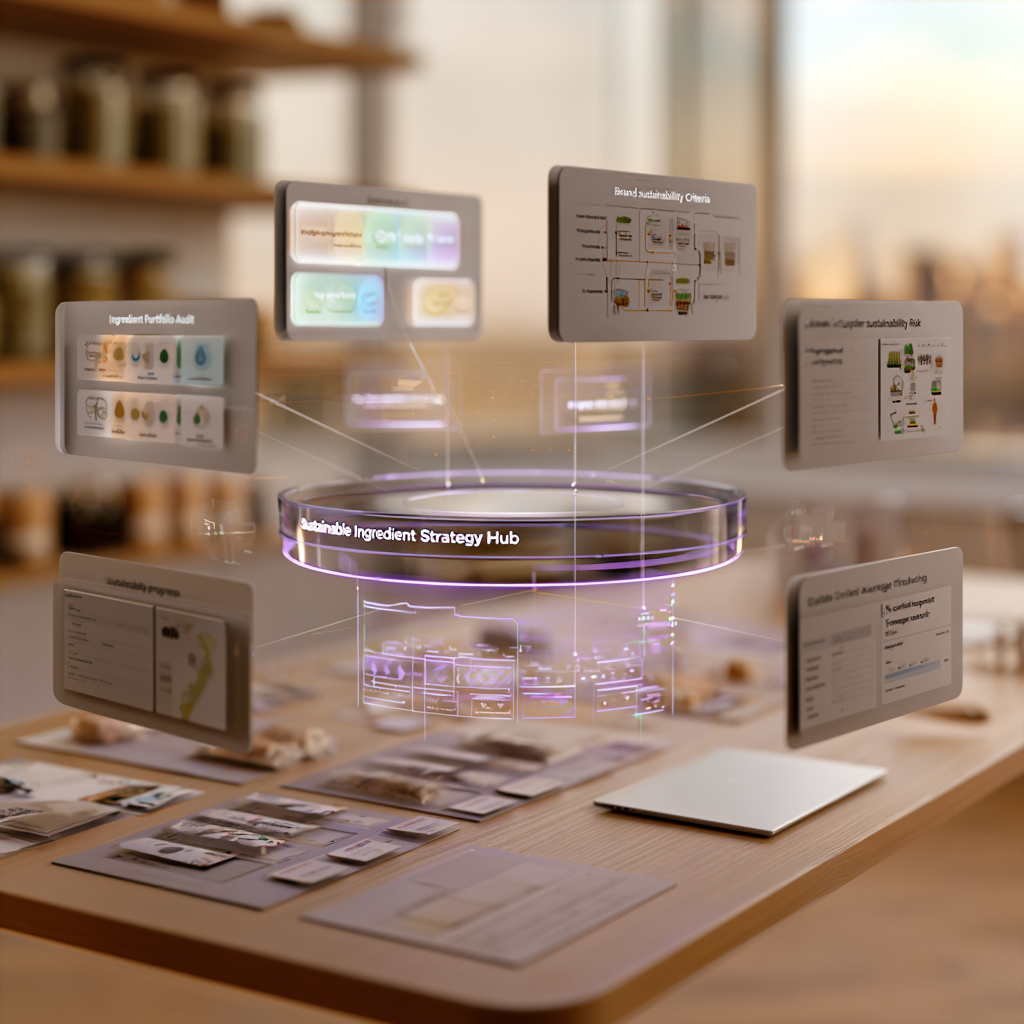
How to Build a Sustainable Ingredient Strategy: A Framework for CPG Teams in 2026
We're at an inflection point in how CPG companies think about ingredients. Sustainability used to be a marketing layer, a "clean-label" callout on the front of pack, a paragraph in the annual report. In 2026, it's a supply chain discipline. And the teams that treat it that way are outperforming the ones that don't.
Showing 3 of 3
Journey AI
Build with Journey.
Save time and money on formulation, sourcing, and the supplier decisions that used to take weeks.
Book a demo